

Quick Answer: Anosognosia is an impaired ability to recognize that you have an illness. In schizophrenia, it can mean that someone genuinely doesn’t recognize hallucinations, paranoia, changes in behavior, or other symptoms as signs of a mental health condition, even when those changes are clear to the people around them.
You may see someone you love losing sleep, withdrawing from work, hearing voices, becoming increasingly suspicious, or struggling to function, while they insist that nothing is wrong and that treatment is unnecessary.
Understanding why this happens can change how you approach those conversations and help you focus on what may make care more possible.
What Is Anosognosia in Schizophrenia?
Anosognosia describes impaired awareness of an illness or its effects. With anosognosia in schizophrenia, a person may not recognize that they have schizophrenia, may notice certain problems without connecting them to the condition, or may understand their diagnosis at one point and reject it at another.
Insight problems are very common in schizophrenia. As many as 98% of people with schizophrenia may experience anosognosia. Conservative estimates indicate that the number is closer to 50% to 60%.
Why Can’t Someone With Schizophrenia See That They’re Ill?
A lack of insight in schizophrenia can affect the person’s ability to step outside their own experience and recognize that what feels real to them may be a symptom. If someone firmly believes that other people are following them, for example, being told that the belief is caused by schizophrenia may sound completely wrong from their point of view.
This is more complicated than someone simply refusing to listen. Research describes insight in schizophrenia as involving several processes, including awareness of illness, interpretation of symptoms, cognition, and the ability to evaluate one’s own experiences. That’s why a person may understand that they have been sleeping poorly or arguing with family while still rejecting the idea that paranoia or voices are connected to a psychiatric condition.
Why Can Lack of Insight Make Treatment Harder?
If someone doesn’t believe they are ill, treatment may not seem necessary. Medication can appear pointless, psychiatric appointments may feel intrusive, and family members who encourage care may be seen as misunderstanding the situation or taking someone else’s side.
Poor insight is associated with difficulties staying engaged in treatment and with other clinical outcomes in schizophrenia, but it shouldn’t be treated as the only reason someone might decline care. Side effects, previous experiences with treatment, fear, mistrust, access barriers, and personal preferences can also affect engagement.
The more urgently you try to prove that something is wrong, the more the person may feel criticized, controlled, or misunderstood, which can make future conversations about treatment even harder.
Is Anosognosia the Same as Denial?
A person in denial may have some awareness of what is happening but struggle to accept something painful or frightening. With anosognosia, the ability to recognize or accurately interpret the illness itself is impaired, which can sometimes look like stubbornness or denial from the outside.
Repeating the evidence doesn’t necessarily create insight. Old hospital paperwork, reminders about previous episodes, or insisting that everyone else agrees something is wrong may still do little to change how the person understands what is happening.
What Can Anosognosia Look Like in Someone With Schizophrenia?
Someone may have very little awareness of their condition, or they may recognize certain changes while explaining others in a way that makes sense within their current beliefs.
For example, you might notice situations like these:
- Voices are explained as something external: Your loved one hears people talking through a wall and is convinced the neighbors are responsible, rather than considering that the voices may be hallucinations.
- Paranoia explains changes in behavior: They stay awake most of the night because they believe they are being watched, then describe the problem as surveillance rather than severe sleep loss or paranoia.
- Medication feels unnecessary: They stop taking prescribed medication because, from their perspective, there is no illness to treat.
- Work problems have another explanation: They recognize that they lost a job or stopped showing up but believe coworkers were conspiring against them.
- Past hospitalization is interpreted differently: They remember being hospitalized but believe relatives or clinicians forced treatment on them for no legitimate reason.
- Some problems are acknowledged: They may agree that they are stressed, exhausted, or having trouble concentrating while rejecting any connection between those problems and schizophrenia.

How Can You Help Someone With Anosognosia?
Learning how to help someone with anosognosia usually starts with communication rather than trying to win an argument about whether they have schizophrenia.
You don’t need to agree with a delusion or pretend that you share the person’s interpretation of events. The goal is to understand enough about what they are experiencing to find something you can work on together.
A few approaches may make conversations more productive:
- Listen before correcting: Ask what has been happening and what is bothering them most before offering your interpretation.
- Respond to the emotion: You can acknowledge that someone feels frightened, exhausted, watched, or overwhelmed without confirming that the feared situation is true.
- Look for common ground: Improving sleep, reducing stress, feeling safer, reducing conflict, getting back to work, or feeling less overwhelmed may be goals you can both agree on.
- Connect care to something they want: A psychiatric evaluation may feel less threatening when it’s presented as a way to address a problem the person already recognizes.
- Preserve choices where possible: Giving someone reasonable options about when, where, or with whom they speak can help reduce the feeling that every decision is being made for them.
What Should Families Avoid?
Some responses can unintentionally make the conversation more adversarial.
Try to avoid:
- Repeatedly arguing about whether a delusion is true
- Making every interaction about medication or diagnosis
- Using threats or ultimatums when there is no immediate safety issue
- Calling the person irrational, paranoid, delusional, or “in denial” during an argument
- Using the word “anosognosia” as another way to prove that the person is wrong

What If Your Loved One Still Refuses Treatment?
Even careful communication may not lead someone with anosognosia to accept treatment, especially during active psychosis. Stay connected, watch for meaningful changes in sleep, functioning, behavior, or safety, and involve an existing treatment team when appropriate.
In California, refusing treatment or lacking insight alone doesn’t automatically mean someone qualifies for involuntary hospitalization. If safety becomes a concern, families can learn more about what a 5150 hold is and when that type of emergency evaluation may apply.
California also offers Assisted Outpatient Treatment (AOT) under Laura’s Law for some people who meet specific criteria. Orange County participates, but AOT is a separate court-involved process from a 5150 hold.
When Does Schizophrenia Require More Immediate Help?
More urgent help may be needed if someone may harm themselves or others, becomes severely disorganized, can’t safely meet basic needs, or is experiencing rapidly worsening psychosis.
- If there is an immediate threat to life or safety, call 911.
- For a mental health crisis, you can also call or text 988.
- For more guidance during an active episode, see what to do if someone is having a psychotic episode.
When someone is in an acute mental health crisis but doesn’t need emergency hospital care, a voluntary crisis setting may be appropriate. At Neurish Wellness, we offer mental health crisis stabilization in Fountain Valley with 24-hour psychiatric nursing, clinical monitoring, therapy, medication management, and discharge planning in a private residential setting.

Can Treatment Improve Insight in Schizophrenia?
Insight can improve, but there is no single treatment that guarantees someone will recognize that they have schizophrenia. Care usually focuses on reducing psychotic symptoms, improving daily functioning, and helping the person stay engaged with treatment.
Progress may be gradual. Someone may begin sleeping more consistently, feeling less frightened by certain experiences, attending appointments, or becoming more open to discussing what has been happening. Family involvement can also support treatment engagement and caregiver wellbeing.
If psychosis, impaired insight, or repeated treatment refusal is making it hard for someone to function safely, a psychiatric evaluation can help determine what level of care is appropriate.
At Neurish Wellness, we provide private, luxury inpatient mental health care for adults who need a higher level of psychiatric support.
Learn more about our mental health treatment services, or contact our admissions team to talk through what your family has been seeing.
FAQs About Anosognosia and Schizophrenia
Does anosognosia mean my loved one is lying or being manipulative?
No. Anosognosia is a real impairment in the ability to recognize the illness, not an attempt to deceive you. It can feel like manipulation when someone insists nothing is wrong, yet from their point of view they are telling you the truth, which is a large part of why arguing the facts so rarely lands.
Is anosognosia only found in schizophrenia?
No. Anosognosia can also occur with bipolar disorder, Alzheimer’s disease, other forms of dementia, stroke, and some neurological conditions. How it presents depends on the condition involved.
Should I tell my loved one they have anosognosia?
You can explain the concept when the person is receptive, but using the label during an argument is unlikely to be helpful. It is usually more useful to focus on what they are experiencing, what is causing distress, and whether there is something they would be willing to get help with.
Is anosognosia caused by medication or by schizophrenia itself?
It is linked to the illness itself, not to treatment. Impaired awareness is often present before a person ever starts medication, and it is one of the reasons someone may stop taking it, since, from where they stand, there is no condition that needs treating.
Can family therapy help when someone has schizophrenia?
Family-based interventions can help relatives understand schizophrenia, improve communication, and respond to difficult situations more consistently. Research has also found benefits for caregiver mental health and some treatment-related outcomes, although results vary depending on the intervention and the outcome being measured.
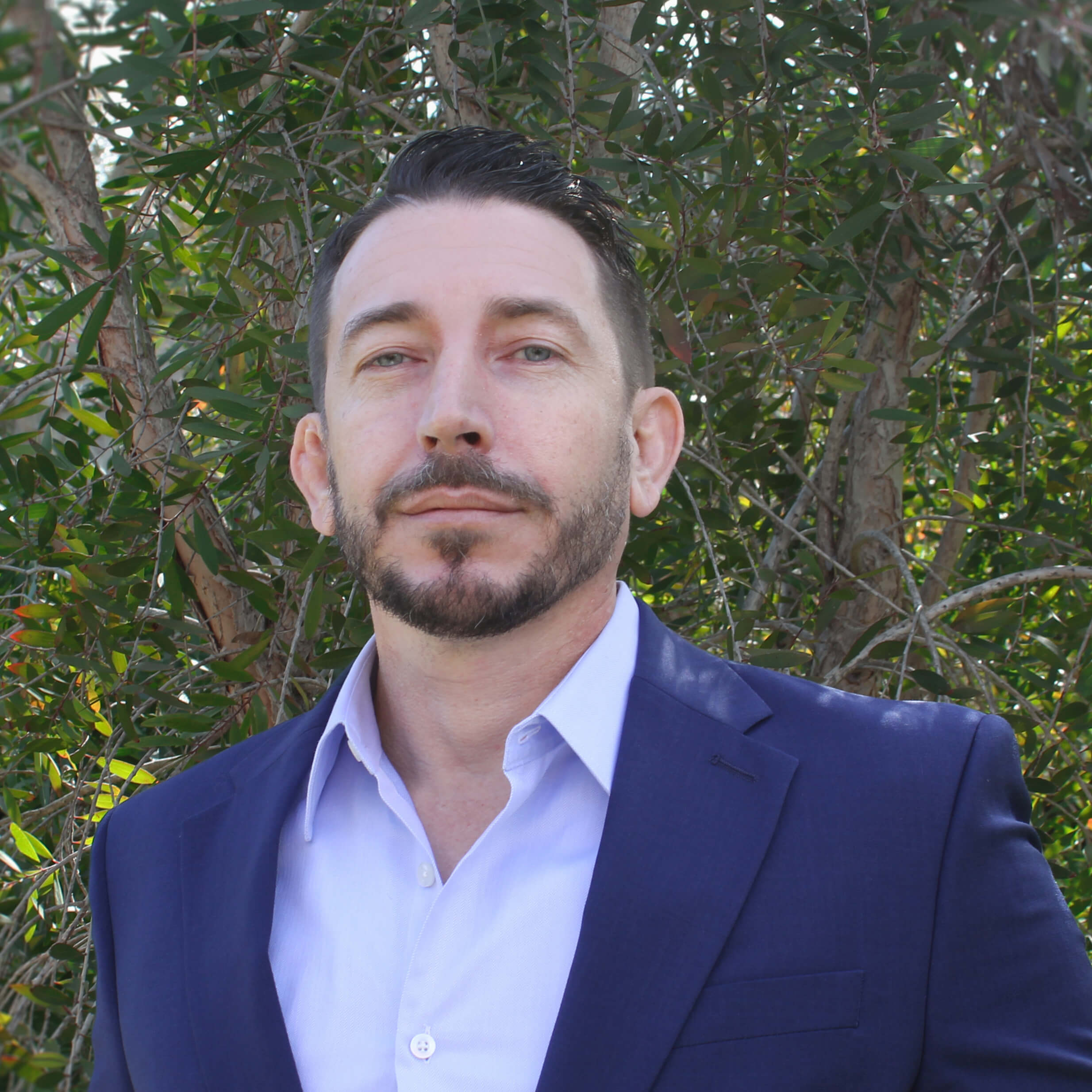
Cole Dyar is the Executive Director & co-founder of Neurish Wellness. He has been working in the behavioral health field in operational, clinical, organizational, and managerial capacities for thirteen years. He holds a degree from the University of California, Santa Cruz in sociology and is a Licensed Advanced Alcohol and Drug Counselor (LAADC) as recognized by CCAPP. Cole holds a Master of Science in Industrial/Organizational Psychology including: Organizational Leadership and Design, a Post-Masters in General Marriage and Family Therapy, and is currently a doctoral candidate in MFT with an emphasis in Systemic Administration & Entrepreneurship.