
Quick Answer: A physician health program can help doctors address mental health or substance use concerns while supporting safe medical practice. Getting treatment doesn’t automatically mean losing your license, but confidentiality, monitoring, and reporting rules vary by state and situation.
For physicians, deciding whether to seek mental health or substance use treatment can come with concerns that go beyond the treatment itself. You may wonder whether getting help could affect your medical license, credentialing, ability to practice, or professional reputation, especially if you’re already dealing with symptoms that are making work harder.
Treatment doesn’t automatically mean giving up your career, and seeking support before a concern affects patient care or your ability to practice may give you more options.
Contact Neurish Wellness to privately discuss which level of care fits your professional and personal needs.
What Is a Physician Health Program?
A physician health program (PHP) is a state-based or state-affiliated resource designed to help physicians and other healthcare professionals address mental health, substance use, behavioral, or other health concerns that could affect their ability to practice safely. PHPs typically focus on assessment, treatment referral, care coordination, and monitoring rather than providing all treatment directly.
Depending on the program and your circumstances, a PHP may help with:
- Clinical evaluation or assessment
- Referral to an appropriate treatment provider
- Recommendations about level of care
- Coordination of continuing care
- Monitoring and follow-up
- Documentation of participation or compliance
If treatment is recommended, the physician may receive care through an outside therapist, psychiatrist, outpatient program, residential treatment center, or another specialized provider. The PHP may then remain involved to monitor progress and help determine whether the physician is meeting the requirements of the program.
Can You Get Mental Health Treatment and Keep Your Medical License?
Getting professional mental health treatment or physician substance abuse treatment doesn’t automatically mean losing your medical license. In recent years, licensing organizations have also moved toward focusing more on whether a condition currently affects safe practice rather than simply whether a physician has ever received treatment.
As of October 2026, the AMA reported that 46 medical licensing boards, more than 1,000 hospitals, and more than 3,300 healthcare facilities had removed intrusive mental health or substance use questions from their applications. That shift can make it easier for physicians to seek care without feeling that treatment alone defines their professional fitness.
The details still depend on your state, licensing board, credentialing organization, and individual circumstances. If patient safety, substance use, controlled substances, reporting duties, or an existing monitoring agreement are involved, different requirements may apply. A PHP or qualified professional familiar with your state’s rules can help you understand what those requirements mean before you make decisions about treatment.
Is a Physician Health Program Confidential?
Confidentiality is an important part of many PHPs, but it shouldn’t be assumed to mean that every aspect of your participation will remain private under every circumstance.
What information a PHP can share, and with whom, depends on the state program, how you entered the program, whether you’re participating voluntarily or under a board or employer requirement, and the terms of any monitoring agreement. In some situations, information may be disclosed to a medical board, employer, credentialing organization, or another party.
Before participating in a PHP, ask specifically what information is confidential, what circumstances could require disclosure, and who may receive information about your evaluation, treatment, or monitoring.
Concerned About What Treatment Could Mean for Your Career?
Neurish Wellness offers private mental health treatment for physicians and understand that questions about confidentiality, licensing, and returning to practice can make getting help feel more complicated.
You can speak with our team about treatment options and what level of care may fit your needs before deciding what comes next.

Do You Have to Join a PHP to Get Treatment?
Not every physician who needs treatment has to participate in a PHP. You can seek private care for depression, anxiety, trauma, burnout, substance use, or another mental health concern without automatically entering a PHP.
However, seeking private treatment doesn’t necessarily eliminate professional obligations that already apply to you. If you are subject to an employer requirement, medical board order, PHP agreement, mandatory reporting rule, or other professional obligation, those requirements may still apply regardless of where you receive treatment.
That’s one reason early treatment can be important. Addressing symptoms before they affect your practice or lead to a complaint or disciplinary action may give you more options for determining the appropriate level of care and protecting your ability to continue practicing.
What Happens If a Physician Health Program Recommends Treatment?
If a physician health program determines that treatment is appropriate, it may recommend an evaluation, treatment provider, or level of care. The physician may then receive treatment through an outside provider while the PHP coordinates with that provider and monitors participation or progress, depending on the terms of the program.
The recommended care can look very different depending on the situation. A physician experiencing depression, anxiety, or trauma may be referred for outpatient therapy and psychiatric care, while a physician with a substance use disorder or more significant impairment may need a higher level of care, such as intensive outpatient or residential treatment.
Monitoring may continue after the initial treatment period, particularly when a physician has entered a formal monitoring agreement. The length and intensity of that monitoring depend on the program and the circumstances.

Can Doctors Keep Practicing During PHP Monitoring?
Some physicians continue practicing while participating in a physician health program, while others step away from clinical work for a period of time. Since there is no single rule for everyone, your situation may depend on:
- Whether your condition currently impairs clinical judgment or performance
- Your specialty and job responsibilities
- The severity of your symptoms
- Whether substances are involved
- Your access to controlled medications
- PHP recommendations
- Employer or credentialing requirements
- Medical board restrictions
The central question is generally whether you can practice safely and meet the requirements of your treatment or monitoring plan. Depending on the circumstances, that may mean continuing to work during outpatient treatment, modifying your duties, taking medical leave, or temporarily stepping away from clinical practice.
How Can Neurish Wellness Support Physicians’ Mental Health Treatment?
We offer private, individualized mental health care designed for doctors navigating the realities of a medical career. Our team understands that seeking care can bring additional concerns about privacy, professional responsibilities, time away from practice, and what returning to medicine may look like.
Care may include residential treatment, outpatient services, virtual treatment, psychiatry and medication management, individual therapy, trauma treatment, and support for co-occurring conditions.
If a physician is participating in a PHP or other professional monitoring program, treatment at Neurish Wellness may occur alongside those requirements, with any appropriate coordination determined by the physician, treatment team, and applicable program.
Our physician-specific approach focuses on more than symptom management by creating a treatment plan that considers your clinical needs, personal history, professional responsibilities, and long-term recovery goals.
Talk Privately With Neurish Wellness About Your Options
If depression, anxiety, trauma, substance use, or another mental health concern is becoming harder to manage while practicing medicine, we can help you understand what treatment could look like.
Our team can discuss privacy, level of care, treatment options, medical leave, continuing care, and coordination considerations so you can make an informed decision before committing to treatment.
Contact Neurish Wellness to talk privately about your options and determine what type of support may be appropriate for you.
FAQs About Physician Health Programs
What does PHP monitoring for substance use involve?
Monitoring for substance use often includes random drug or alcohol testing, regular check-ins with the PHP, and participation in continuing care or support groups. Some agreements also involve a workplace monitor, but the specific requirements depend on your state program and individual situation.
Can doctors take antidepressants and keep their medical license?
Taking prescribed psychiatric medication doesn’t, by itself, mean a physician is unable to practice safely. Current regulatory guidance increasingly focuses on whether a condition presently impairs safe practice rather than on whether a physician has received mental health treatment.
How long does physician health program monitoring last?
The length of monitoring depends on the condition, the program, and the terms of your agreement. For substance use disorders, monitoring often lasts several years, while other concerns may involve shorter or less intensive follow-up.
Do physician health programs serve residents and medical students?
Many PHPs work with residents, fellows, and medical students, and some also serve other licensed healthcare professionals. Eligibility depends on the state program, so check directly with the PHP in the state where you train or practice.
Can physicians take medical leave for mental health or addiction treatment?
In many cases, yes. Depending on your employment situation, you may qualify for protected leave under the Family and Medical Leave Act (FMLA) or your employer’s policies, although eligibility can differ for independent contractors and physicians in private practice.

© Mental Health House, LLC DBA Neurish Wellness
CONTACT US
Phone: (866) 525 5197
Email: info@neurishwellness.com
Privacy Policy | Blog | Rehab for Professionals
[license_text]
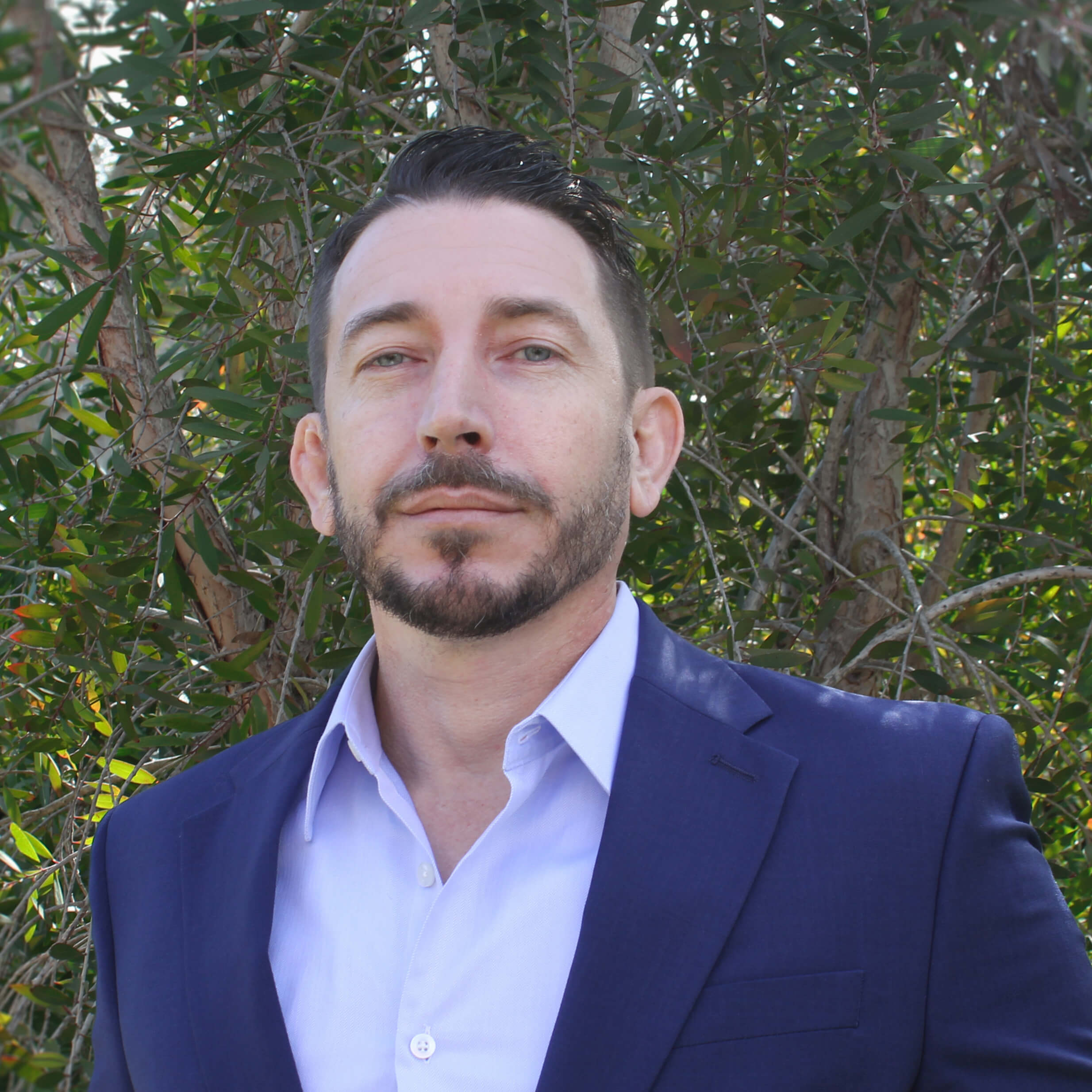
Cole Dyar is the Executive Director & co-founder of Neurish Wellness. He has been working in the behavioral health field in operational, clinical, organizational, and managerial capacities for thirteen years. He holds a degree from the University of California, Santa Cruz in sociology and is a Licensed Advanced Alcohol and Drug Counselor (LAADC) as recognized by CCAPP. Cole holds a Master of Science in Industrial/Organizational Psychology including: Organizational Leadership and Design, a Post-Masters in General Marriage and Family Therapy, and is currently a doctoral candidate in MFT with an emphasis in Systemic Administration & Entrepreneurship.