

Quick Answer: If someone you care about refuses mental health treatment, the right next step depends on what is happening now. A person who is resistant to care but still able to function may need a different approach from someone who is suicidal, severely psychotic, unable to care for themselves, or creating an immediate safety risk.
Knowing how to get someone mental help when they refuse can prepare you and your loved ones for some potentially challenging conversations. Furthermore, families often have more than one option before involuntary treatment becomes necessary. The first step is understanding why the person is refusing care, how much their functioning has changed, and whether the situation can still be managed safely outside an emergency setting.
Why Someone Might Refuse Mental Health Help
Refusing help is common among individuals struggling with mental illness, and the reasons are often deeply personal and complex. Fear, stigma, and lack of insight (known as anosognosia) can all play a role.
Some people understand that they are struggling but fear hospitalization or losing independence, while others may genuinely not recognize how much their symptoms have changed.
The reason for refusing help matters because it can shape how you respond. Someone who is afraid of treatment may be more open to reassurance and smaller first steps, while a person experiencing severe paranoia, psychosis, mania, or poor insight may need a different approach and closer attention to safety.
When dealing with how to get someone mental help when they refuse, knowing common reasons people refuse help can offer clarity:
- Lack of awareness that they’re unwell (anosognosia)
- Fear of hospitalization or forced treatment
- Distrust of mental health professionals or past trauma
- Cultural or personal stigma around mental illness
- Concern about costs or losing autonomy
How Can You Tell if Treatment Refusal Has Become a Mental Health Crisis?
Treatment refusal becomes more concerning when it is accompanied by a significant change in safety or the person’s ability to function. Someone can decline therapy or medication without being in immediate danger, which is different from a situation involving severe psychiatric symptoms or an inability to care for basic needs.
Watch for changes from the person’s usual behavior. Several nights without meaningful sleep, worsening psychosis, suicidal statements, threats toward others, severe confusion, stopping eating or drinking, or becoming unable to manage basic personal needs may indicate that the situation needs a more urgent professional assessment. You do not need to diagnose what is happening before asking for help.
How Should You Talk to Someone Who Refuses Mental Health Treatment?
When addressing how to get someone mental help when they refuse, a calmer conversation often works better than trying to convince someone that they are mentally ill. Focus on specific changes you have noticed and concerns they may already recognize, such as not sleeping, feeling constantly afraid, struggling at work, or having trouble keeping up with daily responsibilities.
Ask what makes getting help difficult instead of assuming you know the reason. Fear of medication, a previous hospitalization, distrust of providers, privacy concerns, or worry about losing control can all create resistance, and addressing that specific concern may make a first appointment feel more manageable. Avoid arguing about a diagnosis or using hospitalization as a threat, especially if paranoia, delusions, mania, or poor insight are part of the situation.
What Should You Do if Someone May Be in Immediate Danger?

If a person poses a danger to themselves or others due to untreated mental illness, you may need to report the situation to initiate intervention. In California, you can contact local mental health crisis teams and law enforcement trained in crisis intervention or go through the county’s behavioral health services.
Here’s how the process typically works:
- Call 911 or your county’s crisis line and request a psychiatric evaluation for someone experiencing a mental health emergency.
- Explain the situation clearly, describing behaviors that demonstrate immediate risk and the need for immediate mental health support (e.g., threats of self-harm, erratic actions).
- The person may be placed under a 5150 hold for an involuntary 72-hour psychiatric hold for evaluation and stabilization.
- If extended care is needed, the hold may transition into a 5250, a 14-day involuntary treatment hold with a legal hearing.
Keep documentation, dates, and examples of concerning behavior. Knowing how to get someone mental help when they refuse starts with understanding how to initiate a legal and safe response.
Understanding Mental Health and the Law

California’s involuntary treatment laws are built to protect both the person in crisis and their rights. The Lanterman-Petris-Short (LPS) Act allows short-term holds (a 5150 for up to 72 hours, a 5250 for up to 14 days) when someone is a danger to themselves, a danger to others, or gravely disabled. If a person keeps declining after short-term holds and cannot voluntarily participate in care, a court may appoint a conservator to make medical or daily-life decisions. HIPAA still allows clinicians to share necessary information with family or law enforcement when there is an imminent safety threat, and the ADA protects people with mental health conditions from discrimination throughout. These protections matter because they require acting through the proper channels, not just acting quickly.
Create a Plan for Someone Who Refuses Mental Health Help

Taking action requires preparation. We know it can be difficult to support a loved one with anxiety, depression, and other severe mental health concerns. A proactive approach gives you clarity, reduces crisis escalation, and increases the chances of success.
Step 1: Write Down Specific Changes
Keep notes about meaningful changes in behavior, sleep, eating, hygiene, judgment, medication use, or daily functioning. Specific examples are more useful than broad descriptions because they give clinicians and crisis responders a clearer picture of how much the person has changed from their usual baseline.
Step 2: Speak With a Mental Health Professional
A therapist, psychiatrist, crisis counselor, or other qualified clinician can help you think through the level of concern and what type of response may be appropriate. They can also help you distinguish between a situation that may be managed with outpatient support and one that needs a more urgent evaluation.
Step 3: Know Which Crisis Resources Are Available
Find out how to reach your local mobile crisis team, county behavioral health line, psychiatric emergency services, 988, and nearby emergency departments. Knowing these options ahead of time can reduce confusion if the situation escalates.
Step 4: Decide What Your Family Cannot Safely Manage Alone
Think through what would require outside help, such as suicidal statements, threats, severe confusion, psychosis, violence, or an inability to care for basic needs. Clear boundaries can help families avoid waiting too long when the situation has moved beyond what they can safely handle at home.
If treatment resistance continues and your family needs a more structured approach, review how to plan a mental health intervention before taking the next step.
How to Support a Loved One During Treatment

Once your loved one has entered treatment, voluntarily or not, they’ll need emotional support more than ever. Recovery is rarely linear, and their experience may come with fear, resistance, or even resentment. This is where compassion and boundaries matter most.
Listen Without Judgment
Give your loved one space to express their thoughts and emotions without interruption. Even if what they share is difficult to hear or doesn’t make sense to you, being a non-judgmental presence helps build trust. Avoid correcting, diagnosing, or arguing; instead, offer calm validation and reassurance.
Respect Their Autonomy
While treatment may have started involuntarily, your loved one still deserves to feel in control of parts of their life. Whenever possible, let them make decisions about things like food, clothes, or visitation. These small choices can help rebuild a sense of dignity and personal agency.
Coordinate with Providers
If permitted, stay in communication with your loved one’s care team to better understand how to support their treatment goals. Providers can offer insight into progress, setbacks, and ways you can reinforce what’s happening in therapy. Family involvement, when welcomed, can lead to more stable long-term outcomes.
Set Healthy Boundaries
Being a supportive family member doesn’t mean sacrificing your own emotional or physical well-being. It’s okay to say no, take breaks, and protect your own energy when needed. Boundaries actually create a safer, more sustainable relationship for both you and your loved one.
Stay Consistent
Mental health recovery is often a long and unpredictable process. Continue showing up with love and patience, even when there’s resistance or relapse. Your steady presence can become an anchor during a time of deep instability and uncertainty.
How Neurish Wellness Helps Families Navigate Treatment Resistance
At Neurish Wellness, our renowned mental health treatment center in Orange County, CA, we recognize that not all paths to healing are voluntary or straightforward. That’s why our treatment model is uniquely equipped to support individuals in crisis and the families who stand beside them. Our care approach goes beyond stabilization. We offer long-term, compassionate strategies for recovery.
We provide:
- Individualized treatment plans tailored to each person’s clinical and emotional profile
- An upscale residential mental health facility in California
- Support through legal and crisis-related mental health challenges
- Collaboration with referring professionals, guardians, and loved ones
- Therapies designed to build insight, stability, and long-term healing
Whether your loved one enters care willingly or through involuntary means, Neurish Wellness is here to provide a safe, nurturing path forward.
Reach Out to Neurish Wellness
Knowing how to get someone mental help when they refuse is rarely as simple as finding the right words to convince them. The next step depends on why they are resisting care, how much their functioning has changed, and whether there is an immediate safety concern.
If someone you care about is struggling and you are unsure whether residential treatment, crisis stabilization, outpatient support, or a more urgent psychiatric evaluation is appropriate, Neurish Wellness can help you discuss the situation and decide what level of support makes sense.
FAQs About How to Get Someone Mental Help When They Refuse
What is involuntary psychiatric treatment?
Involuntary treatment occurs when a person is hospitalized or treated without their consent due to serious risk to themselves or others. In California, this starts with a 5150 hold.
Can You Force Someone to Get Mental Health Treatment?
An adult’s refusal of treatment alone generally does not mean they can be forced into care. State law governs involuntary treatment and requires specific criteria. In California, authorized professionals may initiate a 5150 evaluation when the legal requirements related to danger or grave disability are met.
How to get someone mental help when they refuse?
You can contact a local mental health crisis line, document symptoms, and work with providers or law enforcement to initiate an involuntary psychiatric evaluation.
What are mental illness laws in California?
California’s LPS Act governs involuntary psychiatric holds. Rights are protected by HIPAA, ADA, and state regulations related to hospitalization, court involvement, and conservatorship.
How to get a family member admitted to a mental hospital?
You must demonstrate that your family member meets criteria for hospitalization, such as being a danger to self, others, or gravely disabled. A mental health evaluation can trigger admission.
How to have a person committed?
In California, this involves initiating a 5150 hold and potentially pursuing extended legal holds or conservatorship if the individual continues to need care but refuses treatment.
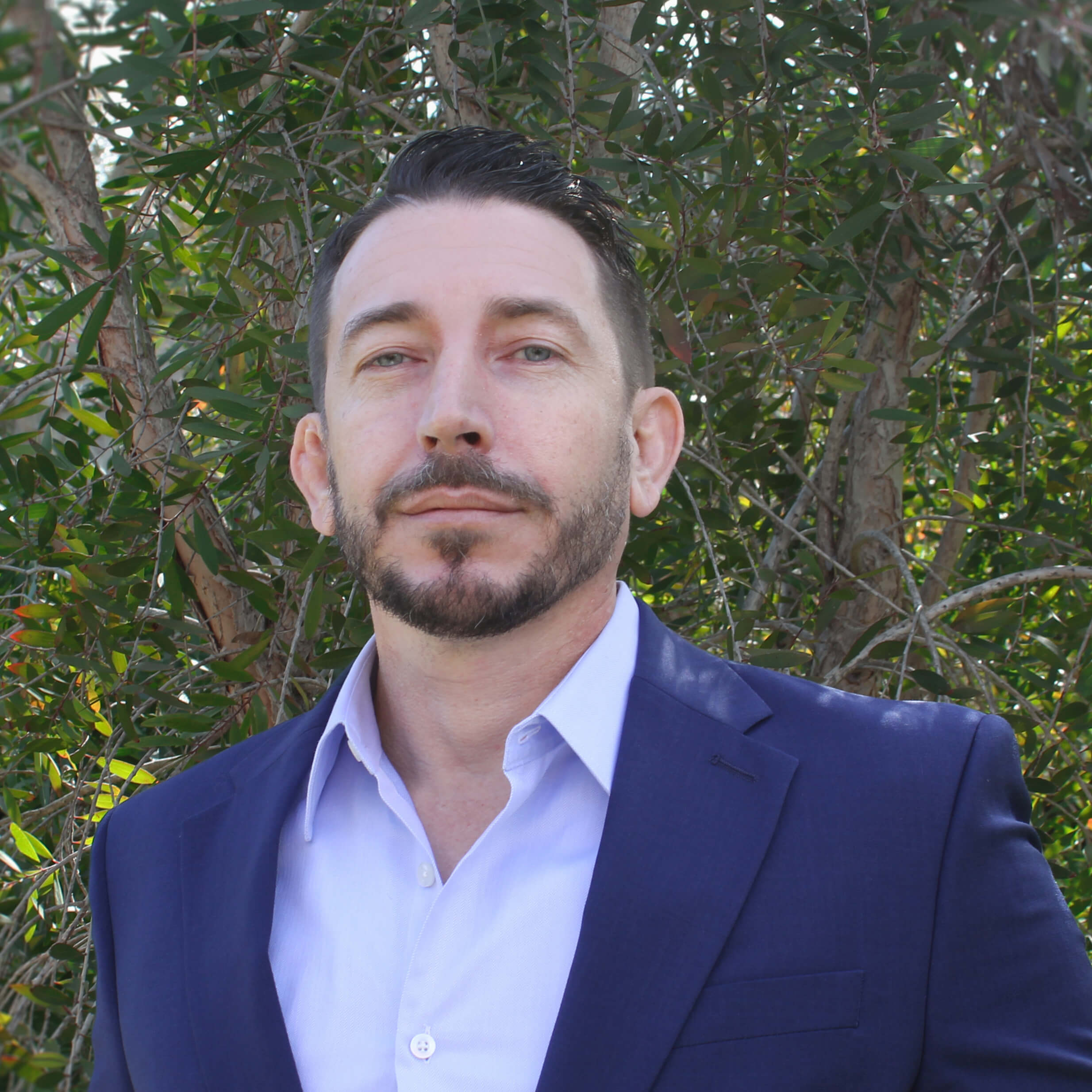
Cole Dyar is the Executive Director & co-founder of Neurish Wellness. He has been working in the behavioral health field in operational, clinical, organizational, and managerial capacities for thirteen years. He holds a degree from the University of California, Santa Cruz in sociology and is a Licensed Advanced Alcohol and Drug Counselor (LAADC) as recognized by CCAPP. Cole holds a Master of Science in Industrial/Organizational Psychology including: Organizational Leadership and Design, a Post-Masters in General Marriage and Family Therapy, and is currently a doctoral candidate in MFT with an emphasis in Systemic Administration & Entrepreneurship.