
Quick Answer: A 5150 hold lets authorized professionals in California detain someone for up to 72 hours for a mental health evaluation when they are a danger to themselves or others, or are gravely disabled. A 5250 is a separate certification that can add up to 14 days of intensive treatment.
When a loved one is placed on a psychiatric hold, it can be difficult to understand what is happening or what the next few days may look like. A 5150 and 5250 aren’t interchangeable, and neither automatically means that someone will remain hospitalized for the maximum period allowed.
Understanding the purpose of each hold can help families communicate with the treatment team, support their loved one, and prepare for the next stage of care.
In this guide, we’ll explain:
- What a 5150 hold is and the circumstances that may lead to one
- How a 5150 differs from a 5250, including how long each can last
- What rights and review processes apply during involuntary treatment
- What families can do while a loved one is on a psychiatric hold
- What types of care may be appropriate afterward, depending on the person’s needs and level of stability
What Is a 5150 Hold in California?
A 5150 hold refers to Section 5150 of California’s Welfare and Institutions Code. The law allows specified professionals to take someone into custody for up to 72 hours when there is probable cause to believe that, because of a mental health disorder, the person is a danger to themselves, a danger to others, or gravely disabled. The time begins when the person is first detained.
A 5150 hold creates a temporary period in which mental health professionals can evaluate what is happening, address an immediate crisis, and determine whether the person can safely leave or needs further care.
When Can Someone Be Placed on a 5150 Hold?
A mental health diagnosis by itself isn’t enough for a 5150. The situation has to meet one of the legal grounds for involuntary detention:
- Danger to self: There is reason to believe the person presents a serious safety risk to themselves.
- Danger to others: Their condition creates a serious concern that they may harm someone else.
- Grave disability: Their condition leaves them unable to provide for basic personal needs covered by California law.
California’s definition of grave disability now includes an inability to provide for food, clothing, shelter, personal safety, or necessary medical care. The law contains additional provisions about how grave disability is determined, so a person struggling with daily functioning doesn’t automatically meet this standard.
Can a Family Member Put Someone on a 5150 Hold?
Family members can’t personally authorize a 5150, but they can contact crisis or emergency professionals who are legally allowed to initiate one.
When you call, describe specific safety concerns or changes in functioning, such as suicide threats, not eating, severe disorganization, or unsafe behavior. Concrete examples are more useful than saying someone is simply “having a breakdown.”
What Happens During and After a 5150 Hold?
A 5150 is a period of evaluation, not a predetermined three-day hospital stay. What happens during those hours helps determine what happens afterward.
During the hold: Mental health professionals assess the person’s symptoms, immediate safety, ability to function, and need for treatment. Crisis intervention may happen at the same time. The person may also be transferred to another designated facility if needed.
Being held involuntarily doesn’t mean the outcome has already been decided. California law specifically allows clinicians to determine that someone can be served voluntarily instead of continuing detention, and a person may be released before the 72-hour maximum.
After the hold: Once the initial evaluation period ends, there are several possible next steps:
- Discharge: The person no longer meets the criteria for involuntary detention and can leave.
- Voluntary treatment: The person agrees to continue receiving mental health care.
- Further involuntary treatment: The clinical team determines that the legal criteria for continued detention remain satisfied.
That third possibility is where a 5250 hold may enter the picture.

5150 vs. 5250: What’s the Difference?
The main difference between a 5150 vs 5250 hold is the stage and potential duration of involuntary treatment. A 5150 is the initial evaluation period of up to 72 hours. A 5250 may follow when further evaluation shows that the person continues to meet the required criteria and is unwilling or unable to accept treatment voluntarily.
Under California law, a 5250 can certify someone for up to 14 days of intensive treatment. It doesn’t automatically follow every 5150.
What Is the Purpose of a 5150 vs. 5250?
A 5150 is used for initial assessment, evaluation, and crisis intervention. A 5250 is used for continued intensive mental health treatment when qualifying concerns remain after further evaluation.
How Long Can a 5150 vs. 5250 Last?
A 5150 can last up to 72 hours. A 5250 can last up to 14 days, but that doesn’t mean the person must remain for the full 14 days.
When Is a 5150 vs. 5250 Hold Used?
A 5150 is used at the beginning of an involuntary mental health detention. A 5250 may be used after that initial period if the person still meets the legal criteria and cannot or will not accept voluntary treatment.
What Criteria Apply to a 5150 vs. 5250?
A 5150 requires danger to self, danger to others, or grave disability due to a mental health disorder. A 5250 requires continued qualifying criteria after evaluation, along with unwillingness or inability to accept voluntary treatment.
Does a 5250 Include a Review Process?
A 5250 includes a certification review process. That review is part of what distinguishes it from the initial 5150 evaluation period.
The 14 days are also a maximum rather than a required length of stay. If the person no longer needs involuntary treatment, continued detention isn’t justified simply because time remains on the certification.

What Rights Does Someone Have During a 5150 or 5250?
Being detained involuntarily doesn’t remove a person’s basic patient rights. California protects rights related to dignity, humane care, privacy, advocacy, treatment, and procedural protections during the commitment process. The person should also receive information explaining why they are being detained and how to contact a county patient advocate.
A 5250 brings additional review protections. Unless judicial review has already been requested, California law generally requires a certification review hearing within four days of the certification, although the person or their attorney or advocate can request a postponement. A patient advocate or attorney can also help the person understand and prepare for the process.
Families who need a more detailed explanation can review the California Department of Health Care Services’ Rights for Individuals in Mental Health Facilities handbook.
What Can You Do While a Loved One Is on a Psychiatric Hold?
You may have limited control over the hold itself, but you can still help the treatment team understand what has been happening and prepare for discharge.
- Share relevant history: Include recent symptoms, medications, hospitalizations, safety concerns, and major changes in behavior or functioning.
- Be specific: Dates, statements, threats, sleep changes, and concrete behaviors are more useful than general descriptions.
- Ask how to share information: Staff may be able to receive information from you even when confidentiality limits what they can disclose.
- Prepare for discharge: Ask about follow-up care, medications, appointments, supervision needs, and signs that should prompt another urgent evaluation.
If you have concerns about whether your loved one can return home safely, tell the treatment team clearly rather than assuming they already know.
What Kind of Care May Be Needed After a 5150 or 5250?
After an involuntary hold, some people may still need hospital care, while others may be ready for voluntary crisis stabilization, residential treatment, or outpatient psychiatric support.
At Neurish Wellness, we provide options for adults who no longer require involuntary detention but may still benefit from intensive mental health care.
- Our private residential inpatient mental health treatment in Orange County provides a structured setting for continued support.
- Our voluntary crisis stabilization home in Fountain Valley offers another level of care for people who need more support before returning home.
These programs don’t replace a required 5150 or 5250, but they may provide a supportive next step once involuntary treatment is no longer necessary.
Contact Neurish Wellness to discuss your loved one’s needs and explore which level of care may be appropriate.
FAQs About 5150 and 5250 Holds
Does insurance cover a 5150 hold?
Involuntary psychiatric care is generally billed like other emergency mental health treatment, and coverage depends on the person’s plan and the facility. Families often find it worth calling the facility’s billing office and their insurer early, since the person didn’t choose to be admitted and the costs can be confusing after the fact.
Can someone refuse medication while on a 5150?
Often, yes. A person generally retains the right to refuse antipsychotic medication unless an emergency applies or they are found to lack capacity to make that decision.
Can family members visit someone on a 5150 hold?
Possibly. Visitation depends on the facility, the person’s clinical condition, their preferences, and any restrictions in place.
How do I find out which facility my loved one was taken to?
Start with whoever initiated the hold, such as the responding officers or the county crisis line, since they can usually tell you where the person was transported. Confidentiality rules may limit what a facility confirms once your loved one arrives, so it helps to give staff your contact information and the history you can share even if they can’t tell you much in return.
Does a 5150 affect firearm rights in California?
It can. Certain 5150 detentions can trigger a five-year California firearm prohibition, while some 5250 certifications may have additional consequences. Review current California Department of Justice firearms guidance for the rules that apply.
What happens if someone still needs treatment after a 5250?
California law allows additional procedures for continued involuntary treatment in some cases. The facility and patient advocate should explain the next step and the rights that apply.

© Mental Health House, LLC DBA Neurish Wellness
CONTACT US
Phone: (866) 525 5197
Email: info@neurishwellness.com
Privacy Policy | Blog | Rehab for Professionals
[license_text]
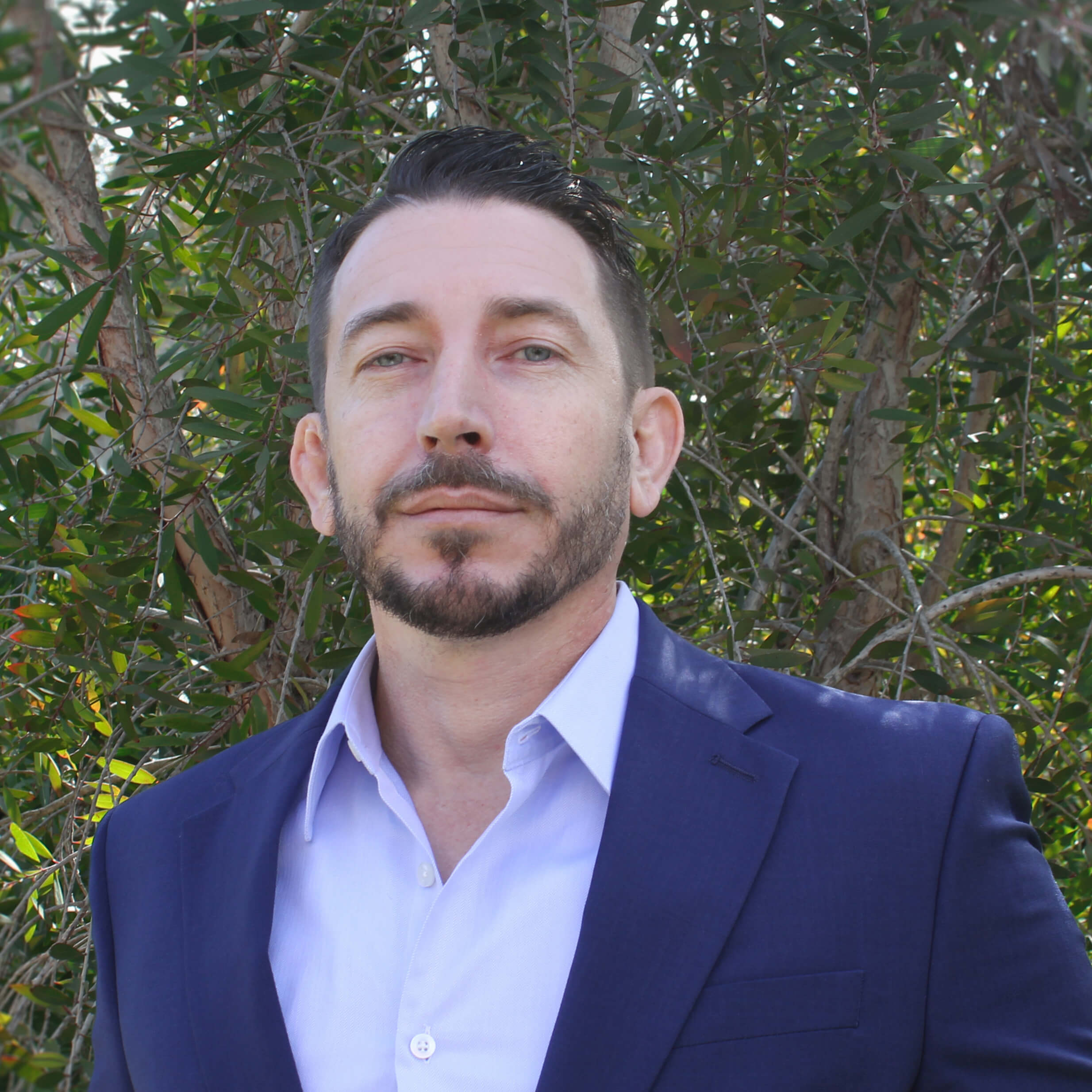
Cole Dyar is the Executive Director & co-founder of Neurish Wellness. He has been working in the behavioral health field in operational, clinical, organizational, and managerial capacities for thirteen years. He holds a degree from the University of California, Santa Cruz in sociology and is a Licensed Advanced Alcohol and Drug Counselor (LAADC) as recognized by CCAPP. Cole holds a Master of Science in Industrial/Organizational Psychology including: Organizational Leadership and Design, a Post-Masters in General Marriage and Family Therapy, and is currently a doctoral candidate in MFT with an emphasis in Systemic Administration & Entrepreneurship.