
Quick Answer: Paranoid schizophrenia is an older term for schizophrenia in which paranoia, delusions, or hallucinations are especially prominent. Clinicians now diagnose schizophrenia and describe the specific symptoms a person is experiencing, including persecutory beliefs, suspiciousness, or fear that other people intend to harm them.
Schizophrenia can affect how a person interprets other people, events, and experiences, sometimes leading to persistent beliefs that others are watching, following, deceiving, or trying to harm them. Because these experiences can feel very real—and because insight may be limited—paranoia can affect relationships, daily functioning, and willingness to participate in treatment. Although “paranoid schizophrenia” is no longer a formal diagnostic subtype, the term is still commonly used to describe schizophrenia with prominent paranoid symptoms.
This article explains:
- What paranoid schizophrenia means today and why the diagnosis changed
- What paranoia and related symptoms can look like
- How schizophrenia is diagnosed and distinguished from other conditions
- What treatment can help, including medication, therapy, and family support
- What to do when paranoia interferes with treatment
Understanding how these symptoms develop and affect a person can help families and caregivers respond with greater clarity while supporting appropriate care.
Is Paranoid Schizophrenia Still a Diagnosis?
Paranoid schizophrenia was once one of several schizophrenia subtypes, but the DSM-5 removed those categories. The current approach is to diagnose schizophrenia and describe the symptoms and their severity instead.
Someone who previously might have received that diagnosis may now simply be diagnosed with schizophrenia while experiencing prominent paranoia, delusions, or hallucinations. The term is still common in everyday conversation and online searches.
What Do Paranoid Schizophrenia Symptoms Look Like?
Paranoid schizophrenia symptoms often center on the belief that other people, organizations, or outside forces pose a threat. These experiences can feel completely real to the person, even when family members see the situation very differently.
Examples can include:
- Feeling watched: Believing neighbors, coworkers, strangers, law enforcement, or other people are monitoring them
- Fearing deliberate harm: Becoming convinced someone plans to poison, attack, frame, or otherwise hurt them
- Distrusting familiar people: Interpreting ordinary behavior from a spouse, relative, friend, or clinician as threatening
- Hearing threatening voices: Voices may warn of danger, criticize the person, or reinforce the belief that someone is targeting them
- Finding hidden messages: Television programs, conversations, social media posts, or everyday events may seem personally directed at them
Paranoia may become so convincing that the person changes routines, stops leaving home, avoids certain people, or takes steps to protect themselves from a threat that others can’t verify.
Schizophrenia can also involve symptoms beyond paranoia, which is why the full clinical picture matters.

When Does Suspicion Become Paranoia?
Suspicion usually changes when new information explains what happened. Paranoia can be harder to question, even when other people offer evidence that points in a different direction.
With schizophrenia, someone may remain convinced that they are being watched, followed, deceived, or threatened. Hallucinations can reinforce that belief, such as hearing a voice that seems to confirm someone is trying to harm them.
Because the threat feels real, arguing about whether the belief is true may not help and can sometimes increase mistrust.
Could It Be Delusional Disorder Instead?
Delusional disorder can involve persistent, strongly held beliefs, including persecutory delusions, while the broader pattern seen in schizophrenia may be absent.
A psychiatric assessment looks beyond the content of one belief and considers the person’s other symptoms, functioning, and how the condition has developed over time.
What Causes Paranoia in Schizophrenia?
There is no single known cause of schizophrenia or of the paranoia that can occur with it. Research suggests that genetic vulnerability, environmental and life experiences, and differences in brain development and functioning may all contribute.
Once psychosis develops, the way someone interprets ordinary events can change. A neutral expression may seem hostile, a coincidence may feel intentional, or an unexplained sound may be understood as evidence that someone is watching them.
These experiences can reinforce one another. If someone already feels unsafe, a hallucination or ambiguous event may appear to confirm the threat, making the paranoid belief increasingly difficult to question.

How Is Paranoid Schizophrenia Diagnosed?
Paranoia alone doesn’t establish a schizophrenia diagnosis. Clinicians look at the overall pattern of symptoms, how long they have been present, how functioning has changed, and whether another psychiatric or medical condition could better explain what is happening.
That assessment may include delusions, hallucinations, disorganized thinking or behavior, negative symptoms such as reduced motivation or emotional expression, cognitive difficulties, and changes in work, relationships, or self-care. Medical history, medications, sleep, and recent substance exposure may also need to be considered.
There is no single blood test, scan, or questionnaire that confirms schizophrenia. Diagnosis comes from evaluating the larger clinical picture and ruling out other explanations when appropriate.
What Treatment Can Help With Paranoia in Schizophrenia?
Paranoid schizophrenia treatment usually combines psychiatric medication with psychological and practical support. The exact plan depends on the severity of the psychosis, how the person is functioning, previous treatment response, and how willing they are to stay engaged in care.
Several parts of treatment may work together:
- Antipsychotic medication: These medications can reduce the intensity or frequency of delusions, hallucinations, and other psychotic symptoms.
- Cognitive behavioral therapy for psychosis: CBTp can help a person examine distressing interpretations, develop alternative explanations, and reduce how much psychotic experiences interfere with daily life.
- Family support and education: Families can learn how symptoms work, recognize meaningful changes, and support treatment without escalating conflict.
- Psychosocial support: Help with routines, relationships, work, education, and independent living can be important as symptoms become more stable.
The World Health Organization includes medication, CBT, family interventions, psychoeducation, and psychosocial rehabilitation among recommended approaches for schizophrenia care. WHO guidance on psychological and family interventions for psychosis also emphasizes involving individuals and families in treatment.
What If Standard Treatment Is Not Controlling the Symptoms?
If psychotic symptoms remain significant after adequate antipsychotic trials, the psychiatrist may reassess the diagnosis, medication history, adherence, and whether clozapine or another approach is appropriate. We look at that option more closely in our guide to clozapine and treatment-resistant schizophrenia. Treatment-resistant schizophrenia needs individualized psychiatric care, but it doesn’t mean the options have run out.

What If Paranoia Is Making It Hard to Stay in Treatment?
Paranoia can interfere with treatment when the perceived threat begins to include psychiatrists, therapists, medication, treatment facilities, or relatives who are trying to help. Someone may miss appointments, stop medication, refuse to speak with clinicians, or interpret ordinary treatment decisions as attempts to control or harm them.
When that happens, rebuilding trust and maintaining treatment engagement can become an important part of care. Consistent clinicians, predictable routines, careful medication management, and a setting where trust can develop over time may help reduce the cycle of fear and disengagement.
At Neurish Wellness, we provide private residential inpatient mental health treatment in Orange County for adults who need a structured setting with psychiatric care, medication management, therapy, and 24-hour support. For adults who are stable enough to remain at home, our outpatient mental health services provide ongoing psychiatric follow-up and therapy without an overnight stay.
The appropriate level of care depends on the person’s current symptoms, safety, ability to participate in treatment, and the amount of support needed to maintain stability. Our admissions team can help families understand their options and determine what level of support may be appropriate.
Contact Neurish Wellness to discuss your needs and find the level of mental health care that fits your circumstances.
FAQs About Paranoid Schizophrenia
Can someone with schizophrenia know their paranoid thoughts are not real?
Sometimes. Insight varies. A person may question certain paranoid thoughts while staying completely convinced by others, and awareness can shift as symptoms improve or worsen. Learn more about anosognosia, the clinical term for lack of insight in schizophrenia, on our blog.
Does paranoia in schizophrenia come and go?
It can. Paranoia may become more or less intense over time, depending on treatment response, sleep, stress, and overall psychiatric stability.
Can someone with paranoid schizophrenia live independently?
Yes, some people can. Independent living depends more on symptom stability, daily functioning, treatment engagement, and available support than on the presence of paranoia alone.
Can paranoia get worse even while someone is taking medication?
Yes. Worsening symptoms can happen for several reasons, including changes in treatment response, missed medication, sleep disruption, stress, or another health issue. A noticeable change should be discussed with the treatment team.
What should you do if someone with schizophrenia thinks you are trying to harm them?
Avoid turning the conversation into an argument about who is right. Focus on immediate safety, keep your response calm, and seek professional guidance if the paranoia is escalating or interfering with treatment. You can also explore our guide to treatment for psychosis for families trying to understand what level of support may be appropriate.

© Mental Health House, LLC DBA Neurish Wellness
CONTACT US
Phone: (866) 525 5197
Email: info@neurishwellness.com
Privacy Policy | Blog | Rehab for Professionals
[license_text]
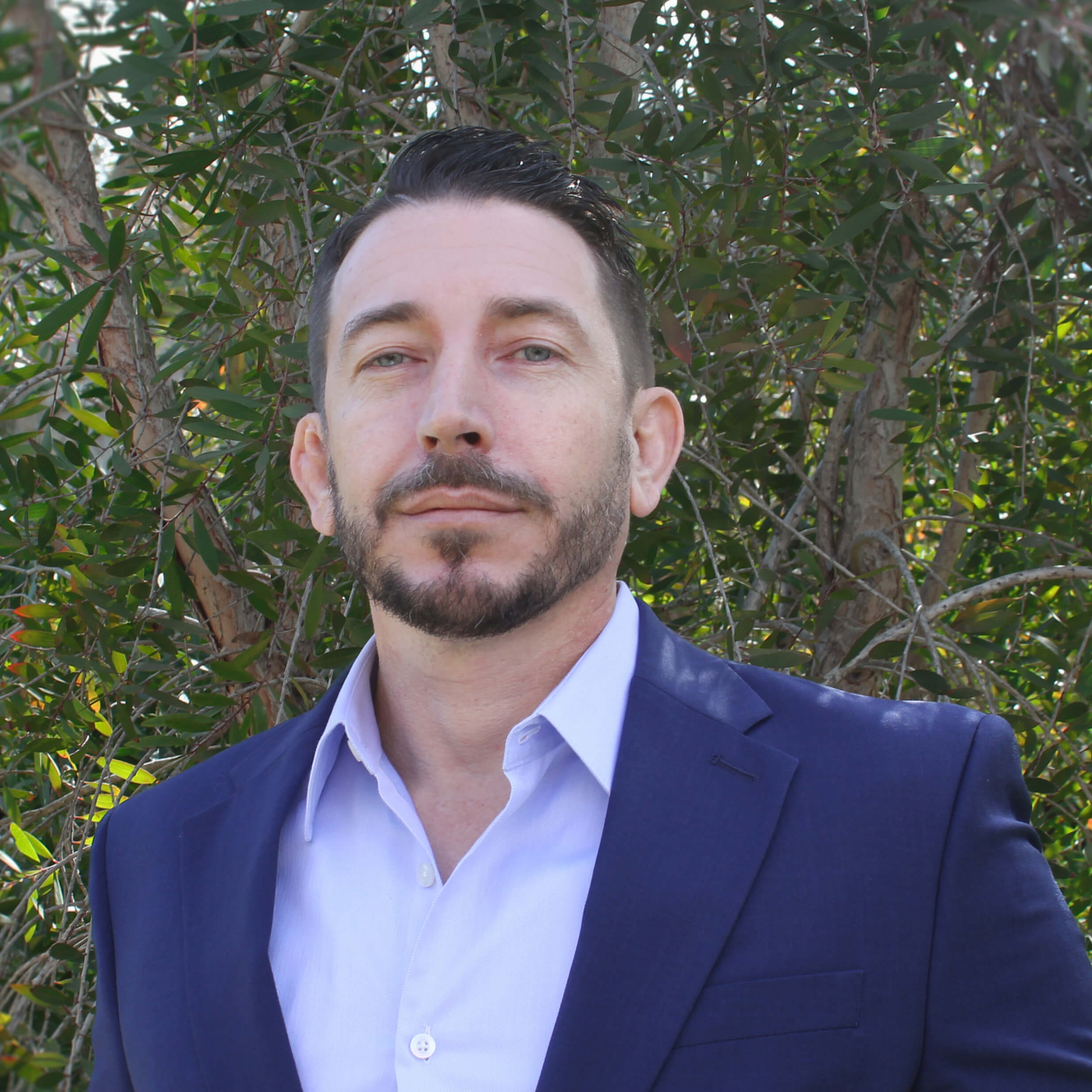
Cole Dyar is the Executive Director & co-founder of Neurish Wellness. He has been working in the behavioral health field in operational, clinical, organizational, and managerial capacities for thirteen years. He holds a degree from the University of California, Santa Cruz in sociology and is a Licensed Advanced Alcohol and Drug Counselor (LAADC) as recognized by CCAPP. Cole holds a Master of Science in Industrial/Organizational Psychology including: Organizational Leadership and Design, a Post-Masters in General Marriage and Family Therapy, and is currently a doctoral candidate in MFT with an emphasis in Systemic Administration & Entrepreneurship.