

Quick Answer: If you are asking, “Can I drink on Prozac?” the safest answer is that alcohol is generally not recommended while taking fluoxetine, and the FDA’s medication guide advises against it. Alcohol can increase drowsiness, dizziness, and impaired judgment while also making depression or other mental health symptoms harder to manage.
What Happens When You Drink Alcohol While Taking Prozac?
Alcohol is a depressant that affects the central nervous system, and when combined with Prozac, it can lead to increased side effects, reduced medication effectiveness, and potential health complications. Drinking on Prozac may intensify feelings of drowsiness, dizziness, and impaired judgment, increasing the risk of accidents and dangerous behavior.
What Side Effects Do Prozac and Alcohol Cause Together?
If you’ve been asking, “Can I drink on Prozac?”, it’s important to understand the negative side effects of combining Prozac with alcohol, including:
- Increased drowsiness and sedation
- Impaired coordination and reaction time
- Worsened depression or anxiety symptoms
- Heightened risk of blackouts or memory loss
- Nausea, vomiting, or digestive issues
- Potential liver damage with long-term use
Prozac and Alcohol Interaction: Why It's Risky
As a selective serotonin reuptake inhibitor (SSRI), Prozac alters the levels of serotonin in the brain, while alcohol disrupts brain function. This interaction can worsen mood disorders, reduce the effectiveness of Prozac, and increase the likelihood of experiencing extreme mood swings or suicidal thoughts. The combination can also strain the liver, making it harder for the body to metabolize both substances properly.
Why Skipping a Dose to Drink Doesn’t Work
A common workaround is to skip a dose of Prozac before a night out. It does not work, and it can backfire. Fluoxetine has an unusually long half-life, roughly two to four days, and its active byproduct (norfluoxetine) can remain in the body for around a week or more. That means the medication is still active in your system long after your last pill, so the interaction with alcohol is still in play.
Skipping doses also interrupts the steady medication level that keeps your symptoms controlled, which can bring back the depression or anxiety Prozac is treating. The safer approach is to keep taking Prozac as prescribed and talk with your prescriber about alcohol rather than working around your dose.
Who May Face More Risk From Drinking While Taking Prozac?
Certain individuals face higher risks when mixing Prozac and alcohol. Those with a history of substance abuse may experience increased relapse risk, while individuals with liver disease face potential liver damage due to the strain on metabolism. People with severe depression or other mental health disorders are also vulnerable, as alcohol can counteract Prozac’s benefits, worsening symptoms like anxiety or suicidal thoughts. This combination may intensify side effects such as drowsiness, dizziness, and poor judgment, increasing accident risks.
Given these dangers, individuals in high-risk groups should consult their healthcare provider before consuming alcohol while taking Prozac. These are all important factors to consider if you’ve been wondering, “Can I drink on Prozac?
Can Alcohol Make Prozac Less Effective?
Alcohol may make antidepressant treatment less effective for some people, especially when drinking worsens depression, affects sleep, reduces medication adherence, or contributes to impulsive behavior. NIAAA specifically notes that alcohol may reduce antidepressant response and adherence.
That does not mean one drink automatically “cancels out” a dose of Prozac. The concern is the broader effect alcohol can have on mood, behavior, treatment consistency, and the symptoms fluoxetine is being used to treat.
How Can Alcohol Make It Harder to Tell if Prozac Is Working?
When alcohol use and antidepressant treatment overlap, it can become harder to tell what is causing a change in mood, sleep, anxiety, concentration, or energy. A difficult day after drinking may be related to alcohol, the underlying mental health condition, medication side effects, or more than one factor at the same time.
That matters clinically when asking the question, “Can I drink on Prozac?”, because treatment decisions depend on understanding what has actually changed. If someone is drinking regularly while taking Prozac and still feels depressed, anxious, unstable, or unable to function well, a clinician may need to look at both alcohol use and the mental health condition rather than assuming the medication simply is not working.
How to Manage Social Situations Without Alcohol
Avoiding alcohol in social settings can feel challenging, especially if drinking is a common part of gatherings. However, there are several strategies to help maintain social engagement without the risks associated with alcohol.
Choosing non-alcoholic alternatives, such as mocktails, sparkling water, or flavored sodas, allows you to blend in while avoiding unwanted side effects. Many bars and restaurants now offer creative alcohol-free beverages, making it easier to participate in social drinking without consuming alcohol.
Additionally, setting personal boundaries and communicating them to friends can help reduce peer pressure. Letting others know that you’re avoiding alcohol—whether for health reasons, personal choice, or medication interactions—can prevent awkward situations. If necessary, having a response prepared, such as “I’m sticking to non-alcoholic drinks tonight,” can help deflect pressure without making the situation uncomfortable.
Finding supportive social circles that respect your choices and engaging in alcohol-free activities, like coffee meetups or game nights, can also make it easier to enjoy socializing without feeling out of place.
What Should You Do if You Already Drank Alcohol While Taking Prozac?
If you already had alcohol while taking Prozac and feel well, do not panic, but pay attention to how you are feeling and avoid additional alcohol until you can clarify the situation with your clinician or pharmacist. Dizziness, unusual drowsiness, impaired coordination, confusion, or worsening mood deserve closer attention.
Seek urgent help if you develop severe symptoms, lose consciousness, have trouble breathing, experience a serious behavioral change, or feel at risk of harming yourself or someone else. If there is an immediate safety concern, call 911 or 988 rather than waiting for a routine appointment.

How Neurish Wellness Approaches Alcohol Use and Mental Health Together
When someone is drinking while taking an antidepressant, the important question is not only whether alcohol should be stopped. A mental health assessment can look at why Prozac was prescribed, how symptoms are changing, how often alcohol is being used, how drinking affects mood or behavior, and if alcohol has become a way of coping with symptoms that are still not well managed.
If you are asking, “Can I drink on Prozac?”, Neurish Wellness provides luxury mental health and co-occurring disorder care for adults who need more structured alcohol treatment support. Depending on the person’s needs, treatment may address psychiatric symptoms, medication management, alcohol or substance use concerns, sleep, safety, and daily functioning together rather than treating each issue in isolation.
Get Support if Alcohol Is Complicating Your Mental Health Treatment
If drinking is worsening your mood, making medication harder to manage, or becoming difficult to control, it may be worth looking at more than the interaction itself. A clinician can help determine whether the medication plan, alcohol use, underlying mental health condition, or a combination of factors needs attention.
Neurish Wellness can help adults assess mental health and co-occurring substance use concerns and determine what level of support may be appropriate.
FAQs About Mixing Prozac and Alcohol
Why do I suddenly not want to drink alcohol?
Prozac can affect the brain’s reward system, reducing cravings for alcohol. This is a common side effect of certain antidepressants.
What is the best antidepressant if you drink alcohol?
No antidepressant is considered completely safe with alcohol, but some, like Wellbutrin or Zoloft, may have fewer interactions. Always consult your doctor.
Can I skip a day of Prozac to drink?
No. Skipping one dose does not immediately remove fluoxetine from the body because Prozac and its active metabolite remain in the system for an extended period. Do not change your medication schedule to make room for alcohol without speaking with your prescriber.
Does alcohol make Prozac less effective?
Yes, alcohol can interfere with Prozac’s ability to regulate mood, making it less effective in treating depression and anxiety.
Can Prozac increase alcohol tolerance?
Some people report feeling less intoxicated when drinking on Prozac, which can lead to excessive alcohol consumption and increased risk of alcohol poisoning.
What should I do if I accidentally drink on Prozac?
If you accidentally consume alcohol while on Prozac, monitor for side effects like dizziness or drowsiness. If severe symptoms occur, seek medical help.
How long after stopping Prozac can I drink alcohol?
Prozac has a long half-life and can stay in your system for weeks. Consult your doctor before resuming alcohol consumption.
Can Prozac and alcohol cause serotonin syndrome?
While rare, excessive alcohol consumption combined with Prozac may contribute to serotonin syndrome, a potentially dangerous condition.
Does Prozac help with alcohol cravings?
Prozac may reduce alcohol cravings in some individuals, but it is not a replacement for professional addiction treatment.
Are there safer alternatives to Prozac if I drink alcohol?
Some antidepressants may have fewer interactions with alcohol, but none are entirely safe. Always discuss options with your doctor.
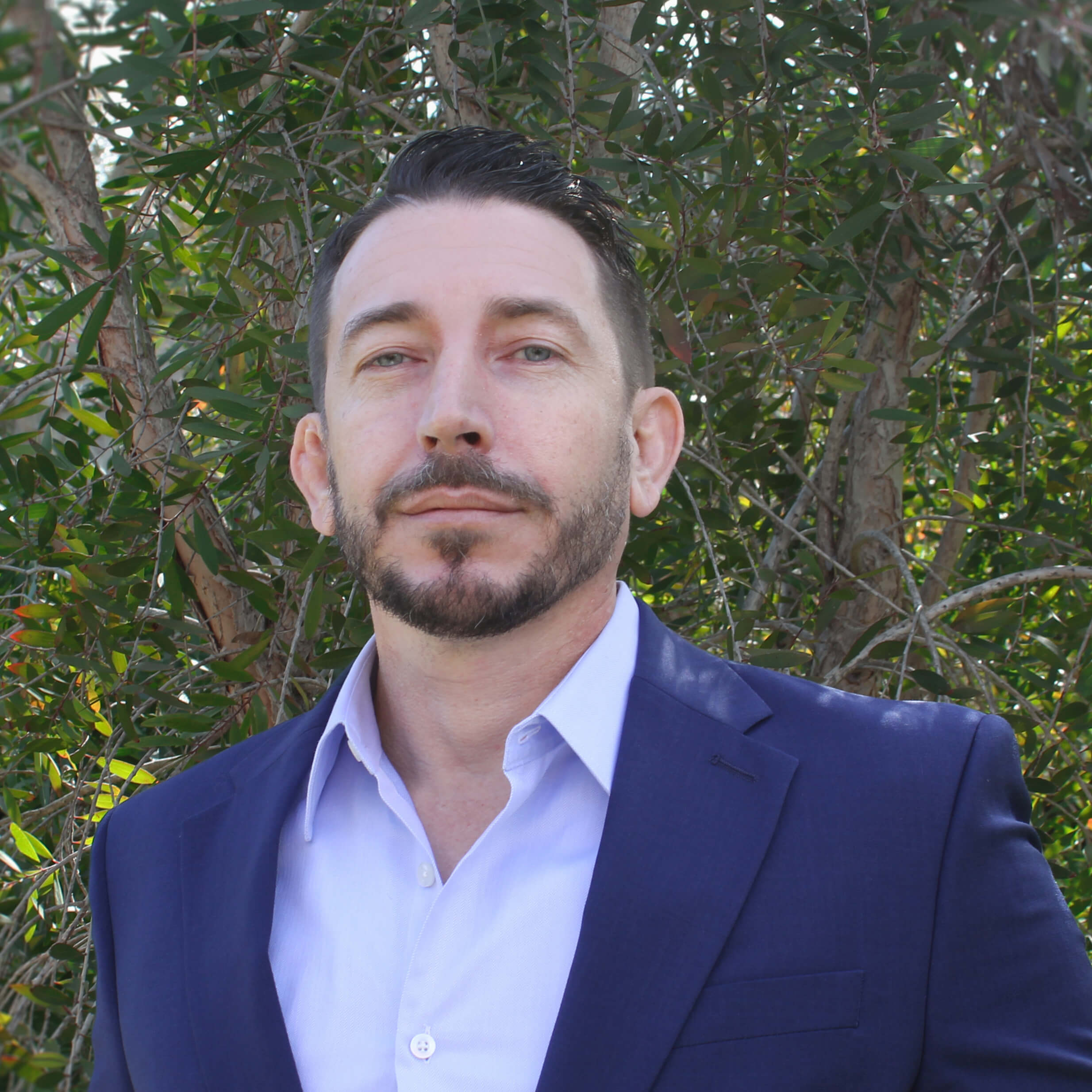
Cole Dyar is the Executive Director & co-founder of Neurish Wellness. He has been working in the behavioral health field in operational, clinical, organizational, and managerial capacities for thirteen years. He holds a degree from the University of California, Santa Cruz in sociology and is a Licensed Advanced Alcohol and Drug Counselor (LAADC) as recognized by CCAPP. Cole holds a Master of Science in Industrial/Organizational Psychology including: Organizational Leadership and Design, a Post-Masters in General Marriage and Family Therapy, and is currently a doctoral candidate in MFT with an emphasis in Systemic Administration & Entrepreneurship.