

Trauma does not always look like fear, flashbacks, or an obvious reaction to something that happened in the past. Sometimes it shows up through behaviors that appear disconnected from the original experience, including difficulty sleeping, emotional numbness, substance use, avoidance, perfectionism, irritability, relationship problems, or a constant need to stay busy. Because the connection is not always obvious, people may focus on correcting the behavior without understanding what is driving it. Looking at the broader pattern can help explain why certain coping strategies are so difficult to change.
When Trauma and Addiction Need to Be Treated Together
Substance use is one example of a behavior that may develop partly as an attempt to manage distress. Someone who feels constantly anxious, emotionally overwhelmed, unable to sleep, or disconnected from herself may discover that alcohol or drugs temporarily quiet those feelings. When that coping strategy becomes a substance use disorder, a women’s rehab center in California, like Casa Capri, or a luxury treatment center in Arizona or Colorado may be appropriate, particularly when trauma and addiction need to be addressed together. Treating only the substance use without examining what the person has been trying to cope with can leave an important part of recovery unexplored.
That does not mean trauma explains every case of addiction or that everyone with trauma will develop substance-related problems. People respond to difficult experiences differently, and substance use disorders have multiple biological, psychological, and social influences. The more useful question is whether trauma is part of this particular person’s clinical picture.
The Nervous System Can Stay on Alert Long After Danger Passes
A person who has lived through frightening, chaotic, abusive, or unpredictable circumstances may become highly attuned to signs that something could go wrong. That heightened awareness can be useful during an actual threat, but it can become exhausting when the body continues responding as if danger is always nearby. Ordinary conflict may feel unusually intense, unexpected noises may cause strong reactions, and relaxation can feel strangely uncomfortable.
This can help explain behaviors that other people interpret as overreacting, controlling, or being unnecessarily anxious. This is especially true when someone has ADHD and may have spent a long time masking. Someone may plan everything in detail because uncertainty feels unsafe, or avoid certain situations without fully understanding why. Another person may stay constantly busy because slowing down allows difficult thoughts or sensations to surface. These patterns can make more sense when viewed as adaptations that once served a purpose but are no longer working well.
Avoidance Can Take Many Forms
People often think of avoidance as refusing to talk about something painful, but it can be far less obvious. Overworking, excessive exercise, constantly scrolling a phone, jumping from relationship to relationship, isolating from other people, or filling every quiet moment with stimulation can all function as ways of avoiding difficult internal experiences. None of these behaviors automatically indicates trauma, but they can become part of a larger pattern. What matters is what the behavior is doing for the person emotionally.
Avoidance can feel effective in the short term because it reduces distress. The problem is that the relief often reinforces the behavior, making it harder to tolerate uncomfortable emotions without immediately escaping them. Over time, the person may organize more and more of life around avoiding particular feelings, memories, situations, or sensations. Treatment can help identify that cycle and build better habits.

Trauma Can Complicate Relationships
Relationship patterns may also carry the effects of earlier experiences. A person who has been betrayed, abandoned, criticized, controlled, or harmed may have difficulty trusting other people even when current relationships are safer. They may become highly sensitive to perceived rejection, keep emotional distance, or stay in unhealthy relationships because instability feels familiar.
Understanding the pattern does not mean excusing harmful behavior. People remain responsible for how they treat others, including when their reactions are influenced by trauma. The value of recognizing the connection is that it gives treatment something specific to address. Instead of simply telling someone to trust more, or communicate better, therapy can explore why closeness feels threatening and help the person develop different responses to their friends and family.

Physical Symptoms Can Be Part of the Picture
Trauma-related distress is not limited to thoughts and emotions. Sleep difficulties, headaches, gastrointestinal problems, muscle tension, fatigue, racing heart, and other physical symptoms can accompany chronic stress or heightened arousal. Those symptoms should not automatically be attributed to trauma, because medical conditions must be properly evaluated. Still, the relationship between mental and physical health is important enough that clinicians may consider both when symptoms persist.
For patients, this can be validating without becoming overly simplistic. Being told that stress may affect the body does not mean symptoms are imaginary or that every health concern is psychological. It means human systems are connected, and prolonged emotional distress can influence how someone feels physically.
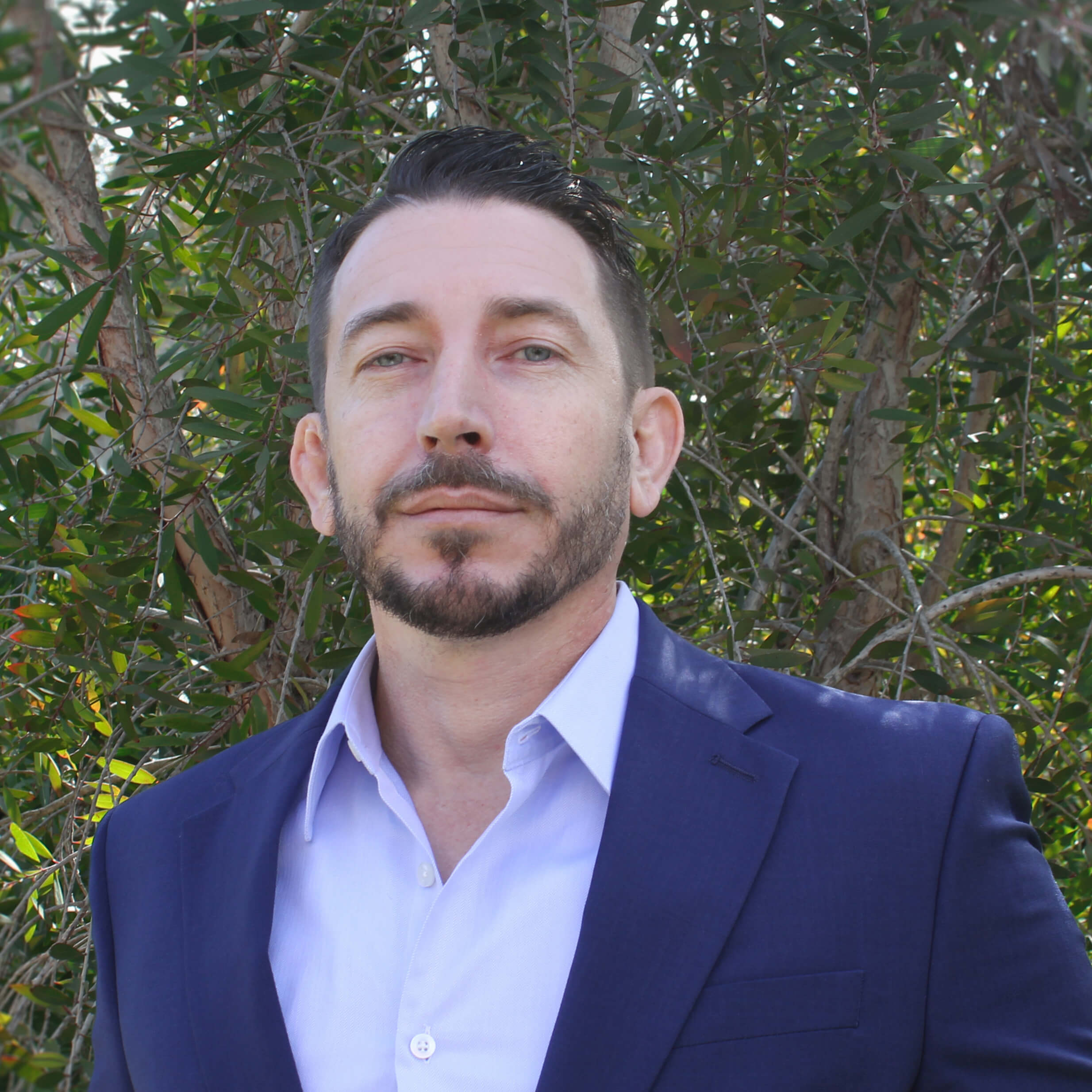
Cole Dyar is the Executive Director & co-founder of Neurish Wellness. He has been working in the behavioral health field in operational, clinical, organizational, and managerial capacities for thirteen years. He holds a degree from the University of California, Santa Cruz in sociology and is a Licensed Advanced Alcohol and Drug Counselor (LAADC) as recognized by CCAPP. Cole holds a Master of Science in Industrial/Organizational Psychology including: Organizational Leadership and Design, a Post-Masters in General Marriage and Family Therapy, and is currently a doctoral candidate in MFT with an emphasis in Systemic Administration & Entrepreneurship.