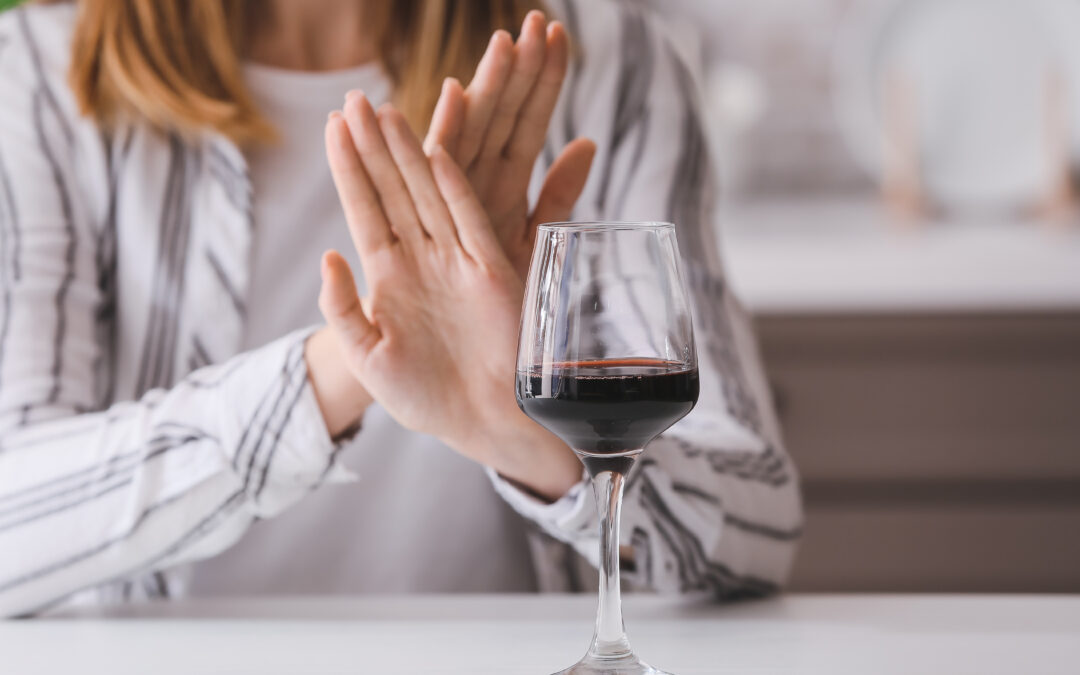
If you’re asking can you drink on antidepressants, the short answer is that drinking on antidepressants is usually not recommended. Even if the reaction doesn’t seem dramatic, alcohol can affect mood, intensify side effects, disrupt sleep, and make it harder to tell whether your medication is truly helping.
When medication becomes part of daily life, you want to know what still feels safe, normal, and manageable. This article tackles the questions of whether or not drinking alcohol with antidepressants is harmful, and how to avoid risks to your health.
Can You Drink on Antidepressants?
In most cases, it’s best to avoid alcohol while taking antidepressants. That does not mean every person will have the same reaction or that one drink always leads to an emergency, but it does mean the combination is not considered harmless.
Antidepressants and alcohol both affect the brain, mood, and nervous system. When they overlap, the result can be increased fatigue, greater emotional instability, more side effects, and reduced clarity about how well treatment is working. That’s why the answer to can you drink on antidepressants, no; it’s usually not recommended, even if you have seen people say otherwise online.
Why Drinking on Antidepressants Can Be a Risky
One of the biggest misconceptions around antidepressants and alcohol is that the risk only matters if you drink heavily. In reality, the concern is broader than that. Alcohol can amplify the very things antidepressants are already trying to stabilize.
Here are a few common side effects of drinking on antidepressants:
- Increased drowsiness
- Dizziness or lightheadedness
- Slower reaction time
- Trouble concentrating
- Worse coordination
- More emotional ups and downs
- Poorer sleep
- Stronger medication side effects
These side effects matter because antidepressants are often prescribed to help stabilize mood and emotional symptoms. Alcohol can quietly push those symptoms in the opposite direction, even if it feels calming at first. What feels like short-term relief can lead to more anxiety, low mood, irritability, or poor sleep later on.
Are Some Antidepressants Riskier to Drink On Than Others?
Yes. Not every antidepressant interacts with alcohol in the same way, which is why this question is not always a simple yes or no. Some antidepressants carry more risk around alcohol than others. Even if your antidepressant is common, that does not automatically mean drinking is low-risk.
Common Antidepressants That Still Deserve Caution
Medications like Zoloft, Lexapro, Prozac, and Celexa are widely prescribed, which can make them feel more familiar and less concerning. But alcohol can still make side effects more noticeable. You may feel more tired, more foggy, less emotionally steady, or just more off than usual afterward.
Antidepressants That May Be More Sensitive to Alcohol
Medications like Cymbalta, Effexor, and Pristiq can also be more sensitive to alcohol, especially depending on your dose, your health history, and how your body responds. In some cases, drinking may increase side effects or make the medication feel less stable overall.
Older Antidepressants That Can Hit Harder
Can you drink on antidepressants that are older, like amitriptyline, nortriptyline, and doxepin? No, it is not a good idea because these can already cause sleepiness or dizziness on their own. Alcohol can make those effects feel stronger than expected. If your medication already leaves you feeling groggy or slowed down, even a small amount of alcohol may hit harder than usual.
Antidepressants That Need Extra Caution
Some antidepressants require even more care when alcohol is involved. Monoamine Oxidase Inhibitors (MAOIs), such as phenelzine or tranylcypromine, can carry more serious alcohol-related risks. Certain drinks, especially some beers and wines, may dangerously raise blood pressure, which makes this combination especially important to avoid.

What If You Already Drank While Taking Antidepressants?
First, don’t panic. A lot of people search for this after the fact, and in many cases, the most helpful next step is simply to respond calmly and pay attention to how you feel.
If you already mix antidepressants and alcohol:
- Do not keep drinking to “push through it.”
- Avoid driving or anything that requires alertness
- Stay hydrated
- Pay attention to how you feel over the next several hours
- Do not skip or double your dose unless a medical professional tells you to
If you notice severe symptoms while combining antidepressants and alcohol, it’s important to seek medical attention or contact your prescriber. Even if the reaction is not severe, feeling noticeably off may be a sign that the mix of antidepressants and alcohol is affecting you more than you think.

When Alcohol Use May Be Part of a Bigger Mental Health Pattern
For some people, the question, “Can you drink on antidepressants?” is about social drinking concerns. For others, it points to something deeper. Alcohol can start to feel like a way to fall asleep, take the edge off anxiety, quiet racing thoughts, or temporarily escape depression, but over time, it often makes those same symptoms harder to manage.
The overlap between antidepressants and alcohol is very common. Alcohol use often exists alongside depression, anxiety, trauma, and other mental health concerns, which can make it harder to tell where one issue ends and the other begins. If alcohol has become part of how you cope, it may be a sign that the full picture needs more support than medication alone can provide.

How Neurish Wellness Helps When Alcohol and Mental Health Start Overlapping
At Neurish Wellness, we help people understand the full picture revolving around drinking on antidepressants, not just a single symptom or medication. That can include anxiety, depression, trauma-related symptoms, burnout, mood instability, and co-occurring alcohol or substance use concerns. Our approach is personalized, clinically grounded, and designed to help you move toward treatment that actually fits your needs.
We offer support through:
- Private therapy and psychiatry
- Medication evaluation and management
- Treatment for anxiety, depression, trauma, and burnout
- Dual diagnosis care for co-occurring mental health and substance use
- Residential inpatient services
- Outpatient and virtual treatment options
- Personalized treatment planning in a private, supportive setting
If alcohol has quietly become part of how you cope, or if your antidepressant treatment still doesn’t feel like enough, you do not have to figure that out on your own. The right support can make things feel clearer, steadier, and far more manageable.
When Alcohol and Mental Health Start Overlapping
If you’re taking antidepressants and still feeling emotionally overwhelmed, relying on drinking to cope, or unsure whether your treatment is really helping, it may be time to look at the bigger picture.
At Neurish Wellness, we help people move beyond symptom management to care that feels clearer, more personalized, and more effective. That can include support for depression, anxiety, trauma, burnout, and co-occurring alcohol or substance use in a setting that feels private, respectful, and clinically grounded.
FAQs: Can You Drink on Antidepressants?
Can one drink affect antidepressants?
Yes, it can. One drink may not affect everyone the same way, but it can still increase side effects, disrupt sleep, or make mood symptoms feel less stable. Even if the reaction feels mild, that does not necessarily mean the combination had no impact.
Is it safe to drink once your antidepressant has started working?
Not necessarily. Even if your medication feels stable, alcohol can still interfere with mood, sleep, side effects, and overall treatment progress. Feeling better on medication does not automatically mean alcohol becomes risk-free.
Is it dangerous to drink on SSRIs?
It can be, depending on the person and the medication. SSRIs do not always cause a dramatic reaction with alcohol, but they can still increase drowsiness and worsen depression or anxiety symptoms. Feeling “fine” in the moment is not always the full picture.
Should you skip your antidepressant if you plan to drink?
No. You should not stop and restart antidepressants just to make room for alcohol. Doing that can create its own problems, including symptom instability and withdrawal-related effects, depending on the medication. If antidepressants and alcohol use are a recurring concern, it’s much better to discuss it honestly with your prescriber.
When should you talk to a doctor about alcohol and antidepressants?
It’s a good idea to bring up drinking on antidepressants anytime you’re unsure, but especially if you’ve had a bad reaction, feel more emotionally unstable after drinking, or find yourself relying on alcohol to cope. The conversation is not about judgment. It’s about making sure your treatment is actually supporting you the way it should.

© Mental Health House, LLC DBA Neurish Wellness
CONTACT US
Phone: (866) 525 5197
Email: info@neurishwellness.com
Privacy Policy | Blog | Rehab for Professionals
[license_text]

Cole Dyar is the Executive Director & co-founder of Neurish Wellness. He has been working in the behavioral health field in operational, clinical, organizational, and managerial capacities for thirteen years. He holds a degree from the University of California, Santa Cruz in sociology and is a Licensed Advanced Alcohol and Drug Counselor (LAADC) as recognized by CCAPP. Cole holds a Master of Science in Industrial/Organizational Psychology including: Organizational Leadership and Design, a Post-Masters in General Marriage and Family Therapy, and is currently a doctoral candidate in MFT with an emphasis in Systemic Administration & Entrepreneurship.