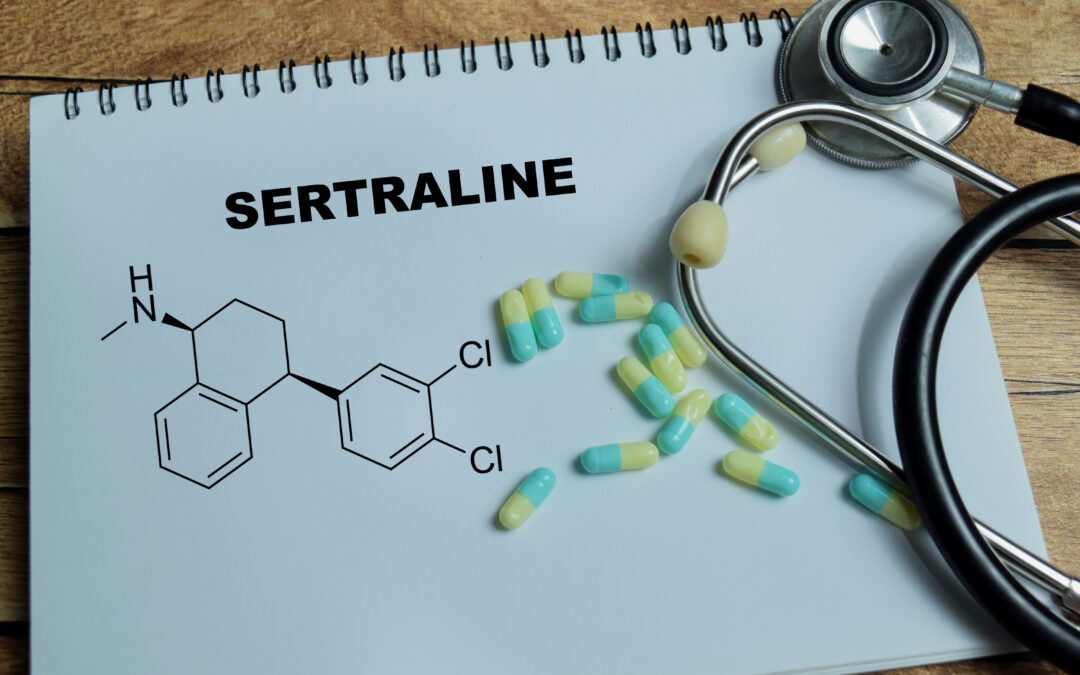
Quick Answer: Weaning off sertraline (Zoloft) requires a gradual taper under medical supervision to reduce withdrawal symptoms and protect your mental health. The safest approach is a personalized plan that slowly lowers your dose while monitoring mood, sleep, and physical symptoms.
At Neurish Wellness, we guide individuals through this process with structured tapering plans, therapy support, and close clinical oversight to help prevent relapse.
If you’re considering stopping sertraline, our team can help you do it safely and confidently. Reach out today to get started.
What Is Sertraline, and Why Do People Stop Taking It?
Sertraline is a selective serotonin reuptake inhibitor (SSRI) used to treat depression, anxiety, PTSD, and other mental health conditions. It works by increasing serotonin levels in the brain, which helps regulate mood and emotional stability.
People may choose to stop taking sertraline because they want to avoid the side effects, they feel stable enough to discontinue, or they want to explore alternative treatments. In some cases, medication adjustments are part of a broader mental health care plan guided by a provider.
Why Is It Important to Wean Off Zoloft Slowly?
Stopping sertraline too quickly can cause withdrawal symptoms known as antidepressant discontinuation syndrome. These symptoms can affect both the body and mind, making abrupt cessation unsafe for many individuals.
When it comes to learning how to wean off Zoloft, a gradual taper is the key. Taking it slow allows your brain chemistry to adjust over time. This reduces the risk of symptoms like dizziness, irritability, insomnia, and mood swings, while also lowering the chance of relapse.
What Happens if You Stop Sertraline Cold Turkey?
Stopping sertraline suddenly can lead to uncomfortable and sometimes severe withdrawal symptoms. The body becomes used to the medication, and removing it abruptly disrupts that balance.
Common effects include flu-like symptoms, brain fog, nausea, and heightened anxiety or depression. In more serious cases, individuals may experience emotional instability or a return of their original symptoms at a higher intensity.
How Do You Safely Wean Off Sertraline?
The safest way to stop taking sertraline is through a structured tapering plan created by a healthcare provider. This typically involves gradually reducing the dose over several weeks or months, depending on how long you’ve been taking it and your current dosage.
At Neurish Wellness, we create individualized taper schedules based on your mental health history, lifestyle, and goals. We monitor your progress closely and adjust your plan as needed to keep you stable and supported throughout the process.

How Long Does It Take to Taper Off Zoloft?
The timeline for tapering off sertraline varies depending on the individual and their dosage. Some people may taper over a few weeks, while others benefit from a slower reduction over several months.
Longer tapering periods are often recommended for individuals who have been on sertraline for an extended time or at higher doses. A slower approach helps minimize withdrawal symptoms and supports long-term success.
What Are Common Withdrawal Symptoms from Sertraline?
Withdrawal symptoms from sertraline can affect both physical and emotional health. These symptoms usually begin within a few days of dose reduction and may last for one to two weeks or longer in some cases.
Common symptoms include dizziness, fatigue, headaches, irritability, anxiety, and sleep disturbances. Some individuals also report “brain zaps,” which feel like brief electrical sensations in the head.
How Can You Manage Withdrawal Symptoms from Zoloft?
Managing withdrawal symptoms involves a combination of medical guidance, lifestyle adjustments, and emotional support. Staying hydrated, maintaining a regular sleep schedule, and reducing stress can help ease the transition.
We support clients with therapy, coping strategies, and ongoing check-ins to address symptoms as they arise. If needed, we adjust tapering schedules to ensure the process remains manageable and safe.
Can You Relapse After Stopping Zoloft?
Relapse is possible after discontinuing sertraline, especially if underlying mental health conditions aren’t fully addressed. Medication often manages symptoms, but long-term recovery requires deeper therapeutic work.
We focus on helping individuals build resilience through evidence-based therapies, coping skills, and personalized care plans. This approach reduces the risk of relapse and supports lasting mental wellness.
When Should You Talk to a Professional?
You should speak with a healthcare provider before making any changes to your sertraline dosage. Professional guidance ensures that your tapering plan is safe and aligned with your mental health needs.
If you’re experiencing withdrawal symptoms, worsening mood, or uncertainty about stopping medication, getting support early can prevent complications. Our team at Neurish Wellness is here to help you navigate every step of the process.
We offer immediate help through our mental health urgent care in Orange County, California, in addition to long-term treatment programs.
How Neurish Wellness Supports You Through the Process
We help individuals safely wean off sertraline by combining clinical expertise with compassionate care. Our approach includes personalized tapering plans, therapy for emotional support, and ongoing monitoring to ensure stability.
We also address the underlying causes of depression and anxiety through holistic, evidence-based treatment. Whether you’re transitioning off medication or exploring new options, we provide the structure and support needed for long-term success.
A Safe Path Forward
Weaning off sertraline is possible with the right plan and support system in place. A gradual taper, combined with professional guidance, can help you avoid withdrawal symptoms and maintain your mental health.
At Neurish Wellness, we’re committed to helping you move forward with confidence. If you’re ready to explore coming off Zoloft safely, contact us today to begin a personalized plan designed around your needs.
FAQs About How to Wean Off Zoloft
Can you wean off Zoloft on your own?
Weaning off Zoloft without medical guidance isn’t recommended because withdrawal symptoms and relapse risks can be difficult to manage alone. Working with a provider ensures your taper is safe, structured, and adjusted as needed.
Does splitting Zoloft tablets help with tapering?
Splitting Zoloft tablets can help create smaller dose reductions during tapering when approved by your provider. This method allows for more precise control over dosage changes and can make the process smoother.
Can diet or supplements help when tapering off sertraline?
Diet and certain supplements may support your body as you learn how to wean off sertraline, but they shouldn’t replace medical guidance. Nutrient-rich foods, hydration, and provider-approved supplements can all help stabilize mood and energy levels.
What should you avoid while tapering off Zoloft?
When it comes to understanding how to taper off Zoloft, you should avoid alcohol, recreational drugs, and sudden lifestyle changes because they can worsen withdrawal symptoms and mood instability. Consistency is key during this transition.
Can stress make Zoloft withdrawal symptoms worse?
Stress can worsen the side effects of weaning off Zoloft by increasing anxiety, sleep issues, and emotional instability. Managing stress through therapy, routine, and relaxation techniques can improve your tapering experience.
Are there alternatives to Zoloft if you still need treatment?
There are alternative medications and therapies available if you still need mental health treatment after stopping Zoloft. A provider can help determine whether another medication or non-medication approach is appropriate.
Cole Dyar is the Executive Director & co-founder of Neurish Wellness. He has been working in the behavioral health field in operational, clinical, organizational, and managerial capacities for thirteen years. He holds a degree from the University of California, Santa Cruz in sociology and is a Licensed Advanced Alcohol and Drug Counselor (LAADC) as recognized by CCAPP. Cole holds a Master of Science in Industrial/Organizational Psychology including: Organizational Leadership and Design, a Post-Masters in General Marriage and Family Therapy, and is currently a doctoral candidate in MFT with an emphasis in Systemic Administration & Entrepreneurship.