

For decades, addiction treatment followed a fairly standardized model. Men and women often entered the same facilities, attended the same group sessions, worked through similar recovery assignments, and were expected to respond to many of the same therapeutic approaches. While that model helped countless people begin the healing process, clinicians have learned something important over time.
Women often arrive in treatment carrying a very different combination of experiences, emotional burdens, relationship patterns, and trauma histories than their male counterparts. Female-only recovery programs are responding to those realities by creating spaces where they can heal alongside other women.
A Dedicated Women’s Rehab Center Feels Different
One of the clearest examples of this shift can be seen in providers like Casa Capri Recovery, a women’s rehab center designed around the unique emotional, psychological, and relational needs that many women bring into treatment. For women who have spent years hiding addiction, entering a female-centered environment can feel very different from entering a traditional mixed-gender setting.
The difference often begins with emotional safety. Many women struggling with substance use are also carrying unresolved trauma or years of self-medication connected to deeper emotional pain. In a women-only setting, conversations that might feel guarded or surface-level elsewhere often become more honest, vulnerable, and clinically productive.
Women may feel more comfortable discussing motherhood, body image, hormonal changes, intimacy struggles, emotional neglect, or abusive relationships without filtering their stories. That level of honesty matters because addiction recovery rarely succeeds when the deeper emotional drivers stay hidden. When women feel seen by peers who understand similar life experiences, healing often becomes less about simply getting sober and more about rebuilding identity, confidence, and emotional stability.
Understanding Levels of Care Matters More Than Most Women Realize
One reason women sometimes delay treatment is confusion around what kind of support they need most. Some assume rehab is only for severe addiction. Others believe outpatient therapy should be enough even when symptoms are escalating. In reality, recovery often begins with choosing the right intensity of care, not just choosing treatment in general.
Understanding the differences between the levels of care outpatient support, intensive outpatient treatment, residential care, crisis stabilization, and longer-term therapeutic environments helps women make decisions based on clinical need rather than fear or stigma.
For some women, weekly therapy may provide exactly the support they need. Others may benefit from intensive outpatient treatment that allows them to maintain responsibilities while receiving structured care. Some may need residential treatment that removes them from overwhelming triggers, unstable relationships, or environments that have kept destructive patterns in place.

Trauma Often Shows Up Differently in Women
Trauma is one of the most common underlying factors in addiction, but its presentation in women is often misunderstood. Trauma does not always appear as dramatic flashbacks or obvious emotional breakdowns.
For many women, trauma may look like chronic anxiety, over-functioning, perfectionism, emotional numbness, difficulty trusting others, fear of conflict, self-blame, or a constant feeling of needing to stay in control. Many women have spent years functioning at a high level while their nervous systems quietly remain in survival mode.
Female-only recovery programs often recognize these patterns earlier because clinicians and peers are trained to see the emotional language of trauma as it commonly appears in women. That creates space for deeper therapeutic work and healthier long-term recovery.

Boundaries Become More Than a Buzzword
Many women entering treatment have heard the word “boundaries” countless times. They may have read books about boundaries, listened to podcasts about boundaries, or even taught boundaries to others. Yet in real life, many still struggle to enforce them consistently.
This is not because women lack awareness. It is often because boundary challenges are deeply connected to attachment patterns, family conditioning, trauma histories, caregiving roles, and long-standing beliefs about worth, love, and responsibility.
Female-only recovery programs often place significant emphasis on helping women move beyond understanding boundaries intellectually and begin practicing them emotionally. This may involve exploring why saying no creates guilt, why conflict feels unsafe, why rescuing others feels familiar, or why self-sacrifice has become part of identity.
Safety Changes the Way Women Engage in Treatment
Safety is not just about physical protection. In recovery, emotional safety often determines how deeply someone is willing to engage in the healing process. If a woman feels judged, dismissed, misunderstood, or emotionally exposed before trust is built, she may share only surface-level information while deeper wounds remain untouched.
Female-only environments often create a different rhythm. Trust tends to build through shared experiences, mutual understanding, and conversations that feel less performative. Women may feel safer discussing sexual trauma, reproductive health, infertility, miscarriage, abusive relationships, postpartum struggles, or deeply personal emotional pain around other ladies. When women feel secure, they are often more willing to confront painful truths.
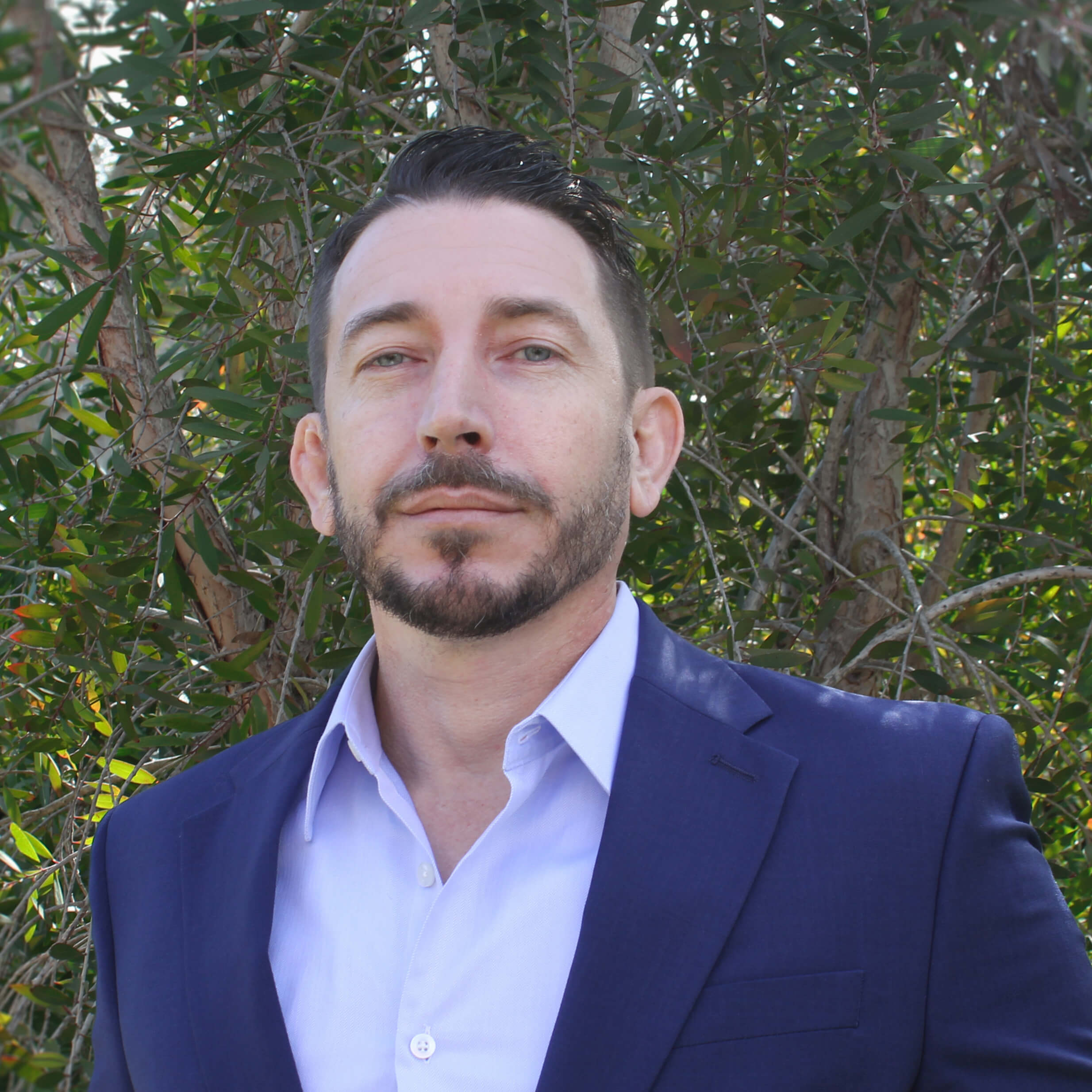
Cole Dyar is the Executive Director & co-founder of Neurish Wellness. He has been working in the behavioral health field in operational, clinical, organizational, and managerial capacities for thirteen years. He holds a degree from the University of California, Santa Cruz in sociology and is a Licensed Advanced Alcohol and Drug Counselor (LAADC) as recognized by CCAPP. Cole holds a Master of Science in Industrial/Organizational Psychology including: Organizational Leadership and Design, a Post-Masters in General Marriage and Family Therapy, and is currently a doctoral candidate in MFT with an emphasis in Systemic Administration & Entrepreneurship.