
If you’ve ever wondered why food feels so complicated—why you can’t just eat when you’re hungry and stop when you’re full—you’re not alone. For a lot of women, eating isn’t just about nutrition or hunger. It’s about safety, control, comfort, or escape. And while that might sound dramatic, it’s actually incredibly common. When you’ve been through something difficult—whether it’s childhood neglect, emotional abuse, sexual trauma, or a long period of anxiety—your brain and body remember. And sometimes, food becomes the coping mechanism that speaks when you can’t find the words.
It’s not a character flaw. It’s not a weakness. It’s a response. And the good news? Once you start to understand that, the whole healing process starts to feel a lot less like a battle and more like a conversation.
The Hidden Connection Between Trauma and the Way We Eat
Trauma isn’t always the big, obvious stuff. Sometimes it’s the chronic, sneaky kind—feeling emotionally unsupported as a kid, living in chaos, or constantly having to earn love or attention. These experiences can rewire your nervous system. Your body learns to live in high-alert mode. And in that mode, eating can start to serve a purpose it was never meant to.
You might find yourself bingeing late at night, not even tasting the food, just chasing the numb. Or maybe you go the other way—eating as little as possible, needing to feel in control of something when the rest of life feels too big or too uncertain. That’s not you being “crazy.” That’s your body doing its best to protect you, even if the method is harmful in the long run.
When women grow up in environments where their needs are ignored or mocked, they often develop a weird relationship with their own hunger—physical, emotional, all of it. Some start to feel like they don’t deserve to eat. Others feel like they’re never allowed to stop. Trauma, especially in women, tends to show up in the places where we’re taught we should be “disciplined”: food, bodies, emotions, relationships. And it doesn’t just go away because you’ve decided to be healthy. It heals when you begin to understand what it was trying to protect you from.
Mental Health Is More Than a Side Issue—It’s the Core
It’s almost impossible to untangle eating disorders from mental health issues. Anxiety, depression, PTSD—they often walk hand-in-hand with disordered eating. Sometimes food becomes the only predictable thing in someone’s day. Other times, it’s the enemy, the thing that gets blamed for every problem. Either way, it’s not really about food.
Depression can dull appetite until eating feels like a chore. Anxiety can tighten your stomach until you feel sick. And trauma? Trauma does something wild. It makes you disconnect from your body entirely. You might not even notice hunger cues. You might feel disgusted by food, or panicked around it. That’s not about discipline. That’s about survival mechanisms getting misfired.
So when someone says “just eat” or “just stop eating,” they’re ignoring the whole mental health iceberg underneath. No one develops an eating disorder in a vacuum. It’s not about vanity. It’s about pain that hasn’t found another outlet. And until we make space for the mental health conversations, recovery will always feel like a surface-level fix to a deep emotional wound.
That’s also why women struggle to get sober so often overlaps with disordered eating patterns. The same trauma, the same unhealed pain—it just swaps substances. The goal is never just to stop the behavior. The real goal is to understand the wound it was covering up.

The Role of Shame—and How to Kick It Out of the Driver’s Seat
Shame is sticky. It clings. And women, in particular, are fed a double helping of it when it comes to food and body image. If you’ve ever felt ashamed for eating too much, too little, too often, too emotionally—congrats, you’re human. That shame, though? It doesn’t actually help you change. It just keeps the cycle going.
Most women who’ve struggled with an eating disorder also carry deep shame from earlier life experiences. It might be about their bodies, their emotions, or even things they were told not to talk about. That silence makes shame grow. And when shame grows, so does the need to control something. Enter food.
Breaking out of that cycle isn’t about being stronger. It’s about being softer. With yourself. With your story. With your needs. The moment you stop treating your eating patterns as a problem to fix and start treating them as a signal to listen to, everything shifts. It doesn’t happen overnight, but it does happen.
Finding Safety First—Then Everything Else Can Follow
Here’s the part that matters most: you cannot heal in an environment that feels unsafe. Period. You need people who get it, not people who shame you. You need tools that speak to your nervous system, not just your brain. That might look like trauma-informed therapy, gentle nutrition support, or a space that understands the complex ways mental health, addiction, and eating disorders intersect.
For example, Casa Capri in Newport Beach, California offers women a healing environment that doesn’t just treat the symptoms. It digs deeper. It honors the why. And it helps women reconnect to a version of themselves that isn’t ruled by old pain. That kind of care matters. It changes the outcome.
Not every woman has access to that exact kind of treatment, but the philosophy behind it can still guide recovery. You don’t need to be fixed. You need to feel safe enough to let go of the coping tools that no longer serve you. Safety first. Healing follows.
Letting Yourself Heal at Your Own Pace
Recovery isn’t a one-size-fits-all timeline. Some days will feel like huge wins. Others will feel like nothing’s changed at all. But every time you choose to care for yourself—by eating, by resting, by reaching out, by forgiving your past—you’re building new connections in your brain. You’re telling your body, “I’m listening now.”
And that’s the most powerful shift of all. Not perfection. Not control. Just presence. Just care.
Your Story Deserves to Be Heard
If your relationship with food feels messy, that doesn’t mean you’re broken. It means you’ve lived. And it means you’re still here, still showing up, still trying. That matters. That’s enough.
You’re not too far gone. You’re not too complicated. You’re allowed to take up space. And you’re allowed to heal—even if it takes longer than you think it should.
You’re not alone. And you never were.
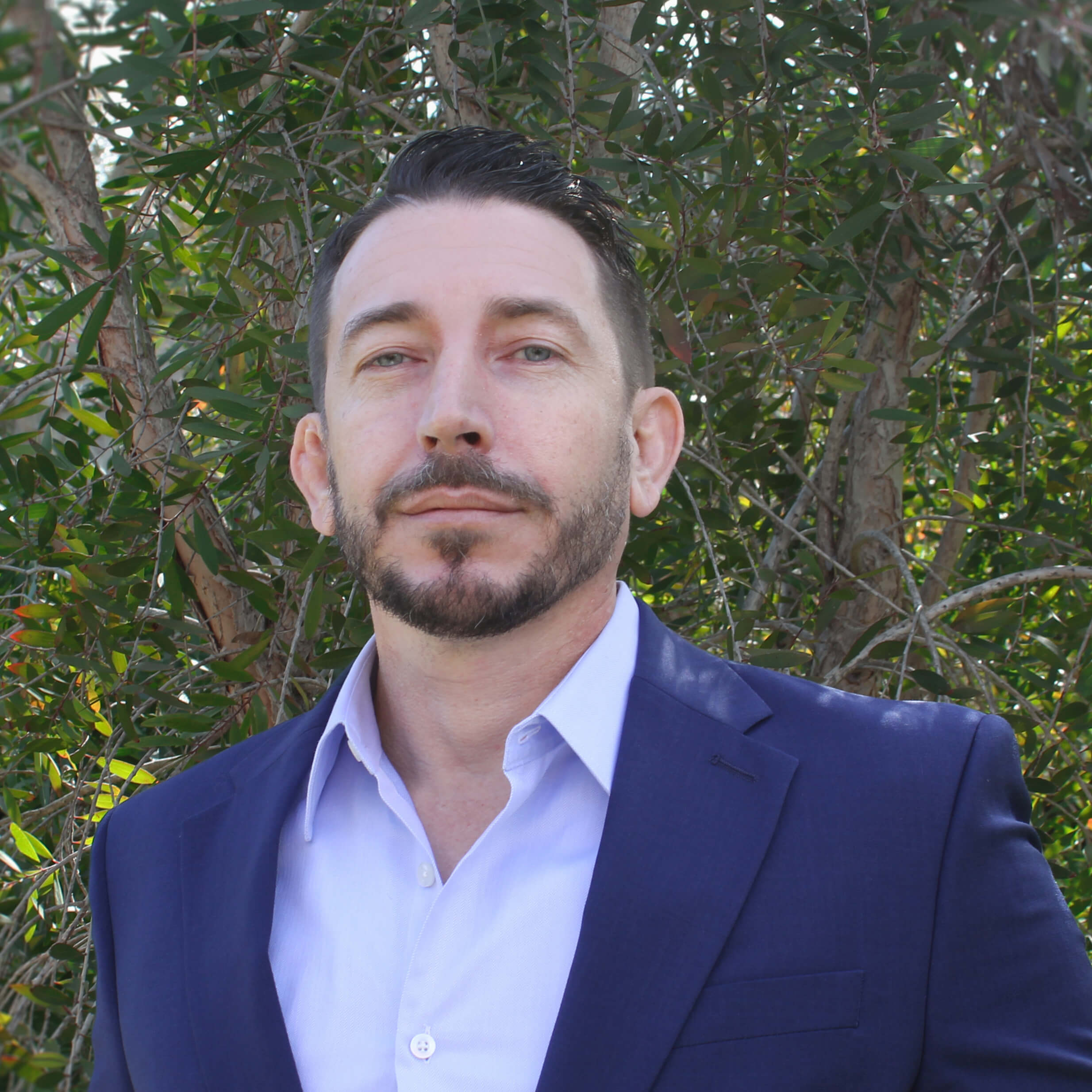
Cole Dyar is the Executive Director & co-founder of Neurish Wellness. He has been working in the behavioral health field in operational, clinical, organizational, and managerial capacities for thirteen years. He holds a degree from the University of California, Santa Cruz in sociology and is a Licensed Advanced Alcohol and Drug Counselor (LAADC) as recognized by CCAPP. Cole holds a Master of Science in Industrial/Organizational Psychology including: Organizational Leadership and Design, a Post-Masters in General Marriage and Family Therapy, and is currently a doctoral candidate in MFT with an emphasis in Systemic Administration & Entrepreneurship.