
More people than you think quietly battle anxiety, depression, or burnout while wondering if it’s safe to ask for time off. The fear of losing a job or being misunderstood often keeps people from getting the help they need. Understanding your rights for a mental health leave of absence in Texas can empower you to protect your well-being, focus on recovery, and return to work with renewed balance and confidence.
Your Rights for a Mental Health Leave of Absence in Texas
Texas is an employment-at-will state, which means there’s no state-mandated family or medical leave law. However, federal protections, such as the Family and Medical Leave Act (FMLA) and the Americans with Disabilities Act (ADA), allow eligible employees to take time off or request accommodations for serious mental health conditions. These laws ensure that you can prioritize recovery without jeopardizing your job or benefits.
How the FMLA Protects Your Mental Health Leave in Texas
The Family and Medical Leave Act (FMLA) allows eligible employees to take up to 12 weeks of unpaid, job-protected leave for serious health conditions, including mental health disorders such as depression, anxiety, or PTSD. To qualify, you must:
- Work for an employer with 50 or more employees within a 75-mile radius
- Have worked for the same employer for at least 12 months
- Have completed at least 1,250 hours of work in the past year
When to Request a Mental Health Leave of Absence in Texas
If your mental health condition prevents you from performing essential job duties or disrupts your daily life, you may qualify for protected leave. Some common qualifying conditions include:
- Major depressive disorder (MDD)
- Generalized anxiety disorder
- Post-traumatic stress disorder (PTSD)
- Bipolar disorder
- Panic disorder or severe stress-related conditions
How the ADA Supports Mental Health Leave in Texas
The ADA protects employees whose mental health condition significantly limits one or more major life activities. While it doesn’t guarantee a specific amount of leave, it does require employers to provide reasonable accommodations that support recovery and job performance.
These accommodations might include flexible scheduling, a reduced workload, temporary remote work, or a short leave of absence. The ADA also prohibits workplace discrimination based on mental health, ensuring you can seek treatment without fear of retaliation.
Getting Paid During a Mental Health Leave in Texas
Because Texas doesn’t have a state disability insurance program, paid mental health leave of absence depends entirely on your employer’s benefits. Some employers offer short-term disability (STD) coverage that replaces a portion of your income during medical leave, while others allow you to use paid time off (PTO) or sick days to maintain earnings.
In certain cases, companies may also provide additional mental health or wellness leave beyond federal requirements. If your absence extends for several weeks, you may need to apply for STD benefits through your employer’s insurance provider to ensure partial wage replacement.

Step-by-Step Guide to Requesting Mental Health Leave in Texas
Requesting a protected mental health leave of absence in Texas can be intimidating, but it’s important to follow a clear process to secure your rights. This guide simplifies how to request a mental health leave in Texas while maintaining your privacy and meeting legal requirements.
1. Consult a Licensed Healthcare Provider
Schedule an appointment with a qualified professional who can evaluate your condition and provide medical certification if needed.
2. Review Your Rights
Determine whether you qualify for leave under the FMLA, ADA, or your company’s internal leave policy.
3. Speak with HR or Your Supervisor
Communicate your need for leave clearly but confidentially. You’re not required to share detailed medical information.
4. Submit Documentation
Provide your healthcare provider’s certification or any forms requested by your employer to support your leave request.
5. Stay in Communication
Keep your employer updated if your recovery plan changes or if you need additional time off. Remember that your diagnosis remains private; your employer only receives essential information for approval.
Returning to Work After Mental Health Leave. Is Your Job Safe?
If you’ve taken protected mental health leave of absence in Texas under FMLA or ADA, your employer must reinstate you to your previous position or a similar one. Some workplaces may ask for a fitness-for-duty certification before your return. Open communication about any ongoing needs or accommodations can help ensure a smoother transition back to work. If you successfully secured a mental health leave in Texas using FMLA, your return is legally protected.
Next Steps for Recovery and Treatment
Taking a mental health leave of absence in Texas is a courageous act of self-care and a crucial step toward healing. At Neurish Wellness, we offer a wide range of services, including evidence-based therapeutic approaches, holistic modalities, and customized treatment plans tailored to your specific needs.
Reach out today to learn more about professional mental health treatment and take your first step toward wellness.
FAQs About Mental Health Leave of Absence in Texas
Can part-time employees take mental health leave?
Yes, but eligibility depends on how many hours you’ve worked and your employer’s size. FMLA and ADA protections apply under specific conditions.
What happens if my employer denies my mental health leave request?
If denied, we recommend requesting a written explanation and checking your eligibility under FMLA or ADA. You can file a complaint with the U.S. Department of Labor or the EEOC if you believe your rights were violated.
Can I be fired for taking mental health leave?
No, it’s illegal under FMLA and ADA for an employer to fire or retaliate against an employee who takes protected leave.
Do I need a doctor’s note to request leave?
Yes, your healthcare provider must confirm that your condition meets FMLA or ADA requirements, but you don’t need to disclose your specific diagnosis.
What if I don’t qualify for FMLA?
You may still be protected under the ADA or your employer’s own policies. Discuss your options with HR or your provider to explore alternative accommodations.
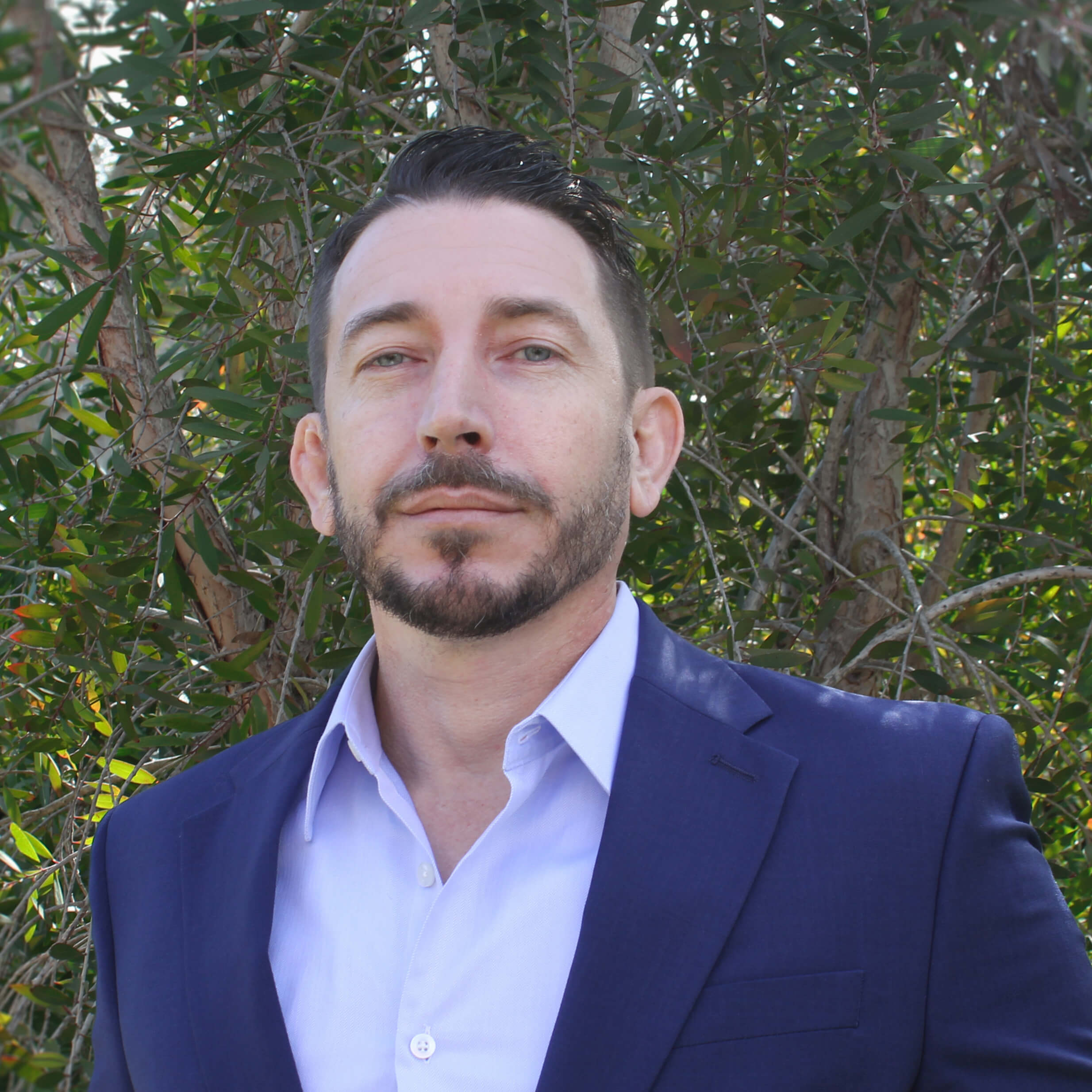
Cole Dyar is the Executive Director & co-founder of Neurish Wellness. He has been working in the behavioral health field in operational, clinical, organizational, and managerial capacities for thirteen years. He holds a degree from the University of California, Santa Cruz in sociology and is a Licensed Advanced Alcohol and Drug Counselor (LAADC) as recognized by CCAPP. Cole holds a Master of Science in Industrial/Organizational Psychology including: Organizational Leadership and Design, a Post-Masters in General Marriage and Family Therapy, and is currently a doctoral candidate in MFT with an emphasis in Systemic Administration & Entrepreneurship.