
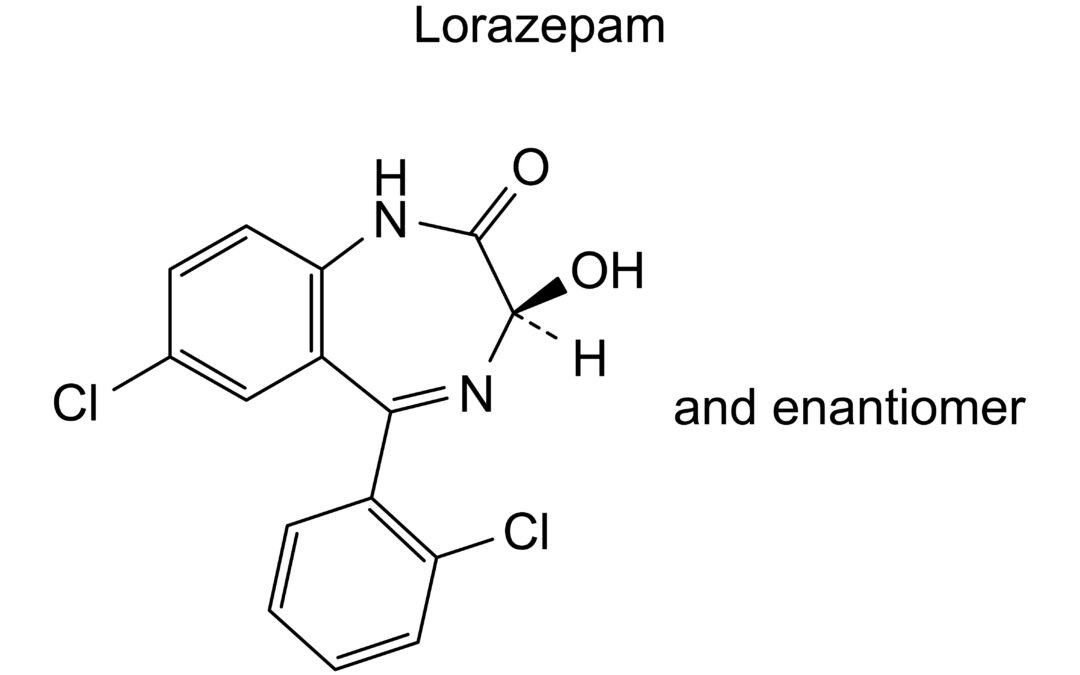
Lorazepam, often recognized by the brand name Ativan, is a medication frequently prescribed to help relieve anxiety and calm an overactive nervous system. As an anxiolytic drug in the benzodiazepine family, it works by slowing activity in the brain and central nervous system. For many people living with anxiety disorders, panic attacks, or intense stress, taking lorazepam can provide rapid relief when anxiety symptoms begin to feel overwhelming.
While lorazepam can be helpful when used as directed, the body can gradually adapt to its presence. Over time, this adjustment can lead to physical dependence, meaning the brain begins to rely on the medication to maintain balance. When someone suddenly stops taking lorazepam or reduces their dose too quickly, lorazepam withdrawal symptomsmay begin to appear.
Ativan withdrawal can feel confusing or frightening, particularly for individuals who began taking the medication to manage anxiety in the first place. Understanding why withdrawal happens and what symptoms may occur can help people approach the process with more clarity and support.
If you or someone you care about is experiencing Ativan withdrawal, you do not have to face it alone. The team at Neurish Wellness works with adults navigating the mental health challenges that can accompany benzodiazepine withdrawal. Reach out today to learn how our clinical team can support your next step toward healing.
Understanding Lorazepam Withdrawal Symptoms
Before discussing lorazepam withdrawal symptoms, it helps to understand how the medication works and why discontinuing it can cause discomfort.
What Is Lorazepam?
Lorazepam is a prescription medication in the benzodiazepine family, a group of drugs designed to calm the central nervous system and relieve anxiety. Doctors often prescribe lorazepam tablets to help manage panic attacks, anxiety disorders, insomnia related to anxiety, or short-term periods of extreme stress.
In some medical settings, lorazepam may also be administered intravenously to help control agitation or seizures. In outpatient settings, it is most commonly prescribed in tablet form, though extended release capsules may also be used in certain situations.
Because lorazepam works directly on the brain’s calming pathways, it can quickly reduce anxiety symptoms, lower blood pressure during periods of acute stress, and help people feel more relaxed. For individuals experiencing severe anxiety, this effect can feel like a lifeline.
However, medications that act so strongly on the nervous system can also create benzodiazepine dependence when taken regularly over time. As the brain becomes accustomed to the medication, stopping suddenly can trigger benzodiazepine withdrawal syndrome, a condition that involves both physical and psychological symptoms.
Why Do Lorazepam Withdrawal Symptoms Occur?
Lorazepam withdrawal symptoms occur because the brain has adjusted to the calming effects of the medication. When someone has been taking lorazepam for an extended period, the nervous system becomes used to the presence of the drug.
If the medication is reduced too quickly or stopped abruptly, the brain must suddenly function without the chemical support it has grown accustomed to. This shift can lead to benzodiazepine withdrawal, which affects the central nervous system and can trigger both emotional and physical reactions.
In many cases, the nervous system becomes temporarily overactive during withdrawal. This can lead to rebound symptoms, such as rebound anxiety or a sudden return of anxiety symptoms that feel stronger than before.
Because benzodiazepine withdrawal can sometimes cause severe withdrawal symptoms, medical professionals generally recommend gradually tapering the medication under the supervision of a healthcare provider rather than stopping abruptly.
“I can’t describe into words how amazing this place was for me. From the very beginning everything was handled. From insurance, to my flight, to my ride from the airport. It was all so seamless! The staff is the absolute shining star of this review! Truly an amazing collection of people. Whoever does the hiring for this team should be given a raise. They all should really. The staff is truly caring, insightful, knowledgeable, and made me feel valued as a human not as a “customer”. Please if you get the chance. Come here. You will not regret it!”
“My experience at Neurish wellness was absolutely amazing. Just what I needed to get on the right track. Everyone there is so kind and thoughtful. They are willing to help with anything you need to help you achieve your goals. I highly recommend them. I’m in a OHO program now and continuing on my journey. I truly miss them. They continue to check on me.”
“The staff at Neurish are incredibly professional, knowledgeable, and genuinely caring. They took the time to understand my needs and tailored their services to ensure I received the best possible care. The facilities are top-notch, clean, and beautifully designed to create a serene and tranquil environment. I highly recommend Neurish Wellness.”
Common Symptoms Of Ativan Withdrawal
Withdrawal from lorazepam can affect both the body and the mind. The symptoms someone experiences often depend on how long they have been taking lorazepam, the dose involved, and whether other drugs or substances such as alcohol were used at the same time.
Physical Symptoms
Many individuals begin experiencing withdrawal symptoms that affect the body as the medication leaves their system. These physical symptoms may include headaches, nausea, sweating, and increased blood pressure as the central nervous system adjusts.
Some people notice tremors, muscle tension, stomach discomfort, or fatigue. Sleep disruptions are also common, and individuals may develop insomnia or other sleep disturbances. In certain cases, appetite changes during withdrawal can lead to weight loss.
More serious reactions can also occur during severe withdrawal. Some individuals experience confusion, trouble breathing, or respiratory depression, particularly if other drugs or substances are involved. Individuals who drink alcohol or combine benzodiazepines with muscle relaxants may be at higher risk for complications.
Because benzodiazepines affect the same areas of the brain involved in alcohol withdrawal, the withdrawal process can sometimes resemble symptoms seen during alcohol detox.
Psychological Symptoms
Alongside physical discomfort, psychological symptoms can play a major role during Ativan withdrawal. Some individuals experience intense rebound anxiety, irritability, or a return of the anxiety disorders the medication was originally prescribed to treat.
People going through Ativan withdrawal may also notice mood swings, depression, or difficulty concentrating. In more severe cases, severe anxiety or panic attacks can occur as the brain attempts to regulate stress responses without the medication.
These reactions can be especially challenging because they often feel like a worsening of the very mental health symptoms someone was trying to manage when they first began taking lorazepam.
How Long Do Lorazepam Withdrawal Symptoms Last?
The length of lorazepam withdrawal symptoms varies from person to person. Factors such as dosage, duration of use, individual health, and whether other drugs or alcohol were involved can all influence the timeline.
Unlike some short acting benzodiazepines, lorazepam has an intermediate duration of action. This means withdrawal symptoms may appear within a day or two after the last dose and can continue for several weeks as the nervous system stabilizes.
Acute Withdrawal Phase
During the early phase of Ativan withdrawal, many people experience acute withdrawal symptoms as the medication leaves the body. Anxiety, sleep problems, irritability, and other physical discomforts often become most noticeable during this stage.
Protracted Withdrawal
After the acute phase, some individuals experience protracted withdrawal, which can include lingering anxiety, sleep disruption, and mood fluctuations. These protracted withdrawal symptoms may come and go as the brain continues adjusting.
While protracted withdrawal can be frustrating, symptoms generally become less intense over time as the nervous system slowly returns to balance.

Lorazepam Withdrawal Symptoms Timeline
First 12–24 Hours
For individuals who have been regularly taking lorazepam, early Ativan withdrawal symptoms may begin within the first day after the last dose. People may notice restlessness, irritability, or rebound anxiety as the calming effects of the medication begin to fade. Difficulty sleeping and mild increases in blood pressure are also common during this early phase.
Days 2–5
During the next several days, acute withdrawal symptoms often intensify. Many individuals experience increased anxiety symptoms, headaches, sweating, tremors, and difficulty concentrating. Sleep disruption can worsen, and some people develop heightened sensitivity to light or sound.
For some individuals, this stage may involve severe withdrawal symptoms, particularly if the medication was taken at high doses or combined with other drugs. In rare cases, confusion, trouble breathing, or seizures may occur.
Days 6–14
During the second week, the nervous system gradually begins to stabilize. While Ativan withdrawal symptoms may still be present, the intensity often begins to decline. Some people still experience mood swings, fatigue, or lingering anxiety symptoms during this stage.
Weeks 3–6
Many individuals notice gradual improvement as the brain recalibrates. However, intermittent anxiety, sleep disturbances, and difficulty concentrating may still occur while the nervous system continues adjusting after benzodiazepine withdrawal.
Months 1–3 Or Longer
For some individuals, protracted withdrawal symptoms may appear during this later stage. This form of protracted withdrawal can include occasional anxiety, sleep disruption, or emotional sensitivity as the brain continues healing from benzodiazepine withdrawal syndrome.
Although these symptoms can feel discouraging, they generally improve over time as the central nervous system returns to equilibrium.
Managing Ativan Withdrawal Symptoms
Managing Ativan withdrawal safely often requires a combination of medical guidance, therapeutic support, and healthy lifestyle adjustments. Because benzodiazepines directly affect brain chemistry, professional support is often important during the recovery process.
Medical Supervision
Consulting a healthcare provider before stopping lorazepam is essential. Gradually tapering the medication can significantly reduce the risk of severe withdrawal symptoms such as seizures, respiratory depression, or extreme anxiety.
Medical professionals may also evaluate whether other drugs, including muscle relaxants or sleep medications, could complicate the withdrawal process.
Therapy And Addiction Treatment
For individuals dealing with substance use disorder or benzodiazepine dependence, therapy can play an important role in recovery. Structured addiction treatment programs provide emotional support while helping individuals address the mental health concerns that may contribute to medication misuse.
Treatment often focuses on building coping strategies, managing anxiety disorders without reliance on medication, and developing a sustainable path forward.
Lifestyle Support
Healthy routines can also make a meaningful difference during withdrawal. Regular sleep habits, proper hydration, and supportive counseling can help stabilize the nervous system. Individuals with underlying health conditions such as sleep apnea may also benefit from medical evaluation during recovery.
How Neurish Wellness Can Help
At Neurish Wellness, we understand how overwhelming Ativan withdrawal and benzodiazepine withdrawal can feel. When someone has relied on a medication like lorazepam to manage anxiety or stress, stopping the medication can bring both physical discomfort and emotional instability.
Although Neurish Wellness does not provide medical detox, our clinical team frequently supports clients who are navigating the mental health challenges that arise during and after benzodiazepine withdrawal. Once the immediate medical risks have been addressed, many individuals need ongoing support to rebuild emotional stability and develop healthier coping strategies.
Our programs focus on treating the underlying mental health conditions that often accompany benzodiazepine dependence. Through therapy, psychiatric care, and holistic wellness approaches, we help clients regain balance as their nervous system continues healing.
Recovery is not only about moving through withdrawal. It is about learning how to manage anxiety and stress in sustainable ways without relying on medication alone. At Neurish, clients are supported in a compassionate environment where they can rebuild confidence, strengthen emotional resilience, and move forward with clarity.
If you or someone you love is struggling with the mental health effects of Ativan withdrawal, the team at Neurish Wellness is here to help.
The Next Step
Lorazepam withdrawal symptoms can be physically and emotionally challenging, but recovery is possible with the right support. Understanding how Ativan withdrawal works, seeking medical guidance, and accessing professional care can make the process far safer and more manageable.
If you are concerned about benzodiazepine withdrawal, anxiety disorders, or other mental health challenges, Neurish Wellness can help you take the next step toward healing.
FAQs About Lorazepam Withdrawal Symptoms
What are the most common lorazepam withdrawal symptoms?
Common lorazepam withdrawal symptoms include increased anxiety, irritability, insomnia, headaches, sweating, nausea, and restlessness. Some individuals also experience trembling, muscle tension, and difficulty concentrating as the body adjusts to the absence of the medication. These withdrawal symptoms can vary depending on how long someone has been taking lorazepam, the dose involved, and whether other substances such as alcohol or other drugs were used at the same time.
Why does Ativan withdrawal happen?
Ativan withdrawal occurs because the brain develops physical dependence on the medication over time. Lorazepam is an anxiolytic drug that affects the central nervous system by slowing brain activity and reducing anxiety symptoms. When someone who has been taking lorazepam regularly suddenly stops or lowers their dose too quickly, the nervous system may struggle to regain balance. This can trigger a range of benzodiazepine withdrawal symptoms as the body readjusts.
How long do Ativan withdrawal symptoms last?
The timeline for Ativan withdrawal varies depending on the individual. Because lorazepam is not one of the longest acting benzodiazepines, withdrawal symptoms may begin within one to two days after the last dose. Acute withdrawal symptoms often peak within the first week, while some individuals experience lingering effects such as anxiety, sleep disruption, or mood changes for several weeks. In some cases, people experience protracted withdrawal symptoms, which may appear intermittently as the nervous system continues healing.
Can lorazepam withdrawal be dangerous?
Yes, benzodiazepine withdrawal can sometimes be dangerous, particularly for people who have been taking lorazepamat high doses or for long periods of time. In certain cases, individuals may develop severe withdrawal symptoms such as seizures, confusion, or significant agitation. Because of these risks, healthcare providers typically recommend gradually tapering the medication rather than stopping it suddenly.
What is benzodiazepine withdrawal syndrome?
Benzodiazepine withdrawal syndrome refers to the collection of physical and psychological symptoms that can occur when someone stops or rapidly reduces medications like lorazepam. Symptoms may include rebound anxiety, sleep disturbances, irritability, and difficulty concentrating. In more severe cases, individuals may experience intense agitation, panic attacks, or other symptoms that require medical attention.
What does protracted withdrawal mean?
Protracted withdrawal describes a longer period of recovery that some individuals experience after the initial withdrawal phase. During this stage, protracted withdrawal symptoms such as intermittent anxiety, sleep disruption, mood changes, or cognitive difficulties may continue for weeks or months. Although these symptoms can be frustrating, they often improve gradually as the brain and nervous system continue to recover from benzodiazepine withdrawal.
Are there medications or substances that interact with lorazepam?
Yes. Certain medications and substances can increase the risk of complications while taking lorazepam. CNS depressants, muscle relaxants, sleeping medications, and alcohol can intensify the effects of benzodiazepines and increase the risk of respiratory depression or trouble breathing. Anyone taking lorazepam should discuss other drugs, supplements, and alcohol use with their healthcare provider to ensure safety.
Can lorazepam affect breathing or sleep conditions?
In some cases, lorazepam and other benzodiazepines can affect breathing patterns, especially when combined with alcohol or other sedating medications. Individuals with sleep apnea or respiratory conditions may be at higher risk for complications. Because lorazepam slows activity in the central nervous system, healthcare providers often evaluate breathing and sleep health before recommending long-term use.
When should someone seek treatment for Ativan dependence?
If someone is struggling to reduce their dose, experiencing repeated withdrawal symptoms, or using lorazepam in ways not directed by a healthcare provider, it may be time to seek professional support. Addiction treatment and mental health programs can help individuals address benzodiazepine dependence, manage withdrawal safely, and develop healthier ways to cope with anxiety disorders and stress.

Cole Dyar is the Executive Director & co-founder of Neurish Wellness. He has been working in the behavioral health field in operational, clinical, organizational, and managerial capacities for thirteen years. He holds a degree from the University of California, Santa Cruz in sociology and is a Licensed Advanced Alcohol and Drug Counselor (LAADC) as recognized by CCAPP. Cole holds a Master of Science in Industrial/Organizational Psychology including: Organizational Leadership and Design, a Post-Masters in General Marriage and Family Therapy, and is currently a doctoral candidate in MFT with an emphasis in Systemic Administration & Entrepreneurship.