
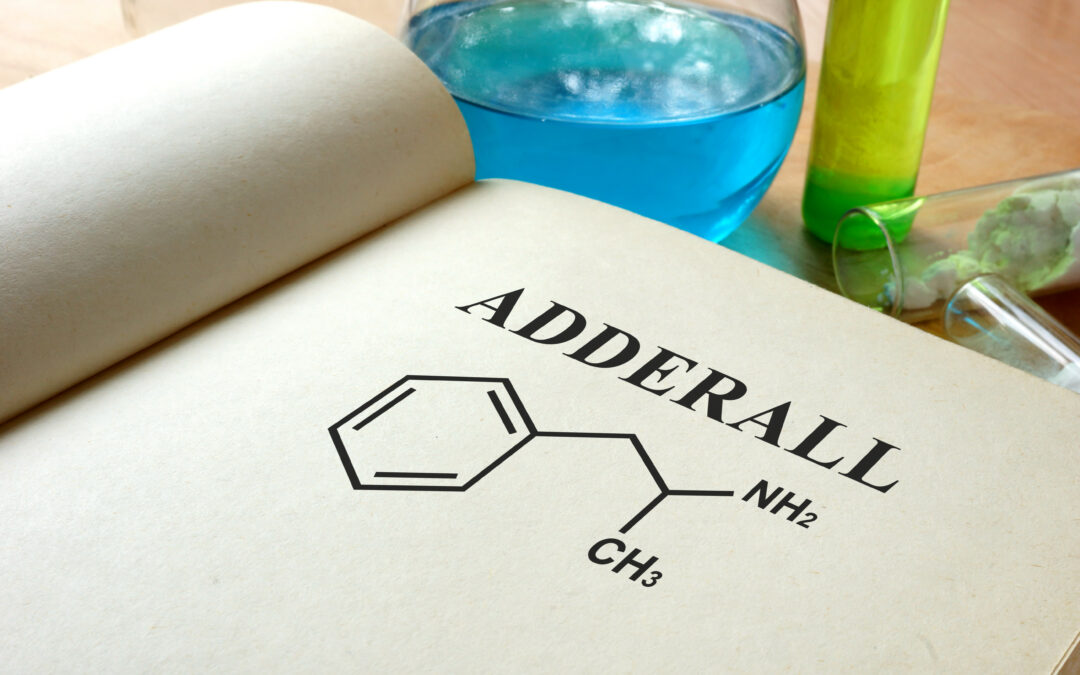
Adderall is one of the most commonly prescribed medications for people living with attention deficit hyperactivity disorder. Made from dextroamphetamine and amphetamine, the prescription stimulant helps people improve focus, reduce impulsivity, and better manage daily responsibilities. For individuals with deficit hyperactivity disorder (ADHD), the medication can make it easier to complete tasks, stay organized, and function more consistently at work, school, and home.
Adderall comes in more than one form, including Adderall IR, which is immediate release, and Adderall XR, which is an extended release version designed to last longer throughout the day. Whether someone is taking an extended release capsule, an immediate release tablet, or a generic version, the medication affects the brain and body in noticeable ways. Because dextroamphetamine and amphetamine are central nervous system stimulants, they increase alertness and energy while helping many adults manage the symptoms of attention deficit hyperactivity disorder.
But when someone has been taking Adderall regularly, especially for a long time or at high doses, the body can begin adjusting to its presence. When the medication is suddenly stopped or reduced too quickly, Adderall withdrawal symptoms can begin.
Understanding Adderall withdrawal can make the process feel much less confusing. Below, we’ll walk through the most common symptoms, how the timeline often unfolds, and how professional support can help people recover while protecting their mental illness and overall mental health. If you or someone you love is struggling with Adderall withdrawal, Neurish Wellness is here to help. Our team works with adults who need support after stimulant misuse or dependence, including those dealing with anxiety, depression, trauma, and co-occurring mental illness. Call Neurish Wellness today to learn how we can support your next step.
Understanding Adderall Withdrawal Symptoms
Before discussing Adderall withdrawal symptoms, it helps to understand what this medication is, how it works, and why stopping it can feel so difficult.
What Is Adderall?
Adderall is a stimulant medication made from dextroamphetamine and amphetamine. More specifically, it contains mixed amphetamine salts, and some related stimulant formulations may include ingredients such as amphetamine sulfate or dextroamphetamine sulfate. These medications are used to treat ADHD, and they are also sometimes prescribed for narcolepsy. Because dextroamphetamine and amphetamine affect brain chemicals tied to attention, motivation, and alertness, they can help treat attention deficit hyperactivity symptoms in both adolescents and adults, though Neurish works specifically with adults.
For adults living with attention deficit hyperactivity disorder, the right medication can make a meaningful difference. It may improve attention, support impulse control, and decrease restlessness. Many adults who take Adderall XR or Adderall IR say the medication helps them feel more capable, more focused, and less overwhelmed by daily life. The extended release form is often taken once daily, while immediate release versions may be taken more than once depending on the prescribed dose.
This medication is available in brand-name and generic drugs, including a generic version made from dextroamphetamine and amphetamine. It is taken by the oral route, and each form should be used according to the prescription label and medication guide. Because dextroamphetamine and amphetamine are potent central nervous system stimulants, they can also affect the heart, appetite, sleep, and mood. That is one reason prescribers carefully monitor blood pressure, weight, and side effects while someone is taking Adderall.
Why Do Adderall Withdrawal Symptoms Occur?
Adderall withdrawal symptoms occur because the brain and body have adapted to the presence of dextroamphetamine and amphetamine. While someone is taking Adderall, the medication increases activity in certain brain pathways tied to energy, alertness, and reward. Over time, the brain may come to rely on that extra stimulation, especially if someone has been taking the medication for a long period, using it outside of medical guidance, or taking high doses.
When dextroamphetamine and amphetamine are suddenly removed, the brain has to function without the stimulation it has gotten used to. This can lead to the classic withdrawal effects associated with stimulant medications: fatigue, low mood, irritability, and trouble thinking clearly. In some cases, Adderall withdrawal can also unmask underlying conditions such as anxiety, depression, or another mental illness that had been hidden or partially managed while the medication was active.
This is also why Adderall withdrawal can be so emotionally difficult. Some people are not only dealing with the absence of dextroamphetamine and amphetamine, but also the return of the very symptoms that led them to treat ADHD in the first place. Others may find that stimulant misuse worsened existing problems like bipolar disorder, severe anxiety, or other mental illness concerns. For individuals with a history of drug abuse or substance use disorders, the crash can feel especially intense.
“This place has been incredible. All the staff here have been so helpful, attentive, kind, and welcoming. Thank you for what you have provided for me. I encourage anyone who comes into Neurish that they’re open to the process and find the healing that they so deserve.”
“Wonderful staff with each day I felt great improvement. Well structured and comprehensive training for self improvement. Thank you Neurish. Look forward to my after program.”
“I can’t describe into words how amazing this place was for me. From the very beginning everything was handled. From insurance, to my flight, to my ride from the airport. It was all so seamless! The staff is the absolute shining star of this review! Truly an amazing collection of people. Whoever does the hiring for this team should be given a raise. They all should really. The staff is truly caring, insightful, knowledgeable, and made me feel valued as a human not as a “customer”. Please if you get the chance. Come here. You will not regret it!”
Common Symptoms Of Adderall Withdrawal
Withdrawal from stimulant medications can affect both the mind and body. The symptoms often depend on how long someone has been taking Adderall, whether they were using Adderall XR or Adderall IR, the typical dose, and whether other substances or other medications were involved.
Physical Symptoms
Many people first notice physical exhaustion. Because dextroamphetamine and amphetamine stimulate the body, stopping them can leave someone feeling depleted. Common physical symptoms include fatigue, excessive daytime sleepiness, weight loss rebound through increased appetite, body heaviness, and difficulty getting through the day. Some people also experience headaches, stomach pain, or a cold feeling in the body as they adjust.
Sleep disruption is also common, though it can go in more than one direction. Some individuals struggle with excessive daytime sleepiness, while others feel restless and unable to settle into restorative sleep. Appetite often changes as well. Many people who were taking Adderall experienced weight loss while on the medication, then notice hunger returning more strongly during withdrawal.
People who have underlying medical issues may need closer supervision. Heart disease, coronary artery disease, blood vessel disease, kidney disease, and an overactive thyroid can all complicate the way stimulant medications affect the body. While someone is actively taking Adderall, prescribers often monitor blood pressure, high blood pressure, irregular heartbeat, chest pain, and the risk of heart attack or even sudden death in vulnerable individuals. These concerns are part of why anyone with a strong family history of cardiac issues, heart disease, or sudden death should work closely with a doctor or healthcare provider before starting or stopping stimulant treatment.
More serious physical symptoms are less common during withdrawal itself, but emergency symptoms should always be taken seriously. If someone has chest pain, trouble breathing, rapid breathing, fainting, or signs of irregular heartbeat, they need prompt medical evaluation. These can overlap with stimulant misuse, panic, or overdose symptoms, and they should never be ignored.
Psychological Symptoms
The emotional and cognitive side of Adderall withdrawal is often the hardest part. Many people feel suddenly flat, unmotivated, or emotionally raw. Common psychological symptoms include low mood, irritability, mood swings, lack of motivation, and mental fog. Some people describe it as feeling like their brain has gone dim after relying on dextroamphetamine and amphetamine for so long.
In more difficult cases, people may experience severe depression, severe anxiety, hopelessness, or an unusual sense of emotional emptiness. Some people feel agitated or have trouble sitting still, while others feel the opposite and can barely get out of bed. Withdrawal symptoms can also include concentration problems, reduced cognitive performance, and difficulty returning to normal routines after taking Adderall regularly.
For some individuals, stimulant misuse can worsen or trigger co-occurring psychiatric issues. That is especially important for adults with bipolar disorder, depression, trauma histories, or another mental illness. In some cases, people may also feel panicky, emotionally fragile, or vulnerable to sudden attacks of anxiety. If someone feels unsafe, severely depressed, or unable to function, professional help is important.
How Long Do Adderall Withdrawal Symptoms Last?
The length of Adderall withdrawal can vary depending on the person. Factors like how long someone has been taking Adderall, the daily dose, whether they used Adderall XR or Adderall IR, and whether they were taking other medicines all influence the timeline.
Because dextroamphetamine and amphetamine are stimulants rather than sedatives, withdrawal often begins with a crash. Many people feel the first withdrawal effects within a day after the last dose, especially with immediate releaseforms. People taking Adderall XR or another extended release formulation may notice the onset a little differently because the medication leaves the body more gradually.
Acute Withdrawal Phase
During the first several days, symptoms often feel most intense. Fatigue, low mood, sleep changes, irritability, increased appetite, and trouble concentrating are all common. This is the period many people think of when they hear Adderall withdrawal.
Post-Acute Withdrawal
After the initial crash begins to settle, some individuals continue dealing with low motivation, mood instability, or lingering depression for days or weeks. For people who were taking Adderall at high doses or misusing the medication, the recovery period can feel longer and more emotionally complicated.

Adderall Withdrawal Symptoms Timeline
First 24 Hours
During the first day after the last dose, many people begin to feel the stimulant crash. This may include exhaustion, irritability, low energy, increased hunger, and difficulty focusing. Someone who was taking Adderall XR may notice this shift a little later than someone taking Adderall IR, but the early drop in stimulation can still feel abrupt. Because dextroamphetamine and amphetamine are central nervous system stimulants, the body often reacts to their absence with fatigue rather than agitation.
Days 2–4
This is often when Adderall withdrawal symptoms feel strongest. People may sleep much more than usual or struggle with excessive daytime sleepiness. Low mood, mood swings, cravings, and trouble thinking clearly are common. Some individuals feel emotionally numb, while others experience severe depression or severe anxiety. If someone had been taking Adderall in larger amounts or without medical guidance, this phase may feel especially difficult.
Days 5–7
For many individuals, the most intense physical crash begins to ease during this stage, but emotional symptoms can remain very noticeable. Fatigue may still linger, and motivation often remains low. People can still feel foggy, irritable, or sensitive to stress. Appetite may still be elevated, particularly if weight loss occurred while taking Adderall regularly.
Weeks 2–4
This phase is often less about acute fatigue and more about emotional recovery. Some people continue to feel depressed, flat, or mentally slow. Others notice that their original adhd symptoms return once dextroamphetamine and amphetamine are no longer active. Adults who used Adderall XR, extended release stimulant forms, or high daily doses may still be adjusting during this period.
Months 1–3
In some cases, lingering symptoms such as low motivation, mood instability, sleep disruption, or trouble with focus may continue for a longer period. This is especially true for people with co-occurring mental illness, a history of drug abuse, or untreated attention deficit hyperactivity disorder. Healing is still happening during this stage, but many people benefit from therapy and structured support while their brain and body regain stability.
Managing Adderall Withdrawal Symptoms
Managing Adderall withdrawal symptoms often requires more than simply waiting for the medication to leave the body. Many people need emotional support, medical guidance, and a plan for what comes next.
Medical Supervision
Before stopping stimulant medications, it is wise to talk with a doctor or healthcare provider. This is especially important for anyone with heart disease, coronary artery disease, high blood pressure, kidney disease, or an overactive thyroid. These health conditions can complicate treatment decisions involving dextroamphetamine and amphetamine, other medications, and medication changes.
A prescriber may also review the medication guide, check for interactions with other medicines, and consider whether additional evaluation is needed. Some people taking dextroamphetamine and amphetamine may need medical testsrelated to blood pressure, heart function, or other safety concerns. People with a family history of cardiac issues, sudden death, heart attack, or irregular heartbeat should be especially cautious.
It is also important to use the medication correctly. If someone misses a dose, they should follow the directions on the prescription label or medication guide, rather than doubling up at the next dose. Questions about a missed dose can be directed to a doctor or pharmacist. That same advice is sometimes phrased in consumer materials as contacting your doctor or pharmacist, or “or your child’s doctor,” but for Neurish’s adult audience, the key point is simple: ask your prescribing professional before making changes.
Therapy And Addiction Treatment
For individuals dealing with misuse, dependency, or emotional fallout from stimulants, therapy can be extremely helpful. The goal is not only to stop taking Adderall, but to understand why the medication became hard to manage in the first place. Some people started with a legitimate effort to treat ADHD or treat attention deficit hyperactivity symptoms, then gradually found themselves chasing the same effects with larger doses or more frequent use.
Therapy can help address depression, anxiety, trauma, and other forms of mental illness that may be part of the picture. It can also help people with co-occurring substance use disorders or a history of drug abuse build healthier coping skills. In some situations, a broader total treatment program or amphetamine treatment plan may be needed to support long-term recovery.
For adults with attention deficit hyperactivity disorder, treatment does not end just because Adderall is no longer the right fit. Some people may need help exploring different adhd medications, behavioral strategies, or even non stimulant medications after withdrawal. For others, therapy can help them manage the frustration of returning adhd symptomswhile they figure out a safer long-term plan.
Lifestyle Support
Supportive daily habits matter during stimulant recovery. Sleep, nutrition, hydration, and structure can all help the brain and body recover after prolonged exposure to dextroamphetamine and amphetamine. Many people need time to restore a healthier rhythm after taking Adderall disrupted appetite, sleep, and stress responses.
It is also important to be aware of substances and medication interactions while adjusting treatment. Combining stimulants with other medications, thyroid hormone, or alkalinizing agents like sodium bicarbonate can affect how the medication is processed. Misuse can also increase the risk of serotonin syndrome when stimulant medications are combined with certain other medicines. Although serotonin syndrome is not the same as withdrawal, it is one more reason to work with a qualified prescriber rather than making medication changes alone.

How Neurish Wellness Can Help
At Neurish Wellness, we understand that stimulant recovery can be emotionally complicated. When someone has been relying on dextroamphetamine and amphetamine to get through the day, the crash afterward can feel deeply discouraging. Many people find themselves battling depression, fatigue, anxiety, shame, or a return of the symptoms they were trying to manage in the first place.
While Neurish Wellness does not provide detox, our team frequently works with adults who are struggling with the mental health effects that can follow Adderall withdrawal. Once the acute crash has passed, many people still need meaningful support to address depression, trauma, anxiety, and co-occurring mental illness.
Our clinical team provides individualized care for clients facing these challenges. Through therapy, psychiatric support, and holistic mental health treatment, we help adults rebuild emotional stability and create a healthier path forward. For some, that means working through the reasons they misused a prescription stimulant. For others, it means finding better ways to manage attention deficit hyperactivity disorder without repeating old patterns.
Recovery is not only about getting off a medication. It is about learning how to function, cope, and feel well again without depending on something that is no longer helping. At Neurish, we help clients build that foundation with compassion and structure.
If you or someone you care about is struggling with the emotional and mental health effects of Adderall withdrawal, reach out to Neurish Wellness today to learn how we can help.
The Next Step
Adderall withdrawal symptoms can be exhausting, emotionally painful, and disruptive, but recovery is possible with the right support. Understanding the common withdrawal symptoms, seeking help from a qualified doctor or healthcare provider, and getting mental health treatment can make the process much more manageable.
If you are concerned about Adderall XR, Adderall IR, stimulant misuse, or other mental health challenges, Neurish Wellness is here to help you take the next step toward healing.
FAQs About Adderall Withdrawal Symptoms
What are the most common Adderall withdrawal symptoms?
Common Adderall withdrawal symptoms include fatigue, increased appetite, low mood, irritability, sleep changes, and trouble concentrating. Some people also experience mood swings, weight loss rebound, and emotional crashes after stopping dextroamphetamine and amphetamine.
Why does Adderall withdrawal happen?
Adderall withdrawal happens because the brain adjusts to the presence of dextroamphetamine and amphetamine over time. When someone stops taking Adderall, especially after long-term use or high doses, the brain has to rebalance without the stimulation it had grown used to. That can lead to withdrawal symptoms and other withdrawal effects.
How long does Adderall withdrawal last?
The timeline varies depending on the person, the form of the medication, and the daily dose. Many people feel the crash within 24 hours, especially with immediate release formulations like Adderall IR. Individuals taking Adderall XR or another extended release medication may notice symptoms unfold a little differently. Emotional symptoms can linger for days or weeks.
Is Adderall used to treat ADHD?
Yes. Adderall is made from dextroamphetamine and amphetamine and is commonly prescribed to treat ADHD, also called attention deficit hyperactivity disorder or deficit hyperactivity disorder adhd. It may help improve focus, decrease restlessness, and support better daily functioning in many adults.
What is the difference between Adderall IR and Adderall XR?
Adderall IR is an immediate release form of the medication, while Adderall XR is an extended release version designed to last longer. An extended release capsule typically provides medication over a longer period of time, while immediate release tablets wear off sooner and may require more than one daily dose.
Can Adderall affect the heart?
Yes. Because dextroamphetamine and amphetamine are stimulants, they can affect blood pressure, high blood pressure, heart rate, and rhythm. People with heart disease, coronary artery disease, a family history of sudden death, heart attack, or irregular heartbeat should talk closely with a doctor before taking Adderall.
What should I do if I miss a dose?
If you miss a dose, follow the instructions on your prescription label and medication guide. Do not automatically double the next dose. If you are unsure what to do about a missed dose, contact your doctor or pharmacist for guidance.
Can Adderall cause overdose or dangerous side effects?
Yes. Misuse of dextroamphetamine and amphetamine can increase the risk of overdose symptoms, chest pain, rapid breathing, trouble breathing, irregular heartbeat, and other serious side effects. In some cases, stimulant misuse can also contribute to serotonin syndrome, especially when combined with certain other medications.
Is Adderall safe during pregnancy or breastfeeding?
Anyone who is pregnant, planning a pregnancy, or breastfeeding should talk to a doctor before taking Adderall. Dextroamphetamine and amphetamine may not be appropriate in all situations, and stimulant medications can pass into breast milk. A prescriber can help weigh the risks and benefits.
Can Adderall affect growth or younger people differently?
Yes. Stimulants may be associated with slow growth in some younger populations, which is one reason prescribing information often refers to years of age and close monitoring. Neurish Wellness works with adults, but it is still important to understand that stimulant prescribing can differ by years of age, medical history, and overall treatment needs.

Cole Dyar is the Executive Director & co-founder of Neurish Wellness. He has been working in the behavioral health field in operational, clinical, organizational, and managerial capacities for thirteen years. He holds a degree from the University of California, Santa Cruz in sociology and is a Licensed Advanced Alcohol and Drug Counselor (LAADC) as recognized by CCAPP. Cole holds a Master of Science in Industrial/Organizational Psychology including: Organizational Leadership and Design, a Post-Masters in General Marriage and Family Therapy, and is currently a doctoral candidate in MFT with an emphasis in Systemic Administration & Entrepreneurship.