
In a world where mental health and addiction treatment often feel sterile and disconnected from deeper human needs, the integration of faith offers something profound—a pathway to healing that touches both the heart and soul. For those searching for renewal, faith-based treatment isn’t just about addressing symptoms; it’s about reconnecting to meaning, hope, and purpose. While luxury treatment centers are often known for their plush surroundings and expert care, those rooted in faith offer a unique sanctuary for those seeking more than recovery—they offer transformation.
Faith as an Anchor in Life’s Storms
Life’s challenges often feel like an endless storm, pulling individuals away from stability and self-assurance. Faith becomes more than a concept in these moments—it’s a lifeline. Many individuals entering treatment have reached a point where the traditional paths of recovery no longer resonate. They need something deeper that reminds them they are part of a larger story.
Faith-based treatment programs tap into this by grounding recovery in spiritual principles. These programs encourage patients to explore their faith or reconnect with it as they face the shadows of their struggles. The journey isn’t about imposing a particular belief system but rather allowing space for patients to reflect, connect, and rediscover the strength that spirituality can bring to their healing.
The Intersection of Faith and Evidence-Based Therapy
For some, blending faith and modern therapeutic practices might seem incongruous, but this integration is where the magic happens. Faith-based programs often use the same evidence-based approaches as other treatment models but infuse these practices with a spiritual lens.
Take humanistic therapy, for example. Its core focus on self-actualization and personal growth aligns beautifully with spiritual principles. Both aim to guide individuals toward a deeper understanding of themselves, not just as isolated beings but as individuals with intrinsic worth and purpose. This dual approach creates an environment where patients feel seen and valued for who they truly are—mind, body, and spirit.

Breaking Free From the Chains of Isolation
Addiction and mental health struggles often lead to an overwhelming sense of isolation. Shame, guilt, and feelings of unworthiness can trap individuals in their darkest moments. Faith, however, offers an antidote to these emotions by fostering connection—not just with others but with something greater than oneself.
In faith-based treatment, group therapy takes on a deeper dimension. It’s about sharing experiences and building a sense of community rooted in compassion and understanding. Patients are encouraged to share their spiritual journeys, often finding common ground in their struggles and triumphs. This shared vulnerability creates bonds that are hard to replicate in secular settings.
The Heart of Healing: Christian Substance Abuse Treatment
At the core of many faith-based programs lies Christian substance abuse treatment, a model that draws on the sufficiency of Scripture to address modern struggles. This approach doesn’t merely focus on eliminating harmful behaviors; it prioritizes restoration—of the self, relationships, and faith.
This treatment often incorporates scripture, prayer, and pastoral counseling alongside traditional methods. But what sets it apart is the unwavering focus on grace and forgiveness. For many patients, these concepts are transformative. They learn to let go of the guilt and self-condemnation that often accompany addiction, replacing these feelings with a sense of worth and belonging.
This isn’t about preaching or converting—it’s about creating a space where spiritual healing complements physical and emotional recovery. For individuals who’ve felt lost or unworthy, the message of unconditional love and redemption can be life-changing.
Spiritual Practices as Tools for Resilience
Faith-based treatment also introduces patients to spiritual practices that become anchors for long-term resilience. Prayer, meditation, scripture reading, or journaling are more than rituals; they are tools for finding calm and clarity in the chaos of life.
Patients often report that these practices help them reframe their challenges. A struggle no longer feels like an insurmountable obstacle but rather an opportunity for growth and reliance on faith. This perspective shift can differ between falling back into old patterns and forging the recovery path.
Rediscovering Purpose Through Faith
Recovery isn’t just about leaving behind destructive habits; it’s about stepping into a meaningful life. Faith-based treatment centers help patients explore their purpose, reconnecting them with the values and passions that make life worth living.
This process often involves deep reflection, facilitated by spiritual counseling or mentorship. Patients are encouraged to ask themselves big questions: What gives my life meaning? How can I use my experiences to help others? These reflections aren’t abstract—they’re practical steps toward building a life that aligns with their beliefs and aspirations.
A New Chapter
Faith-based treatment offers more than sobriety or symptom management—it provides hope. By blending evidence-based therapies with spiritual practices, these programs address the whole person, creating a foundation for true and lasting healing.
For those ready to move beyond the surface and heal on a deeper level, faith-based care provides a path to renewal—one rooted in compassion, connection, and the belief that every life has value. For many, this isn’t just a path to recovery; it’s the beginning of a new chapter filled with meaning, purpose, and hope.
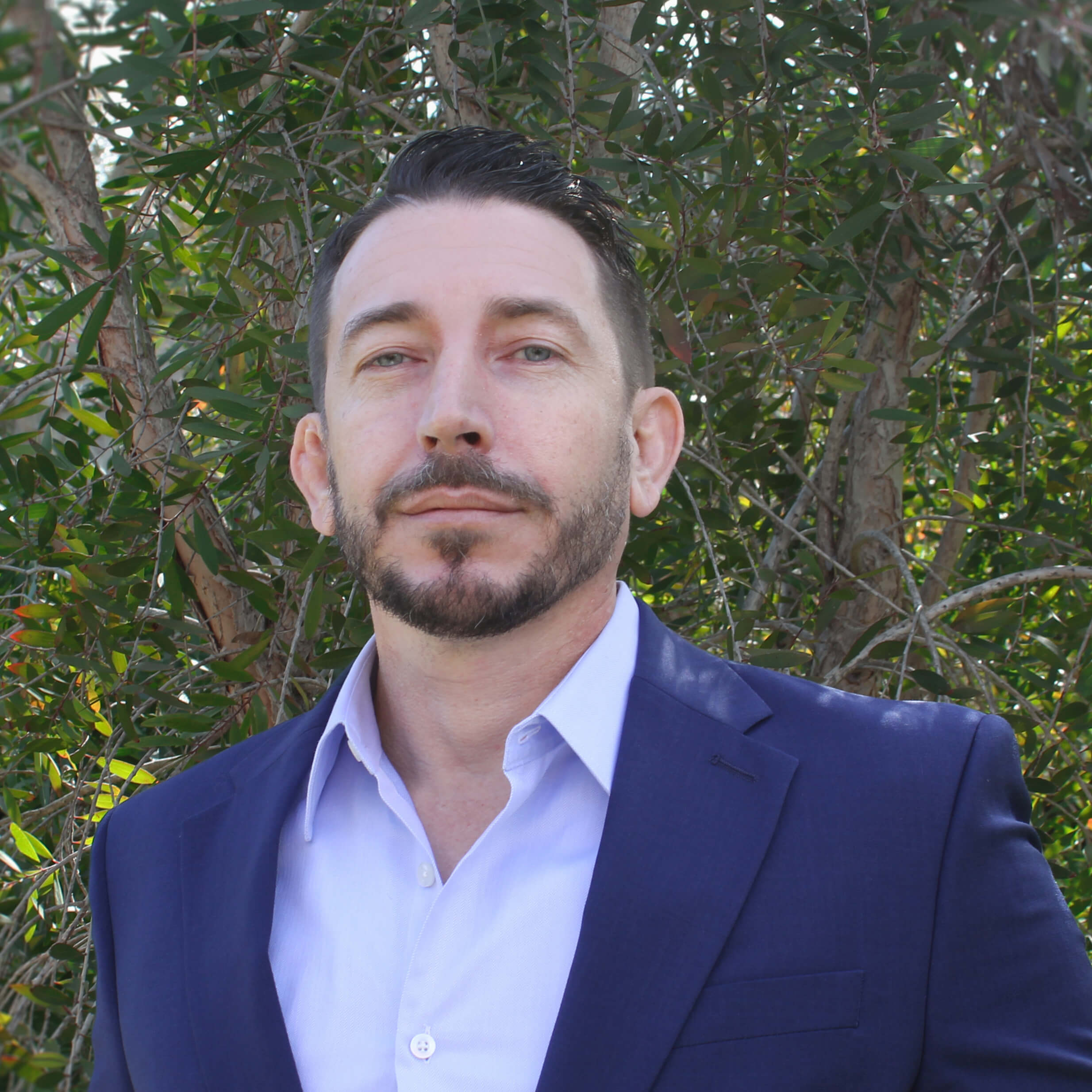
Cole Dyar is the Executive Director & co-founder of Neurish Wellness. He has been working in the behavioral health field in operational, clinical, organizational, and managerial capacities for thirteen years. He holds a degree from the University of California, Santa Cruz in sociology and is a Licensed Advanced Alcohol and Drug Counselor (LAADC) as recognized by CCAPP. Cole holds a Master of Science in Industrial/Organizational Psychology including: Organizational Leadership and Design, a Post-Masters in General Marriage and Family Therapy, and is currently a doctoral candidate in MFT with an emphasis in Systemic Administration & Entrepreneurship.