
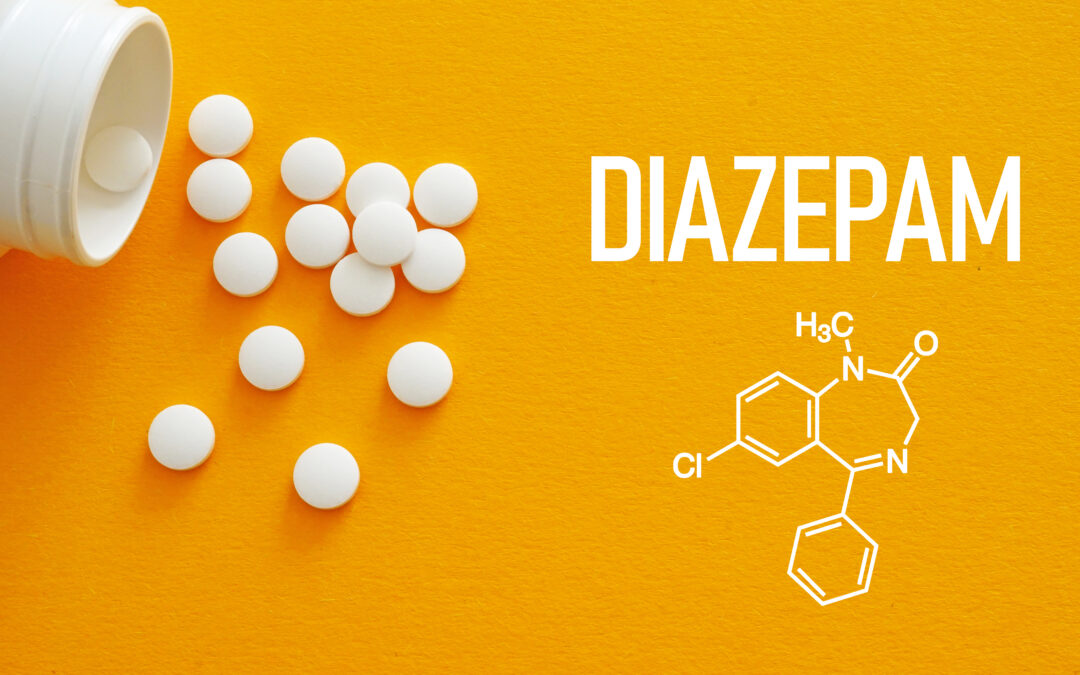
Diazepam is a medication many people know by the brand name Valium. It’s one of the more familiar benzodiazepines, often prescribed to treat anxiety, calm the nervous system, relax muscles, and provide short term relief during periods of intense distress. In some situations, providers also prescribe diazepam to help with alcohol withdrawal, muscle spasms, panic attacks, and even serious neurological conditions like status epilepticus. When used appropriately, diazepam can offer real relief and help someone feel steadier in both body and mind.
At the same time, diazepam is a powerful medication, and the effects of diazepam can become more complicated over time. Because it acts directly on the brain and nervous system, taking diazepam regularly can lead to physical dependence, especially during long term treatment or when high doses are involved. Once that dependence develops, reducing the dose too quickly or stopping the medication altogether can lead to diazepam withdrawal symptoms.
For many people, withdrawal feels alarming because the symptoms can affect both the body and the mind. Some people experience heightened anxiety, sleep disruption, or physical discomfort, while others may face more severe withdrawal symptoms that require close medical attention. Knowing what to expect can make the process feel less frightening and help people make safer, more informed decisions.
If you or someone you love is struggling with diazepam withdrawal symptoms, support is available. At Neurish Wellness, we help adults who are dealing with the mental health challenges that can follow benzodiazepine withdrawal. Call today to learn how our team can help you move toward healing with compassion, structure, and individualized care.
Understanding Diazepam Withdrawal Symptoms
Before discussing diazepam withdrawal symptoms in more detail, it helps to understand how this medication works and why withdrawal can happen in the first place.
What Is Diazepam?
Diazepam is a prescription medication in the benzodiazepines family. Like most benzodiazepines, it is designed to slow activity in the brain and central nervous system. The medication works by enhancing the effect of a neurotransmitter called GABA, which helps calm nerve activity. This process allows more chloride ions to enter nerve cells, making the brain less excitable and producing the calming, sedating, anticonvulsant effects that diazepam is known for.
Because of the way the medication works, providers may prescribe diazepam for a wide range of reasons. Some prescribe diazepam to treat anxiety or provide short term relief for severe stress. Others prescribe diazepam to help relax muscles, manage muscle spasms, support acute alcohol withdrawal or severe alcohol withdrawal, or help stabilize someone experiencing status epilepticus. Diazepam may be available as diazepam tablets, oral tablets, oral diazepam solution, intramuscular injections, or formulations used for rectal administration, depending on the medical need. Oral administration is one of the most common ways people take diazepam outside of hospital settings.
One of the reasons diazepam behaves differently than some other benzodiazepines is that it is considered one of the long acting benzodiazepines. It also has active metabolites and minor active metabolites that stay in the body longer than the parent drug itself. Because of this, the medication works for a longer period of time, and the effects of diazepam may linger compared with shorter-acting benzodiazepines.
Why Do Diazepam Withdrawal Symptoms Occur?
Diazepam withdrawal symptoms happen when the brain and body have adapted to repeated administration of the medication. Over time, taking diazepam can change the way the brain regulates stress, arousal, and calm. When that support is suddenly removed, the nervous system can become overactive as it tries to regain equilibrium.
This is the basis of benzodiazepine withdrawal. The body has grown accustomed to the presence of benzodiazepines, and when the dose drops too quickly, withdrawal symptoms can appear. In some cases, this process is called benzodiazepine withdrawal syndrome, especially when the symptoms are significant and involve both physical and psychological distress.
Research suggests that benzodiazepine discontinuation can be particularly difficult for individuals who have been taking diazepam for a long period, taking high doses, or combining it with other benzodiazepines, sleeping pills, or other CNS drugs. People who drink alcohol regularly or use cns depressants may also face an increased risk of complications. Because diazepam is one of the long acting benzodiazepines, withdrawal may start more gradually than with some short-acting medications, but it can also last longer.
For that reason, most medical professionals recommend a supervised taper rather than abruptly stopping diazepam after long term treatment.
“My experience at Neurish wellness was absolutely amazing. Just what I needed to get on the right track. Everyone there is so kind and thoughtful. They are willing to help with anything you need to help you achieve your goals. I highly recommend them. I’m in a OHO program now and continuing on my journey. I truly miss them. They continue to check on me.”
“The staff at Neurish are incredibly professional, knowledgeable, and genuinely caring. They took the time to understand my needs and tailored their services to ensure I received the best possible care. The facilities are top-notch, clean, and beautifully designed to create a serene and tranquil environment. I highly recommend Neurish Wellness.”
“I was looking for help for a loved one who was suffering from dual diagnosis mental health disease. It was draining and discouraging the amount of calls we made to find out that most places were not authentic in the advertising of services they provided. That was until we spoke to the admissions team at Neurish. They were so helpful and answered all of our questions and gave us specific examples of how our loved one would be treated in care. Forever grateful for the team there, would recommend any one in need or family in need to reach out.”
Common Symptoms Of Diazepam Withdrawal
Withdrawal from diazepam can affect the whole person. The symptoms may be physical, emotional, cognitive, or behavioral, and they can vary depending on the person’s dose, how long they were taking diazepam, whether they were also using alcohol or sleeping pills, and whether they have underlying medical or mental health conditions.
Physical Symptoms
Many people notice physical symptoms first. Common side effects during withdrawal can include sweating, nausea, headaches, shakiness, tension, and trouble sleeping. Some individuals also experience muscle spasms, muscle cramps, stomach upset, appetite changes, and weight loss. Because diazepam affects the body’s sense of calm, the nervous system can feel overstimulated once the medication is removed.
Some individuals also notice dizziness, changes in blood pressure, or a sense of internal agitation that makes it difficult to rest. Trouble breathing may develop in severe cases, especially when withdrawal is complicated by other substances or medical conditions such as sleep apnea. Although diazepam itself is associated with respiratory depression when misused or combined with cns depressants, coming off benzodiazepines can also be physically destabilizing, particularly after high doses or prolonged use.
In rare but serious cases, severe withdrawal symptoms may include seizures, marked confusion, or signs that feel life threatening. Someone may report hearing things, extreme disorientation, or unusual sensory disturbances. These symptoms require immediate medical attention.
Psychological Symptoms
The emotional side of withdrawal can be just as overwhelming. Many people experience anxiety, rebound anxiety, irritability, restlessness, and panic as their brain adjusts. Because diazepam is so often used to treat anxiety, it can be deeply unsettling when anxiety returns during the withdrawal process.
Some people also experience mood swings, depression, difficulty concentrating, insomnia, and a sense of dread that seems hard to explain. In certain cases, people may feel detached, unusually fearful, or hypersensitive to stress. There can also be paradoxical reactions, which are responses opposite of what the medication is meant to do, such as agitation, increased impulsivity, or even aggressive behavior.
This is one of the reasons benzodiazepine withdrawal can feel so destabilizing. The medication once provided calm, but now the mind and body are being asked to function without it before they are fully ready.
How Long Do Diazepam Withdrawal Symptoms Last?
The timeline for diazepam withdrawal symptoms can vary quite a bit from one person to another. Factors like dose, duration of use, age, liver function, other medications, and overall health all matter. Older adults may process the medication more slowly, which can affect both how long diazepam stays in the body and when symptoms begin.
Because diazepam is one of the long acting benzodiazepines, withdrawal symptoms often do not begin as quickly as they do with short-acting benzodiazepines. The presence of active metabolites can delay the onset of symptoms, but it can also extend the course of withdrawal. In other words, withdrawal may come on more gradually, yet last longer.
Acute Withdrawal Phase
During the acute phase, symptoms often become more noticeable as diazepam and its active metabolites continue to clear the body. This stage may include rising anxiety, sleep disruption, physical discomfort, and intensified stress responses. Some individuals experience serious side effects during this phase, especially if the taper has been too rapid.
Post-Acute Withdrawal
After the most intense part of withdrawal has passed, some people continue to have lingering symptoms for weeks or even months. This can include low mood, trouble sleeping, irritability, sensitivity to stress, and intermittent waves of anxiety. Although frustrating, these symptoms often improve gradually with time and support.
Diazepam Withdrawal Symptoms Timeline
First 1–3 Days
Because diazepam is one of the long acting benzodiazepines, withdrawal does not always begin immediately after the last dose. During the first few days, some people may feel relatively stable at first, especially if active metabolites are still present in the body. As levels begin to drop, early symptoms may include mild anxiety, restlessness, trouble sleeping, and a subtle sense that the body is no longer as calm as it was while taking diazepam.
Days 4–7
This is often when diazepam withdrawal symptoms become more noticeable. Many people report increasing anxiety, irritability, sleep disruption, sweating, headaches, and muscle spasms. Some also experience stomach upset, shakiness, and a general feeling of being physically and emotionally on edge. Because the medication has a longer half-life than many other benzodiazepines, this stage may feel slower in onset but still deeply uncomfortable.
Weeks 2–3
For many individuals, symptoms peak somewhere during this window. This is when benzodiazepine withdrawal can feel especially discouraging, because the process may seem to drag on. People may experience heightened anxiety, insomnia, difficulty concentrating, muscle tension, and emotional volatility. In more serious cases, severe withdrawal symptoms such as confusion, sensory disturbances, hearing things, or seizure risk may still be present and require medical management.
Weeks 4–6
During this period, many people begin to notice some improvement, although symptoms do not necessarily disappear all at once. Sleep may still be inconsistent, and waves of anxiety or agitation can continue. Some people feel physically drained, while others notice that their mood remains fragile. Because diazepam leaves the body gradually, the withdrawal course can feel uneven.
Months 2–3 Or Longer
Some individuals continue to have symptoms beyond the initial withdrawal window. These may include intermittent anxiety, insomnia, sensitivity to stress, low mood, or trouble concentrating. This longer adjustment period can happen after long term treatment, repeated administration, or high doses. While this phase can be frustrating, it does not mean healing is not happening. It usually means the brain and body are still recalibrating after prolonged exposure to benzodiazepines.
Managing Diazepam Withdrawal Symptoms
Managing diazepam withdrawal symptoms safely usually requires medical oversight and emotional support. Because benzodiazepines affect the brain so directly, attempting to stop them without guidance can be risky, especially after long term treatment.
Medical Supervision
Talking with a healthcare provider before reducing or stopping diazepam is extremely important. A careful taper can help lower the risk of severe withdrawal symptoms and make the process more manageable overall. Medical supervision is especially important for people who have been taking diazepam for a long time, using high doses, or combining it with sleeping pills, alcohol, or all the medicines that depress the nervous system.
Providers may also assess for other issues that can complicate recovery, including sleep apnea, older adults with slower metabolism, or co-occurring medical conditions. They may review all the medicines a person is taking to watch for interactions involving grapefruit juice, muscle relaxants, cns depressants, or other benzodiazepines.
Therapy And Addiction Treatment
For people dealing with benzodiazepine withdrawal, therapy can be an essential part of healing. Withdrawal is not only physical. It can stir up fear, grief, uncertainty, and the return of mental health symptoms that had been masked by the medication. Therapy can help clients build coping skills, process distress, and address the deeper reasons they may have begun taking diazepam in the first place.
For some individuals, this may also involve treatment for substance misuse or benzodiazepine dependence. Structured care can support both emotional recovery and long-term stability.
Lifestyle Support
Good supportive care matters during withdrawal. Gentle routines, sleep hygiene, hydration, consistent nourishment, and emotional support can all help stabilize the system while it heals. People should also be careful not to operate machinery if they are sedated, dizzy, or cognitively impaired during the tapering process or while adjusting after dose changes.
How Neurish Wellness Can Help
At Neurish Wellness, we understand how unsettling diazepam withdrawal can be. When someone has been taking diazepam to treat anxiety, calm the body, or manage other difficult symptoms, coming off the medication can feel physically exhausting and emotionally disorienting. It is not uncommon for people to feel like they are losing their footing just when they are trying to get better.
While Neurish Wellness does not provide detox or medical withdrawal management, our team often works with adults who are navigating the mental health impact of benzodiazepine withdrawal after the acute medical phase has been addressed. Many clients need ongoing support for anxiety, depression, trauma, sleep disruption, and emotional instability as their system continues to recover.
Our clinical team provides individualized care for adults who need help rebuilding stability after withdrawal. Through therapy, psychiatric support, and holistic mental health treatment, we help clients understand what they are experiencing and begin moving forward with more confidence and support.
Recovery from benzodiazepines is not only about getting off the medication. It is also about learning how to manage anxiety, regulate stress, and care for your mental health in a way that feels sustainable. At Neurish, we help clients build that foundation in a compassionate and highly personalized environment.
If you or someone you love is struggling with the emotional or psychological effects of diazepam withdrawal, we are here to help. Reach out today to learn more about how Neurish Wellness can support your next step.
The Next Step
Diazepam withdrawal symptoms can be difficult, unpredictable, and sometimes dangerous, but healing is possible with the right support. Understanding the symptoms, seeking appropriate medical guidance, and getting help for the mental health side of recovery can make a major difference.
If you are concerned about diazepam, benzodiazepine withdrawal, anxiety, or other mental health challenges, Neurish Wellness is here to help you take the next step toward healing.
FAQs About Diazepam Withdrawal Symptoms
What are the most common diazepam withdrawal symptoms?
Diazepam withdrawal symptoms often include anxiety, restlessness, insomnia, sweating, headaches, shakiness, and muscle spasms. Some people also experience difficulty concentrating, stomach upset, mood changes, and heightened sensitivity to stress as the body adjusts to being off benzodiazepines.
Why does diazepam withdrawal happen?
Withdrawal happens because taking diazepam regularly can lead to physical dependence. Over time, the brain adapts to the presence of benzodiazepines. When the dose is reduced too quickly or the medication is stopped, the nervous system can become overactive, which leads to withdrawal symptoms.
How is diazepam different from other benzodiazepines?
Diazepam is one of the long acting benzodiazepines, which means it stays in the body longer than many other benzodiazepines. It also has active metabolites that extend the effects of diazepam. Because of this, withdrawal may start later than it does with shorter-acting benzodiazepines, but it may also last longer.
Can diazepam withdrawal be dangerous?
Yes. In some cases, benzodiazepine withdrawal can cause severe withdrawal symptoms, including seizures, confusion, serious side effects, or symptoms that feel life threatening. Anyone with intense symptoms or signs of medical instability should seek immediate care.
What is diazepam used for?
Providers prescribe diazepam for several reasons. It may be used to treat anxiety, relax muscles, manage muscle spasms, support alcohol withdrawal, help with status epilepticus, and provide short term relief from severe distress. It may come as diazepam tablets, oral tablets, or in formulations for intramuscular injections or rectal administration.
Are there safety concerns while taking diazepam?
Yes. Diazepam can cause common side effects such as drowsiness, dizziness, and slowed thinking. More serious side effects may include respiratory depression, trouble breathing, allergic reaction, paradoxical reactions, or overdose risk when mixed with sleeping pills, alcohol, or other cns depressants. Grapefruit juice may also affect how the medication is processed in some cases, so people should speak with their prescriber about safety concerns and all the medicines they are taking.
Can diazepam cause overdose?
Yes, diazepam overdose is possible, especially when the medication is combined with alcohol, sleeping pills, or other sedating substances. Although diazepam has relatively low toxicity when taken alone compared with some other drugs, overdose risk increases substantially when multiple depressants are involved. Signs can include extreme sedation, confusion, respiratory depression, and trouble breathing.
Are there people who need to use extra caution with diazepam?
Yes. Older adults may be more sensitive to the medication and may clear it more slowly. People with sleep apnea, myasthenia gravis, liver problems, or those who are pregnant or breastfeeding should also be carefully evaluated. Diazepam can pass into breast milk, and use during pregnancy has been associated with risks such as floppy infant syndrome in certain contexts. That is why it is important for providers to carefully review the dose, duration, and overall safety profile for each person.

Cole Dyar is the Executive Director & co-founder of Neurish Wellness. He has been working in the behavioral health field in operational, clinical, organizational, and managerial capacities for thirteen years. He holds a degree from the University of California, Santa Cruz in sociology and is a Licensed Advanced Alcohol and Drug Counselor (LAADC) as recognized by CCAPP. Cole holds a Master of Science in Industrial/Organizational Psychology including: Organizational Leadership and Design, a Post-Masters in General Marriage and Family Therapy, and is currently a doctoral candidate in MFT with an emphasis in Systemic Administration & Entrepreneurship.