
A common prescription used to treat pain and inflammation caused by conditions such as arthritis is Celebrex (generically known as celecoxib). While it’s commonly prescribed and considered safe, many people questions about Celebrex withdrawal symptoms when they stop taking it. Understanding what to expect is key for anyone who, for whatever reason, may want to stop taking the medication. If you’re in this situation, keep reading to learn more about this medication, Celebrex side effects, and more.
Does Celebrex Cause Withdrawal Symptoms?
Celebrex, the brand name for celecoxib, is a nonsteroidal anti-inflammatory drug that helps reduce pain and inflammation. Doctors often prescribe it for conditions such as arthritis when pain or swelling affects daily life.
Celebrex is not usually linked to physical dependence or a typical withdrawal syndrome. Still, some people notice pain, stiffness, or inflammation returning after they stop taking it because the medication is no longer controlling the original symptoms. Discontinuing the drug may cause Celebrex withdrawal symptoms as well as a noticeable return of symptoms associated with the original condition.
If you have been taking Celebrex regularly, talk with your prescribing clinician before making changes. They can help you understand what may happen after stopping it and whether you need another way to manage your symptoms.
Pain Management and Chronic Pain Programs
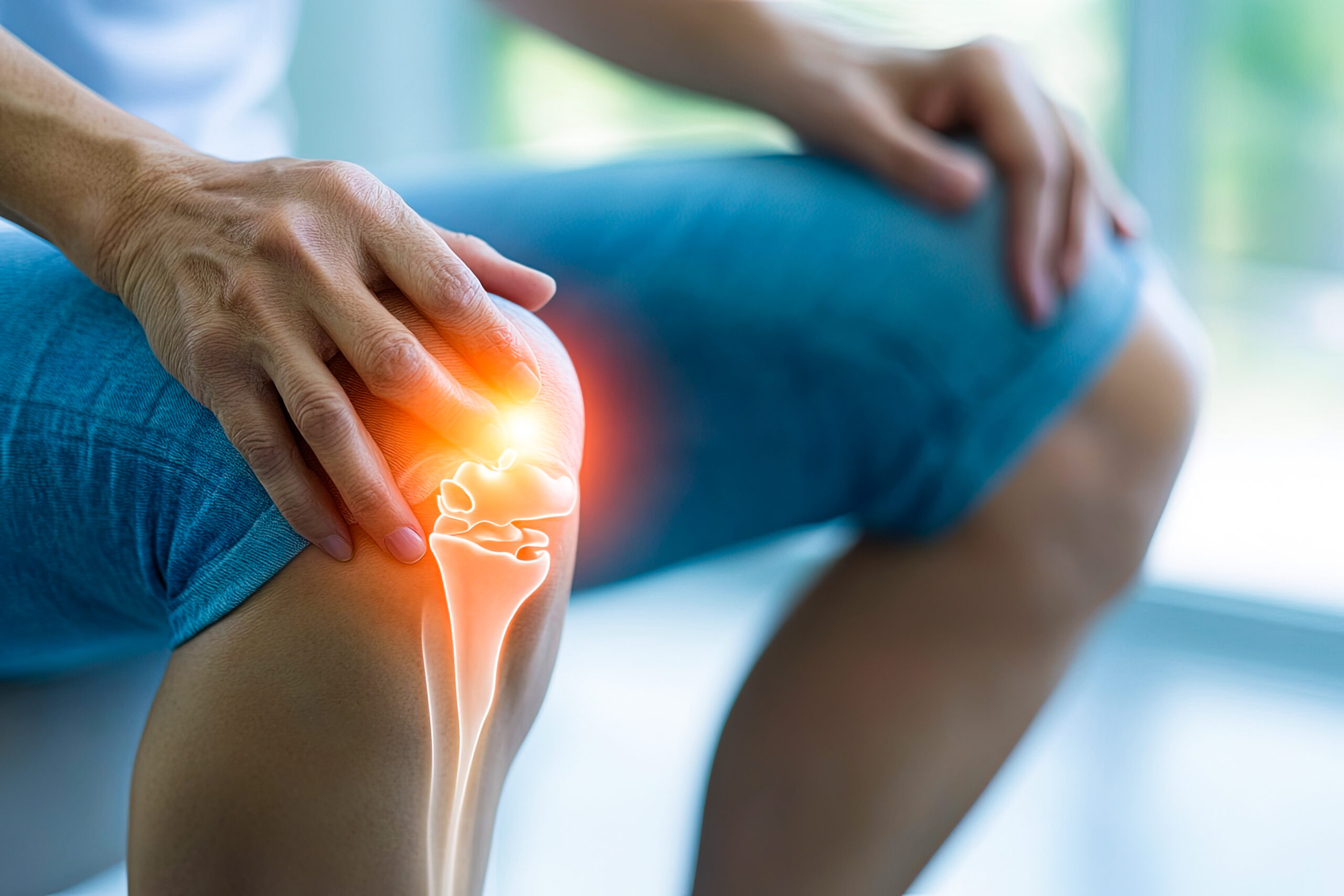
One of the biggest challenges during Celebrex withdrawal is finding safe ways to effectively manage ongoing pain. Since many people take Celebrex for pain, stopping the medication without a replacement plan can feel overwhelming.
A chronic pain management program can provide structured support through alternative treatments, such as physical therapy, mindfulness practices, non-NSAID medications, and lifestyle adjustments. These programs also take mental health into account, which means clients can more easily manage anxiety, depression, and stress that may arise when pain levels increase.
Working with a multidisciplinary team ensures that physical discomfort and emotional responses to Celebrex withdrawal symptoms are addressed in a thoughtful and balanced way.
What Symptoms Might You Notice After Stopping Celebrex?
Because Celebrex withdrawal symptoms aren’t tied to a classic withdrawal syndrome, most of what people notice after stopping it reflects the return of the pain or inflammation it was managing, along with the knock-on effects of that discomfort. The symptoms below are the ones most commonly reported.
Physical Symptoms
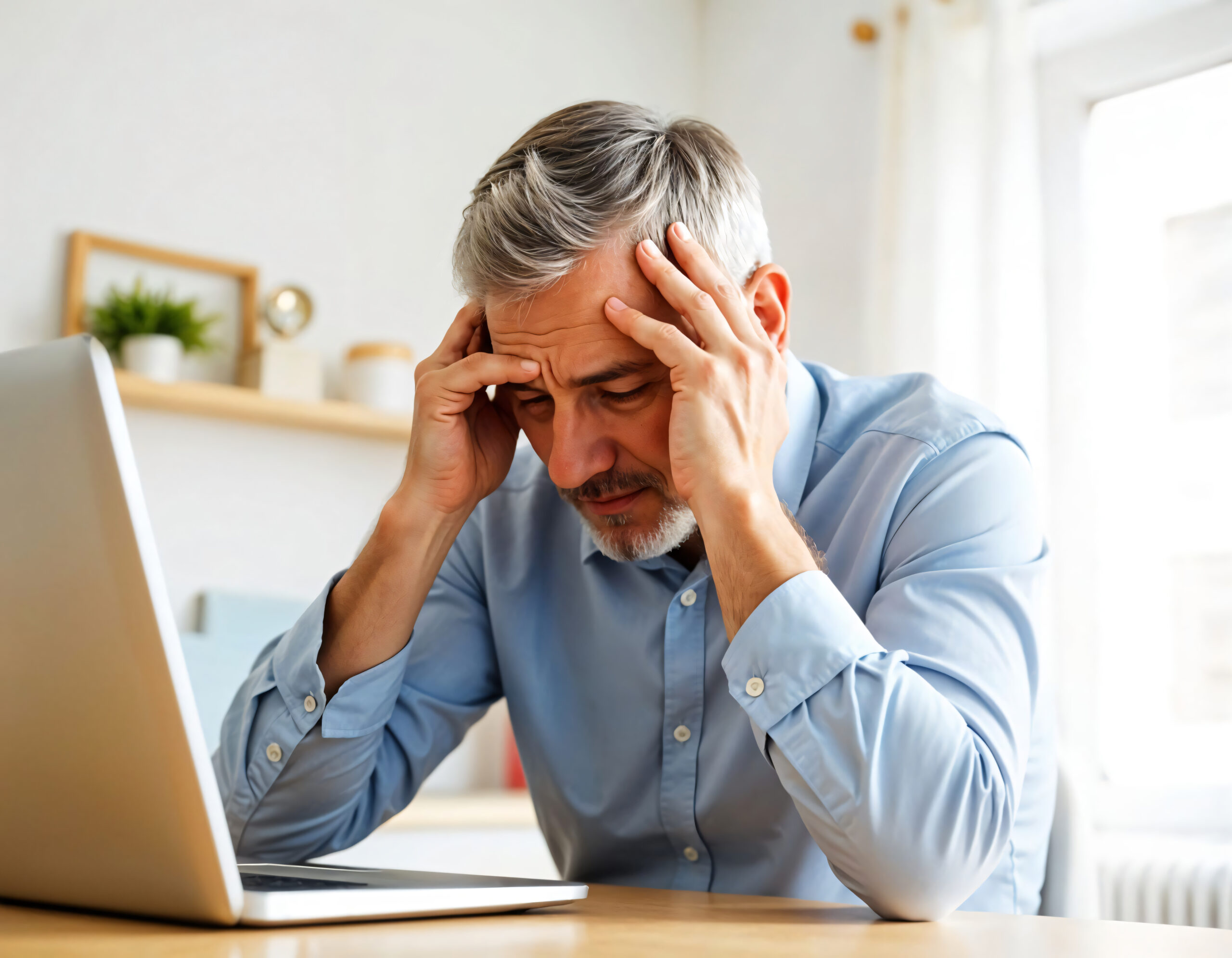
Headaches: Some people report headaches after stopping Celebrex. They may vary in length and intensity and can be linked to returning discomfort or changes in sleep.
Joint and Muscle Pain: Many individuals experience a return or worsening of arthritis-related pain, making daily activities more difficult.
Digestive Issues: Stopping Celebrex suddenly may cause stomach upset, nausea, or digestive discomfort. This may be especially true for individuals who previously relied on it to manage inflammation.
Insomnia: Some people report difficulty falling or staying asleep after stopping Celebrex. Sleep disturbances may be caused by both physical pain and the body’s adjustment period after discontinuing the medication.
Low Mood or Depression: The return of chronic pain can contribute to feelings of sadness, hopelessness, or depression.
Mood Swings: Fluctuations in mood are possible after stopping the medication, often linked to the stress of managing pain without medication.
Difficulty Concentrating: Some individuals may experience mental fog or struggle with focus, which can impact daily tasks and overall well-being.
Are Your Symptoms From Celebrex Withdrawal or Returning Pain?
After stopping Celebrex, compare what you feel now with the symptoms you had before taking it. If the same pain, stiffness, or inflammation returns, the original condition may simply be becoming noticeable again rather than causing a separate withdrawal reaction.
Timing can still provide useful context, but it doesn’t tell the whole story. If symptoms are new, severe, persistent, or very different from what Celebrex was originally helping manage, a clinician can help determine whether something else may be going on.
How Long Do Celebrex Withdrawal Symptoms Last
How long these symptoms last is based on factors like dosage amount, how long the drug has been used, and an individual’s overall health. Symptoms may last only a few days for some people, while others may notice lingering effects for weeks. Generally, discomfort eases as the underlying condition is managed again; however, pain flare-ups may persist until a new treatment plan is established. For clear answers, it’s best to consult a medical professional, such as a licensed Neurish team member.
Celebrex Withdrawal Symptoms Timeline
The pattern below reflects what people commonly report after stopping Celebrex. It is a general guide, not a fixed schedule, and it largely tracks how the underlying pain or inflammation returns.
First 24–48 Hours
Early signs of discomfort may appear, including headaches, irritability, or mild pain flare-ups.
Days 3–7
Symptoms often peak during this stage. Individuals may experience stronger joint or muscle pain, along with digestive issues or trouble sleeping.
Weeks 2–4
Many physical symptoms begin to improve, but some individuals may continue to experience pain or fatigue as the body adjusts.
Months 1–3
Long-term symptoms often include intermittent pain or sleep difficulties. This stage typically requires lifestyle adjustments and ongoing support from healthcare providers.
What Should You Do if Symptoms Return After Stopping Celebrex?
Managing symptoms after stopping Celebrex often requires a combination of medical supervision and lifestyle support.
Medical Guidance: Doctors may recommend tapering off Celebrex instead of stopping abruptly. They might also suggest alternative medications for Celebrex pain relief to ease the transition.
Supportive Therapies: Physical therapy, mindfulness practices, and holistic pain management strategies can help reduce discomfort.
Lifestyle Adjustments: Eating a balanced diet, staying active, and practicing good sleep hygiene can support the body during this transition.
If symptoms seem to appear after stopping the medication, compare them with the pain, stiffness, or inflammation Celebrex was controlling before. Symptoms that return in the same areas and follow a familiar pattern may point more toward the underlying condition becoming active again, while completely new symptoms may need a separate medical evaluation.
It can also help to note when symptoms started, whether they are getting stronger, and how much they affect movement, sleep, or normal daily activities. That information gives the prescribing clinician more to work with when deciding whether the issue is returning pain, a different health concern, or a need to adjust the treatment plan.
How Celebrex is Used for Chronic Pain Management

Celebrex has long been prescribed for chronic pain caused by conditions like osteoarthritis, rheumatoid arthritis, and ankylosing spondylitis. By reducing inflammation, it provides effective Celebrex pain relief for many individuals. However, as with all medications, there are risks. Therefore, medical supervision is advised when discontinuing the drug.
How Neurish Wellness Approaches Chronic Pain and Mental Health
Neurish Wellness understands how difficult it can be to manage chronic pain while navigating medication changes. If you’re struggling with withdrawal symptoms or seeking safer, holistic approaches to pain management, our clinical team is here to help.
When someone experiences worsening pain, sleep problems, anxiety, low mood, or difficulty functioning after a medication change, the symptoms should not automatically be treated as one issue. A comprehensive evaluation may consider what the medication was originally treating, which symptoms existed beforehand, what changed after stopping it, how pain is affecting daily functioning, and whether a separate mental health condition also needs attention.
We provide personalized care that integrates medical guidance, therapy, and holistic practices to support your overall well-being. Whether you are transitioning off medication, exploring alternative treatments, or simply need compassionate support, Neurish Wellness can guide you every step of the way.
Get Support When Pain Is Affecting Your Mental Health
Managing symptoms after stopping Celebrex can be challenging, but with the right support, it is possible to find lasting relief find relief. Always consult your healthcare provider before making changes to your medication. At Neurish Wellness, we are committed to helping you achieve balance, comfort, and long-term recovery. Contact us today to learn how we can support your healing journey.
FAQs About Celebrex Withdrawal Symptoms
What happens when you suddenly stop taking Celebrex?
Stopping Celebrex abruptly may lead to a return of the pain or inflammation it was treating. Celebrex is not generally linked to a true withdrawal syndrome, so what feels like withdrawal is often the underlying condition becoming noticeable again. Still, discuss sudden discontinuation with a doctor.
How long does it take for Celebrex to leave your system?
Celebrex has a half-life of about 11 hours, so it is mainly eliminated from the body within 2–3 days. Individual factors, such as age, liver function, and dosage, can influence how quickly it is cleared from your system.
Does Celebrex need to be tapered?
Celebrex typically does not require a taper because it is not known to cause dependency. However, your doctor may adjust your dose gradually if you’ve been on high doses for an extended period.
Can I take Celebrex and Amitriptyline together?
These medications can sometimes be taken together, but there is an increased risk of side effects like stomach bleeding or kidney issues. Always consult your healthcare provider before taking these medications together.
What are the worst side effects of Celebrex?
Serious side effects can include a heart attack, stroke, severe gastrointestinal bleeding, or kidney problems. Any unusual symptoms, such as chest pain, shortness of breath, or black stools, should be reported to a doctor immediately.

© Neurish Wellness 2024
CONTACT US
Phone: (866) 525 5197
Email: info@neurishwellness.com
Licensed by the State Department of Health Care Services:
License #: MHBT210368 | Expiration Date: 10/13/2025

Cole Dyar is the Executive Director & co-founder of Neurish Wellness. He has been working in the behavioral health field in operational, clinical, organizational, and managerial capacities for thirteen years. He holds a degree from the University of California, Santa Cruz in sociology and is a Licensed Advanced Alcohol and Drug Counselor (LAADC) as recognized by CCAPP. Cole holds a Master of Science in Industrial/Organizational Psychology including: Organizational Leadership and Design, a Post-Masters in General Marriage and Family Therapy, and is currently a doctoral candidate in MFT with an emphasis in Systemic Administration & Entrepreneurship.