
Quick Answer: Yes, it’s possible to overdose on antidepressants, especially if someone is taking them in high doses, combining them with other substances, or otherwise using them improperly. Some overdoses can be life-threatening and require immediate medical attention.
At Neurish Wellness, we help individuals safely manage medications, recognize warning signs, and get the mental health support they need. If you or someone you care about may be at risk, reaching out early can make a critical difference.
What Does It Mean to Overdose on Antidepressants?
An antidepressant overdose happens when someone takes more medication than the body can safely process. This can overwhelm the central nervous system, heart, or other organs, depending on the type of medication.
Overdosing on antidepressants may be accidental, such as taking an extra dose or mixing medications incorrectly. Other overdoses may be intentional and linked to underlying mental health struggles, which require immediate care and support.
Can All Antidepressants Cause an Overdose?
All antidepressants carry some risk of overdose, but the severity varies by medication type. Older medications like tricyclic antidepressants tend to have a higher risk of serious complications, while newer options like SSRIs are generally safer but still dangerous in large amounts.
Mixing antidepressants with alcohol, opioids, or other drugs significantly increases the risk. Even medications that are considered “safer” can become harmful when combined or misused.
What Are the Common Signs of an Antidepressant Overdose?
The signs of an antidepressant overdose depend on the drug and dosage, but they often affect both the body and mind. Antidepressant overdose symptoms can appear quickly or develop over several hours.
Common warning signs include confusion, agitation, nausea, vomiting, rapid heart rate, dizziness, and excessive drowsiness. In more severe cases, individuals may experience seizures, irregular heartbeat, or loss of consciousness.
What Is Serotonin Syndrome, and Why Is It Dangerous?
Serotonin syndrome is a potentially life-threatening condition caused by too much serotonin in the brain. It often occurs when antidepressants are taken in excessive amounts or combined with other medications that increase serotonin.
Symptoms can include high fever, sweating, tremors, agitation, and muscle stiffness. Without prompt treatment, serotonin syndrome can escalate quickly and become fatal.

How Much Antidepressant Is Considered an Overdose?
An overdose occurs when the amount taken exceeds the prescribed or safe dosage for that individual. This threshold varies widely based on the medication, body weight, tolerance, and overall health.
Even slightly exceeding a prescribed dose can cause harmful side effects in some people. Taking large quantities at once greatly increases the risk of severe complications or death.
What Should You Do if You Suspect an Antidepressant Overdose?
You should seek emergency medical care immediately if an antidepressant overdose is suspected. Delaying treatment can lead to serious or irreversible health consequences.
Call 911 or go to the nearest emergency room right away. If the person is conscious, try to keep them calm and provide information about the medication taken, including dosage and timing.
Are Antidepressant Overdoses Fatal?
Antidepressant overdoses can be fatal, but many cases are treatable with timely medical care. The outcome depends on the type of medication, the amount taken, and how quickly treatment is received.
Early intervention greatly improves survival and reduces the risk of long-term damage. This is why recognizing symptoms and acting quickly is so important.
Who Is Most at Risk for an Antidepressant Overdose?
Individuals with untreated or severe mental health conditions are at a higher risk of antidepressant overdose. This includes those experiencing depression, anxiety, or suicidal thoughts.
People who misuse medications, combine substances, or lack proper medical guidance are also at increased risk. Ongoing support and monitoring can significantly reduce these risks.

How We Help at Neurish Wellness
We provide comprehensive mental health care that focuses on both safety and long-term healing. Our team works closely with each individual to ensure medications are used correctly and effectively.
At Neurish Wellness, we offer psychiatric support, medication management, and therapy tailored to each person’s needs. We also provide virtual care options, making it easier to access help from anywhere.
For immediate support, we also offer mental health urgent care in Orange County, California.
If you’re struggling with your mental health—or asking questions like “Can you overdose on antidepressants?”—we’re here to help you take the next step toward stability and recovery.
When to Seek Help for Mental Health and Medication Concerns
You should seek professional help if you feel unsure about your medication, experience unusual side effects, or struggle with thoughts of self-harm. Early support can prevent serious complications and improve outcomes.
Reaching out doesn’t mean you’re weak. Asking for help is a commendable step toward protecting your health and well-being. At Neurish Wellness, we’re committed to helping you find safe, effective solutions and lasting support.
Reach out to us today and receive the support you need.
FAQs: Can you Overdose on Antidepressants?
Can you overdose on antidepressants if you miss a dose and then double up?
Yes, doubling your next dose after missing one can increase the risk of overdose or side effects. You should follow your prescription instructions or contact a provider before adjusting your dosage.
Do antidepressant overdoses always show immediate symptoms?
No, symptoms aren’t always immediate and may take hours to appear. Some medications have delayed effects, which is why medical evaluation is important even if symptoms seem mild at first.
Can children or pets overdose on antidepressants?
Yes, antidepressants can be dangerous for children and pets, even in small amounts. Accidental ingestion should be treated as an emergency, and immediate medical or veterinary care is necessary.
Is it safe to take different antidepressants together?
No, combining antidepressants without medical supervision can increase the risk of overdose and conditions like serotonin syndrome. Medication changes should always be guided by a qualified provider.
Can stopping antidepressants suddenly lead to overdose risk later?
Stopping antidepressants abruptly doesn’t directly cause an overdose, but it can lead to withdrawal symptoms or worsening mental health. This may increase the risk of misuse if symptoms return.
Do natural supplements increase overdose risk with antidepressants?
Yes, certain supplements like St. John’s Wort can interact with antidepressants and raise serotonin levels. Combining them without guidance may increase the risk of serious complications.
How long does it take to recover from an antidepressant overdose?
Recovery time depends on the severity of the overdose and the medication involved. Some people recover within days, while others may require longer monitoring and follow-up care.
Can you build a tolerance to antidepressants that leads to overdose?
With antidepressants, tolerance doesn’t typically develop in the same way as with other substances, but increasing doses without guidance can still be dangerous. Misuse can raise the risk of overdose and side effects.
What role does mental health treatment play in preventing overdose from antidepressants?
Ongoing mental health treatment reduces overdose risk by addressing underlying conditions and ensuring safe medication use. At Neurish Wellness, we focus on prevention through personalized care and support.
Can you take antidepressants safely long term?
Yes, many people take antidepressants safely for long periods under medical supervision. Regular check-ins and proper management help ensure the medication remains effective and safe over time.
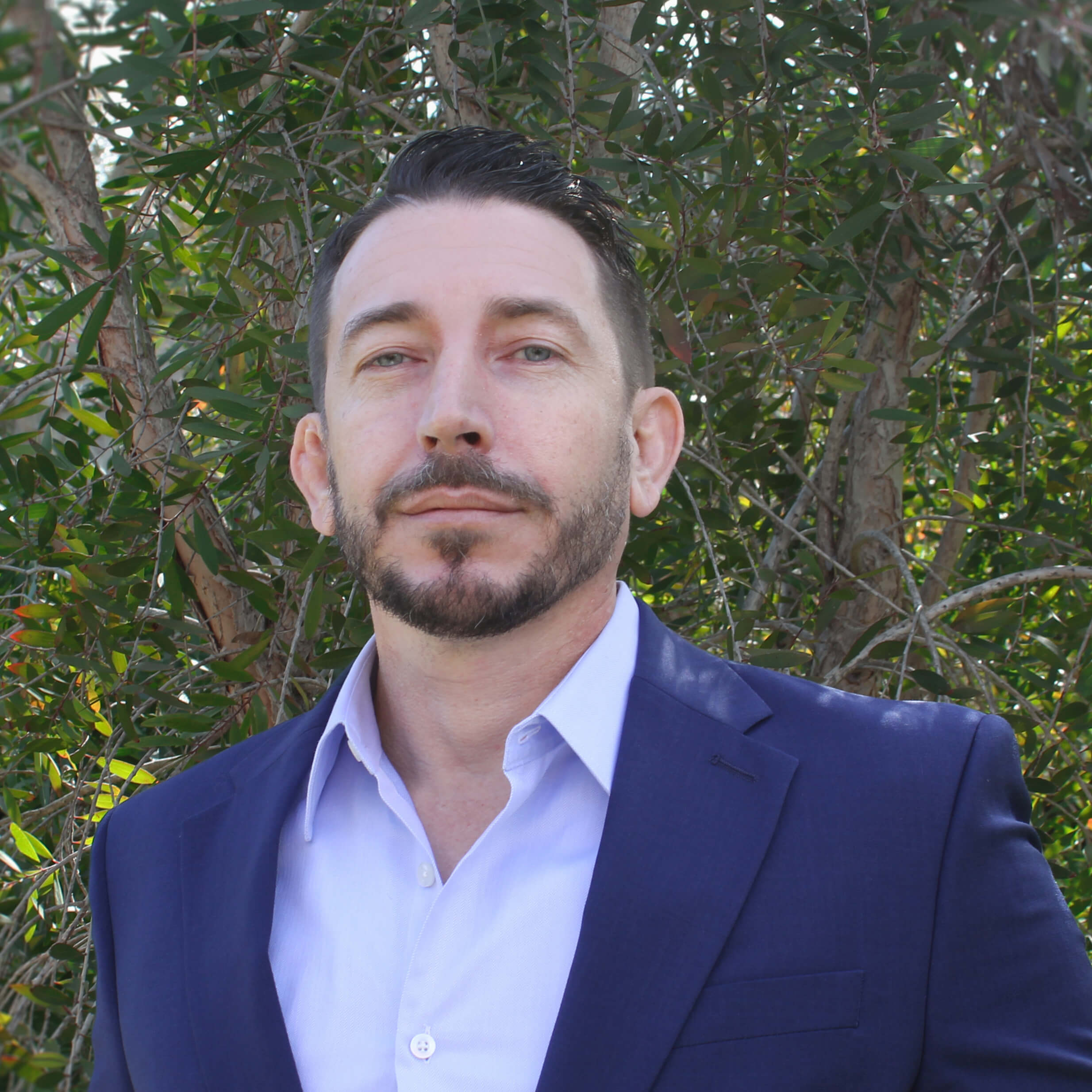
Cole Dyar is the Executive Director & co-founder of Neurish Wellness. He has been working in the behavioral health field in operational, clinical, organizational, and managerial capacities for thirteen years. He holds a degree from the University of California, Santa Cruz in sociology and is a Licensed Advanced Alcohol and Drug Counselor (LAADC) as recognized by CCAPP. Cole holds a Master of Science in Industrial/Organizational Psychology including: Organizational Leadership and Design, a Post-Masters in General Marriage and Family Therapy, and is currently a doctoral candidate in MFT with an emphasis in Systemic Administration & Entrepreneurship.