

Addiction rarely develops in isolation. It grows out of a person’s experiences, relationships, emotional health, and environment. While substance use disorder affects people of all backgrounds, research and clinical experience show that women often encounter unique pathways into addiction and face different obstacles during recovery.
For decades, addiction treatment programs were largely built around models developed for male patients. Over time, clinicians began noticing that many women entering treatment carried different emotional burdens, social pressures, and life responsibilities. Trauma histories, caregiving roles, and mental health challenges frequently played a larger role in women’s substance use and recovery journeys.
As the field has evolved, treatment providers have begun designing programs that better address the realities women face. These gender-responsive approaches recognize that healing often requires more than addressing substance use alone. It also involves exploring the deeper emotional and social factors that shaped the addiction in the first place.
Why Gender-Specific Treatment Environments Can Be Important
Many women seeking treatment describe feeling hesitant to open up in mixed-gender environments. Conversations around trauma, relationships, parenting, and personal safety can be difficult to discuss openly when individuals feel judged or misunderstood.
This is one reason why treatment settings designed specifically for women have become increasingly common. Programs focused on rehab for women, such as those offered at Casa Capri Recovery, aim to create spaces where patients feel comfortable addressing sensitive topics that may be central to their recovery.
In these environments, therapy often incorporates discussions around relationship dynamics, self-esteem, family roles, and the emotional weight many women carry in their daily lives. Group sessions may allow participants to share experiences that resonate more closely with others in the room.
Understanding the Hidden Impact of Trauma
One of the most important differences in women’s addiction treatment involves the role of trauma. Many women entering recovery have experienced emotional, physical, or psychological trauma at some point in their lives.
These experiences may not always be obvious or openly discussed. Trauma can sometimes manifest through subtle patterns that individuals themselves may not immediately recognize. Chronic anxiety, emotional numbness, difficulty trusting others, or persistent feelings of shame may all be connected to unresolved experiences from the past.
In therapy, exploring these patterns can become a key part of the healing process. Treatment programs often help individuals recognize the ways trauma may influence behaviors, emotional responses, and coping mechanisms.
When women begin to understand how these experiences shaped their substance use, recovery can shift from simply stopping alcohol or drug use to addressing the deeper emotional wounds beneath it. This trauma-informed approach has become an essential component of many modern treatment programs.

The Role of Caregiving Responsibilities in Recovery
Another factor that often shapes women’s treatment journeys is the role of caregiving. Many women entering recovery are mothers, partners, or primary caregivers within their families.
This responsibility can create both motivation and hesitation when seeking treatment. On one hand, the desire to provide stability for loved ones can become a powerful reason to pursue sobriety. On the other hand, the fear of leaving family members behind while entering treatment can delay the decision to seek help.
Treatment providers increasingly recognize this challenge and incorporate family-focused resources into recovery programs. Parenting support groups, family therapy sessions, and education around rebuilding trust can all become important parts of the healing process.
The Importance of Mental Health Support
Mental health challenges frequently intersect with addiction recovery for women. Conditions such as anxiety, depression, and post-traumatic stress disorder often occur alongside substance use disorders.
When these challenges are not addressed simultaneously, recovery becomes more difficult to sustain. For example, someone who initially used alcohol as a way to manage anxiety may struggle to remain sober if the underlying anxiety remains untreated.
Integrated treatment models now focus on addressing both addiction and mental health together. Therapists may incorporate cognitive behavioral therapy, trauma-focused counseling, mindfulness practices, and other approaches designed to strengthen emotional resilience. By treating the whole person rather than only the addiction, these programs help women develop healthier coping strategies for managing stress and emotional challenges.
Rebuilding Identity and Self-Worth
Another powerful aspect of recovery for women involves rediscovering personal identity. Addiction can gradually erode confidence and self-esteem, leaving individuals feeling disconnected from the person they once were.
Recovery programs often encourage women to explore their strengths, passions, and personal goals as part of the healing process. Creative therapies, educational workshops, and skill-building activities can help individuals reconnect with parts of themselves that may have been overshadowed by addiction.
This process can be especially meaningful for women who have spent years focusing on the needs of others while neglecting their own well-being. Recovery becomes an opportunity to rediscover personal identity while building healthier relationships and boundaries. As individuals rebuild confidence in themselves, the desire to maintain sobriety often becomes stronger.
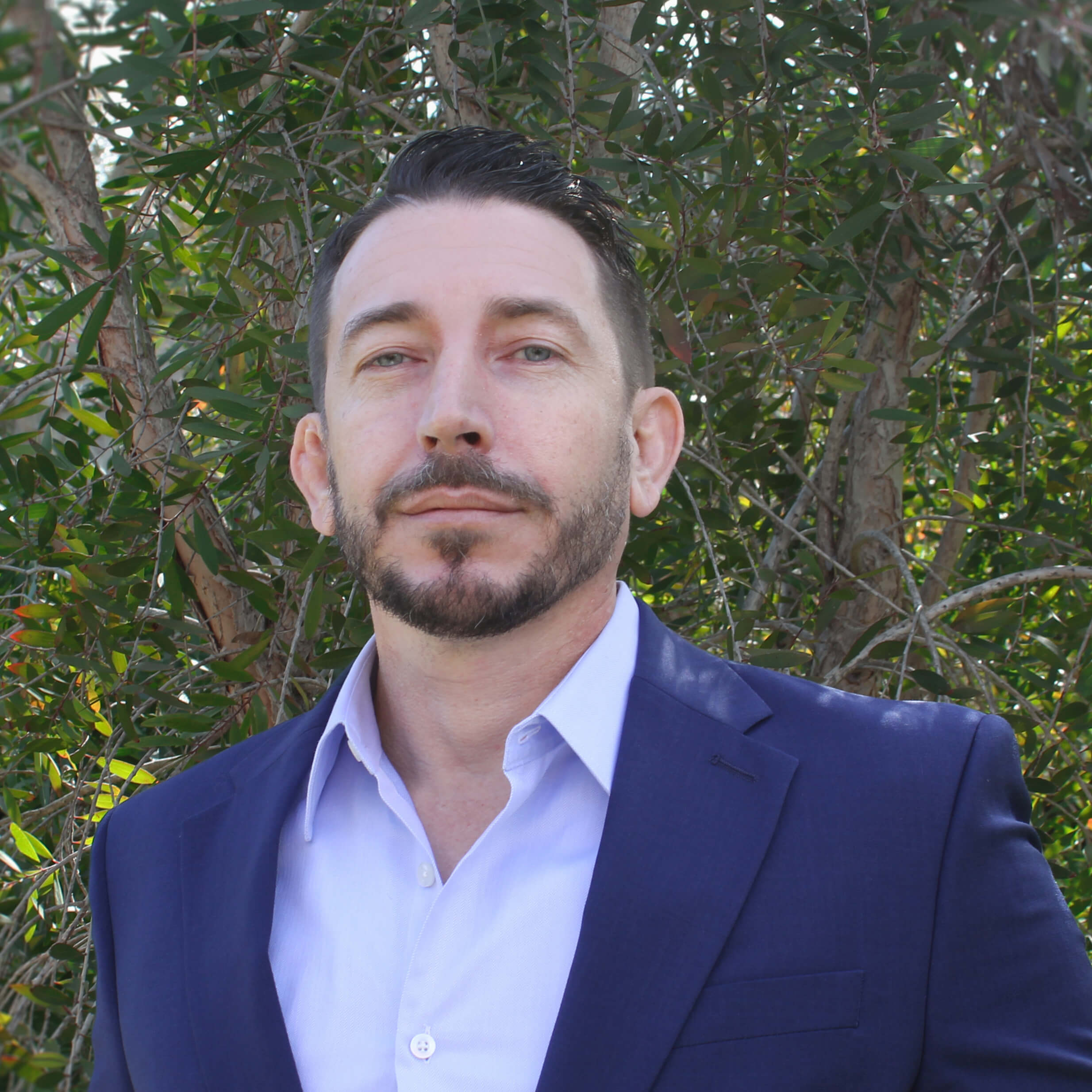
Cole Dyar is the Executive Director & co-founder of Neurish Wellness. He has been working in the behavioral health field in operational, clinical, organizational, and managerial capacities for thirteen years. He holds a degree from the University of California, Santa Cruz in sociology and is a Licensed Advanced Alcohol and Drug Counselor (LAADC) as recognized by CCAPP. Cole holds a Master of Science in Industrial/Organizational Psychology including: Organizational Leadership and Design, a Post-Masters in General Marriage and Family Therapy, and is currently a doctoral candidate in MFT with an emphasis in Systemic Administration & Entrepreneurship.