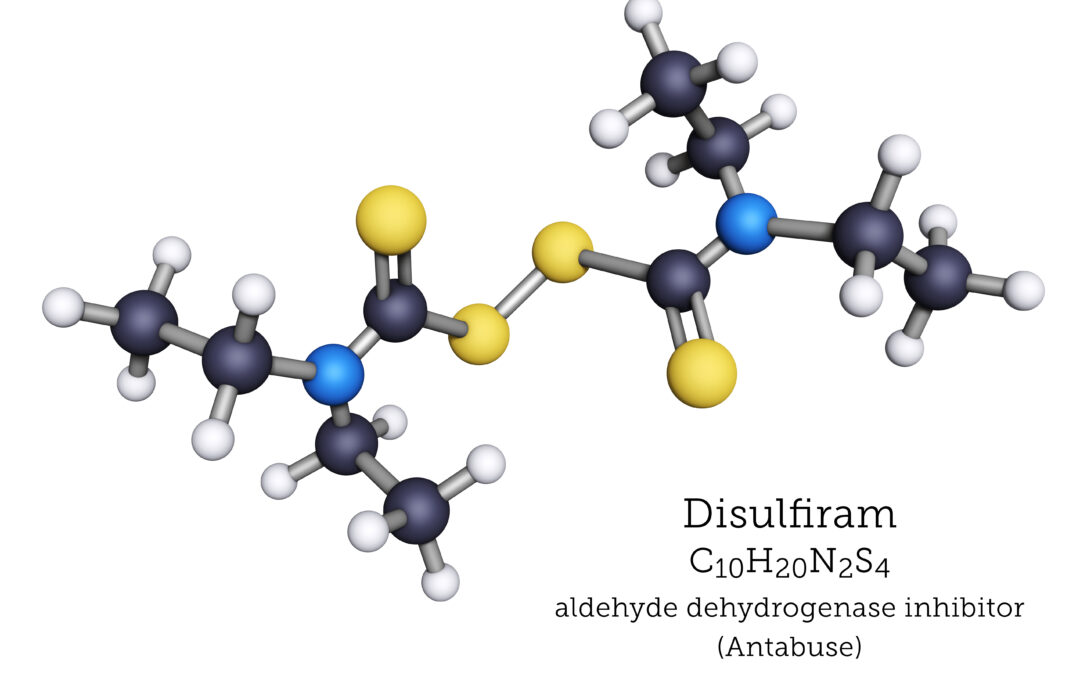
Starting a medication like Antabuse often means you’re trying to make a meaningful change in alcohol use. Of course, it’s common to feel nervous or unsure about how the medication works and what it may do to your body.
This article explains what Antabuse side effects to expect, how it works, important warnings and precautions, and why the medication is often most effective when combined with broader recovery support.
What Is Antabuse, and How Does It Work?
Antabuse, also known as disulfiram, is a medication prescribed to support alcohol abstinence. Rather than reducing cravings or easing withdrawal, it works by creating a strong physical deterrent to drinking. For some people, this added layer of accountability can help reinforce a decision to avoid alcohol.
Disulfiram interferes with how the body processes alcohol. If alcohol is consumed, it causes a rapid buildup of toxic byproducts that lead to immediate and uncomfortable reactions. Because it’s designed to trigger these effects, its side effect profile is very different from other medications used in alcohol recovery.
Is Antabuse Addictive?
Antabuse isn’t considered addictive because it doesn’t cause euphoria, reinforce compulsive use, or create cravings. People don’t develop tolerance that requires increasing doses, and stopping the medication doesn’t cause withdrawal symptoms.
However, Antabuse fails to treat the emotional, behavioral, and psychological drivers of alcohol use. This is one reason many people need more than medication alone to maintain long-term recovery.
Important Antabuse Warnings and Precautions
Before taking Antabuse, it’s important to review your medical history, medications, and daily habits with a provider.
Key precautions include:
- Avoiding all sources of alcohol, including hidden exposures
- Disclosing liver conditions, heart disease, or mental health concerns
- Reviewing medications and supplements for interactions
Following Antabuse warnings and precautions reduces risk, but it doesn’t address the underlying causes of alcohol use on its own.
Common Antabuse Side Effects and When to Get Help
Some disulfiram side effects can occur even when you haven’t consumed alcohol. These are often mild, especially early on, and may lessen as the body adjusts. Antabuse side effects include:
- Fatigue or drowsiness
- Headache
- Nausea or stomach discomfort
- Dizziness or lightheadedness
- Skin reactions such as rash or itching
- Metallic or bitter taste in the mouth
In rarer cases, disulfiram side effects may signal a more serious reaction and require medical attention. Seek help right away if you experience:
- Severe chest pain
- Difficulty breathing
- Vision changes
- Yellowing of the skin or eyes
- Extreme weakness or confusion

Levels of Care Available for Alcohol Recovery
Recovery often requires different types of support at different stages. We can help you find a continuum of care designed to support individuals beyond medication alone, including:
- Detox services to help individuals stabilize safely during alcohol withdrawal
- Residential treatment for structured, immersive support for early recovery
- Medication-assisted treatment (MAT) using Antabuse with clinical oversight to help prevent relapse
- Sober living options that provide accountability and stability as individuals transition into long-term recovery
These services work together to support physical stabilization, emotional health, and long-term recovery planning.
Considering What Comes After Medication
Antabuse can be a helpful tool, but it is rarely the full solution. Side effects, strict precautions, and the emotional side of recovery all deserve careful attention. For many people, combining medication with structured treatment and ongoing support leads to more stable and sustainable progress.
Getting Support While Exploring Treatment Options
If you’re exploring Antabuse or concerned about side effects, it may help to talk with professionals who understand both medication and recovery. We offer confidential guidance for individuals and families navigating alcohol treatment options. Reaching out does not mean committing to treatment. It simply means you don’t have to sort through these decisions alone.
Reach out today, and we can help you navigate your questions about recovery.
FAQs About Antabuse Side Effects
How do you remove disulfiram from the body?
Disulfiram leaves the body gradually. Its effects can remain for up to two weeks after the last dose, which means you should still avoid alcohol during that time.
Is disulfiram life-threatening?
Disulfiram itself isn’t usually life-threatening when taken as prescribed. However, drinking alcohol while on Antabuse can cause severe reactions that may require medical attention.
How severe are Antabuse reactions with alcohol?
Reactions can be intense and occur quickly, even with small amounts of alcohol. Symptoms may include flushing, nausea, chest discomfort, and breathing difficulty.
How long do Antabuse side effects last?
Mild side effects may lessen as the body adjusts. Alcohol-related reactions can last several hours and sometimes longer, depending on individual health factors.
Can Antabuse be taken without therapy or treatment?
It can be prescribed on its own, but many people experience better outcomes when they combine medication with counseling or structured recovery support.
Who should not take Antabuse?
People with certain liver conditions, heart disease, or specific mental health concerns may not be appropriate candidates. You can ask your healthcare provider if Antabuse might be a safe and helpful option for you.
What happens if you drink alcohol while on Antabuse?
Drinking alcohol while taking Antabuse can cause a rapid and intense physical reaction, even with small or accidental exposure. This is why Antabuse warnings and precautions must be followed carefully at all times.
© Mental Health House, LLC DBA Neurish Wellness
CONTACT US
Phone: (866) 525 5197
Email: info@neurishwellness.com
Privacy Policy | Blog | Rehab for Professionals
[license_text]
© Mental Health House, LLC DBA Neurish Wellness
CONTACT US
Phone: (866) 525 5197
Email: info@neurishwellness.com
Privacy Policy | Blog | Rehab for Professionals
[license_text]

Cole Dyar is the Executive Director & co-founder of Neurish Wellness. He has been working in the behavioral health field in operational, clinical, organizational, and managerial capacities for thirteen years. He holds a degree from the University of California, Santa Cruz in sociology and is a Licensed Advanced Alcohol and Drug Counselor (LAADC) as recognized by CCAPP. Cole holds a Master of Science in Industrial/Organizational Psychology including: Organizational Leadership and Design, a Post-Masters in General Marriage and Family Therapy, and is currently a doctoral candidate in MFT with an emphasis in Systemic Administration & Entrepreneurship.