

Making the decision to enter rehab is a big step. For many people, it comes after months or years of trying to manage addiction quietly, hoping things would improve on their own. Once you’re in treatment, though, how do you actually make the experience count? Rehab isn’t something that works by default just because you show up. The people who tend to benefit the most are the ones who understand what recovery really asks of them and lean into the process with intention. Getting the most out of rehab means engaging emotionally, mentally, physically, and sometimes spiritually in ways that support long-term change. Let’s look at some of the ways to do it.
Why Faith and Belief Can Strengthen the Rehab Experience
For some individuals, addiction recovery isn’t only about breaking a physical dependency. It’s also about restoring meaning, values, and a sense of direction that may have been lost along the way. That’s where faith-based treatment can play an important role. On the west coast, for example, LINKS offers a Christian rehab in California that integrates spiritual support alongside clinical care to address the deeper questions many people carry into treatment.
Faith-centered rehab can provide a moral and emotional framework that helps individuals rebuild trust in themselves and others. For those who identify as Christian, treatment that aligns with personal beliefs can remove internal resistance and shame, replacing it with hope, accountability, and forgiveness. Spiritual practices like prayer, scripture-based counseling, and community worship can also help people regulate stress and find grounding during emotionally intense moments in rehab. When beliefs and treatment goals work together instead of competing, people often feel more invested in the process and more motivated to follow through.
Understanding Attachment Trauma and How It Shows Up in Recovery
Many people enter rehab focused solely on substance use, only to discover that their addiction is closely tied to early relational wounds. Attachment trauma develops when basic emotional needs for safety, connection, and consistency were not reliably met, often during childhood. These experiences can shape how someone relates to others, handles stress, and copes with emotional pain later in life.
Unresolved attachment wounds can drive patterns like fear of abandonment, difficulty trusting others, emotional shutdown, or intense anxiety around relationships. In rehab, these patterns may surface in group settings, relationships with staff, or reactions to structure and boundaries. Rather than seeing these responses as problems, effective treatment helps clients recognize them as signals pointing to deeper healing work.
When you understand your attachment style, rehab becomes more than behavior change. It becomes a space to practice healthier ways of connecting, expressing needs, and tolerating emotional closeness. Engaging honestly in therapy around these issues can make rehab far more transformative and reduce the risk of returning to old coping strategies after discharge.

Embracing a Holistic Approach to Mental Health During Rehab
Addiction rarely exists in isolation. Anxiety, depression, trauma, and chronic stress are often part of the picture, even if they weren’t obvious at first. That’s why rehab programs that take a holistic mental health approach tend to offer more lasting results. Holistic care looks at how emotional health, physical wellbeing, thought patterns, and environment all interact.
Holistic mental health treatment focuses on more than symptom management. It may include therapy, mindfulness practices, nervous system regulation, nutrition, movement, and lifestyle support. Addressing the whole person helps individuals build resilience rather than relying on substances to cope. In rehab, engaging with these approaches can help you understand your triggers, regulate emotions more effectively, and develop routines that support recovery outside of treatment.
Taking Responsibility Without Carrying Shame
One of the most powerful mindset shifts in rehab is learning the difference between responsibility and shame. Taking responsibility means acknowledging how addiction has affected your life and committing to change. Shame, on the other hand, keeps people stuck, silent, and disconnected. Rehab works best when individuals are willing to be honest without punishing themselves emotionally.
Participating fully in therapy, asking questions, and sharing openly in groups can feel uncomfortable at first. However, growth often happens in those moments of discomfort. When you allow yourself to be seen as you are, rather than who you think you should be, treatment becomes more effective. Rehab is not about proving worth or perfection. It’s about learning, practicing, and rebuilding step by step.
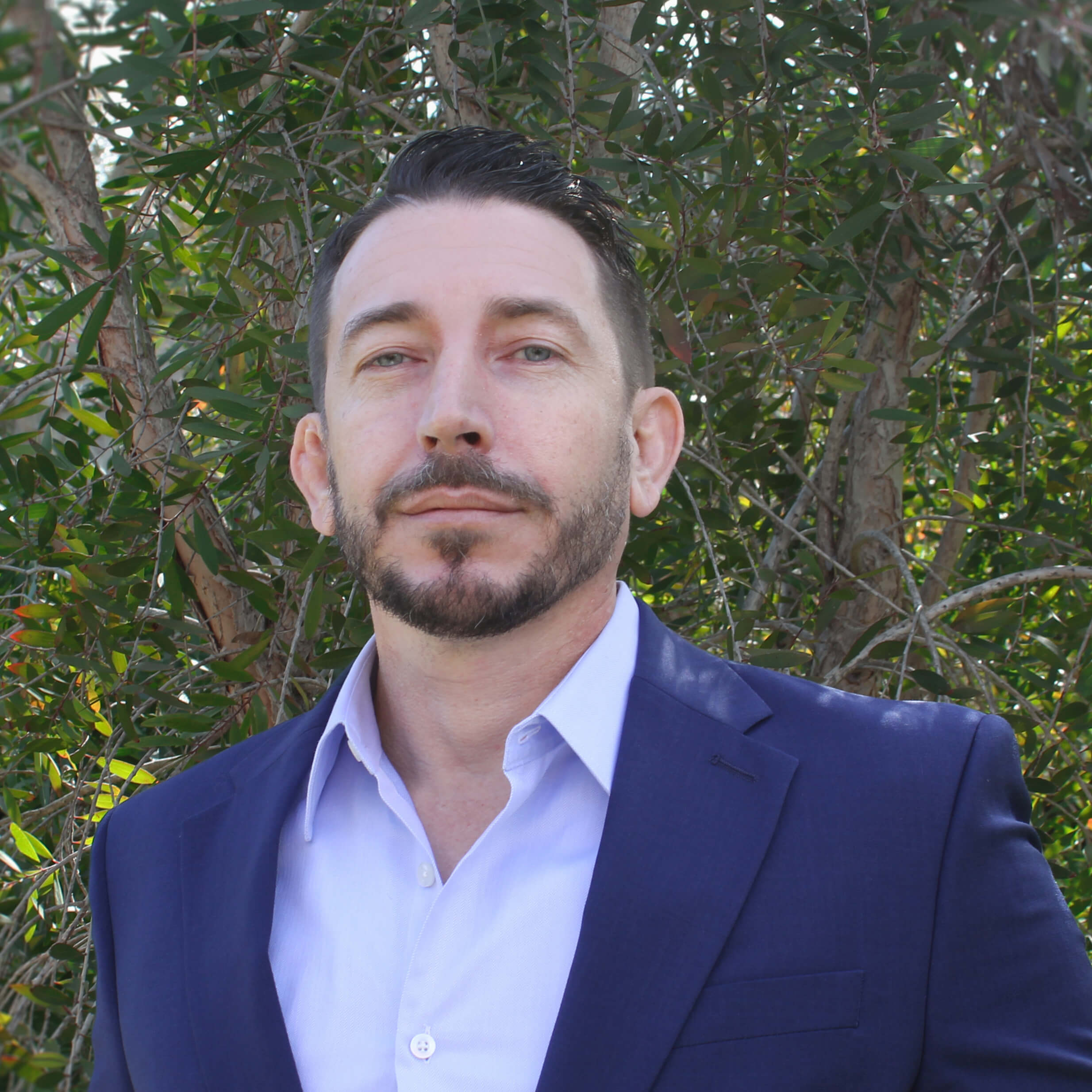
Cole Dyar is the Executive Director & co-founder of Neurish Wellness. He has been working in the behavioral health field in operational, clinical, organizational, and managerial capacities for thirteen years. He holds a degree from the University of California, Santa Cruz in sociology and is a Licensed Advanced Alcohol and Drug Counselor (LAADC) as recognized by CCAPP. Cole holds a Master of Science in Industrial/Organizational Psychology including: Organizational Leadership and Design, a Post-Masters in General Marriage and Family Therapy, and is currently a doctoral candidate in MFT with an emphasis in Systemic Administration & Entrepreneurship.