
When you picture mental health care, you might think of a therapist’s office, a prescription, or a long waitlist for specialized services. But the truth is, there are more options than ever before, and they’re not all tucked inside a traditional clinic setting. New approaches are emerging that combine accessibility, science, and even spiritual care to help people find the type of support that fits their needs and values. These aren’t one-size-fits-all solutions, they’re entry points into healing that can be tailored to your personality, your goals, and your life stage. Here, you’ll discover six different modalities that could be part of your journey toward better mental health.
Walk-In Clinics That Remove the Waiting Game

Mental health crises don’t always wait for a scheduled appointment. Walk-in mental health clinics are stepping in to bridge the gap between long-term care and immediate support. These clinics offer same-day access to licensed professionals who can assess your situation, provide short-term counseling, and connect you to longer-term services if needed.
It’s not just about speed, it’s about lowering the barriers that stop people from getting help when they need it most. Some clinics even offer an online intake process that feels as seamless as scrolling through a well-designed shopping website, giving you the clarity and ease you need in moments of high stress.
Faith-Informed Approaches to Recovery
For some people, spiritual beliefs are inseparable from their sense of self and their motivation to heal. In addiction treatment, this can mean choosing programs that weave those beliefs into every step of the process. A Christian drug rehab program, for example, integrates evidence-based therapies with spiritual guidance, prayer, and community support grounded in shared values in Christ. This approach can be truly helpful for those who feel that standard treatment models leave out a core part of who they are.
The combination of clinical structure and Christ-centered encouragement creates a support network that extends beyond discharge, helping individuals stay rooted in their recovery goals. Whether it’s scripture-based group sessions, pastoral counseling, or simply having a recovery sponsor who understands your faith perspective, the spiritual layer adds a dimension of meaning that can make the work of healing feel deeply personal.
Intensive Outpatient Programs That Balance Care and Independence
Not everyone needs, or can commit to, full-time residential treatment. Intensive outpatient programs (IOPs) provide a structured, multi-hour schedule of therapy several days a week while allowing participants to live at home. This model offers the best of both worlds: the consistency and accountability of a formal program without requiring complete separation from daily life.
IOPs often include individual therapy, group sessions, and skill-building workshops focused on coping strategies, emotional regulation, and relapse prevention. Because you’re still engaging in your regular routines, you get real-time opportunities to apply what you’re learning, with professional support to process challenges as they arise.
Somatic Therapies That Address the Body-Mind Connection
Mental health treatment options have long been dominated by talk-based therapies, but science is increasingly recognizing the role the body plays in storing and processing emotional pain. Somatic therapies focus on reconnecting with bodily sensations and using movement, breathwork, and mindfulness to release tension and trauma.
Techniques like Somatic Experiencing, sensorimotor psychotherapy, and trauma-informed yoga aim to reset the nervous system so that the body no longer signals a constant state of threat. These therapies can be transformational for people whose symptoms include chronic pain, hypervigilance, or dissociation. By tuning into the body and learning to interpret its cues, clients often find that their emotional resilience grows alongside physical relief.

Group Therapy as a Micro-Community for Healing
Healing can feel less lonely when you’re surrounded by people who understand your struggles firsthand. Group therapy creates an opportunity for participants to share their experiences, offer healthy feedback, and learn from one another under the guidance of a trained facilitator. The structure varies. Some groups focus on specific diagnoses like depression or anxiety, while others center on life experiences such as grief or caregiving stress.
Group settings normalize mental health challenges and provide social learning opportunities that individual therapy alone can’t offer. They also build a sense of accountability; members often find motivation in showing up for each other, not just for themselves. For many, group therapy becomes a consistent anchor in their week, helping them practice vulnerability, empathy, and communication in a supportive environment.
Ecotherapy for Nature-Based Restoration
Sometimes, the most therapeutic setting isn’t indoors at all. Ecotherapy uses the natural environment as a co-therapist, whether through guided walks, horticultural therapy, or outdoor mindfulness sessions. Nature-based interventions are shown to reduce stress hormones, lower blood pressure, and improve mood.
There’s something powerful about working through emotional challenges while physically connected to the rhythms of the natural world. Ecotherapy can be adapted for urban environments too, making use of parks, rooftop gardens, and community green spaces. This modality can feel less intimidating than sitting in an office, and for some, it opens the door to a deeper, more sustainable form of healing.
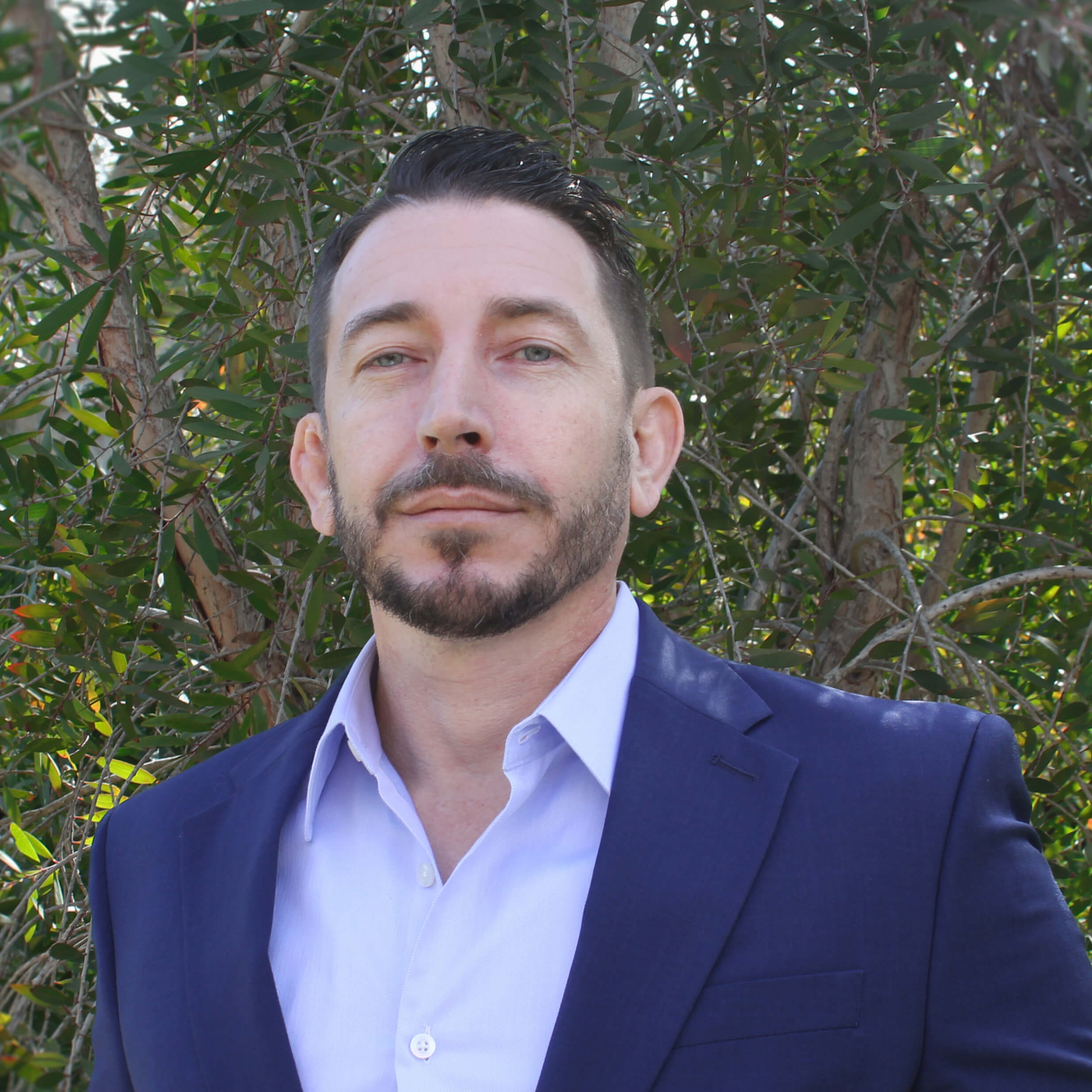
Cole Dyar is the Executive Director & co-founder of Neurish Wellness. He has been working in the behavioral health field in operational, clinical, organizational, and managerial capacities for thirteen years. He holds a degree from the University of California, Santa Cruz in sociology and is a Licensed Advanced Alcohol and Drug Counselor (LAADC) as recognized by CCAPP. Cole holds a Master of Science in Industrial/Organizational Psychology including: Organizational Leadership and Design, a Post-Masters in General Marriage and Family Therapy, and is currently a doctoral candidate in MFT with an emphasis in Systemic Administration & Entrepreneurship.