
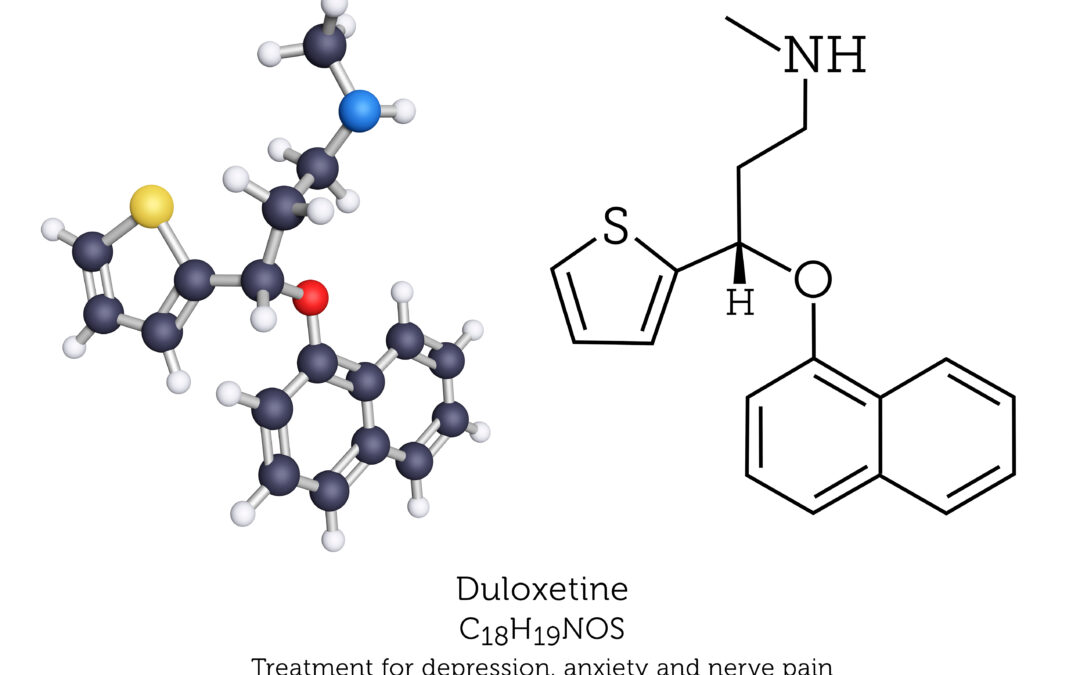
Quick Answer: Cymbalta withdrawal symptoms can include dizziness, nausea, headaches, fatigue, anxiety, irritability, insomnia, sweating, diarrhea, and unusual sensory sensations such as tingling or brain zaps. Symptoms are more likely when you stop duloxetine suddenly or reduce it too quickly, and their intensity and duration can vary from person to person.
Cymbalta is the brand name for duloxetine, an antidepressant used for depression, generalized anxiety disorder, and certain chronic pain conditions.
Why Is Cymbalta Withdrawal So Difficult?
Cymbalta is known for having a harder withdrawal than many other antidepressants, and the main reason is its short half-life. Duloxetine leaves the body relatively quickly (its half-life is roughly 12 hours), so when a dose is missed or reduced, blood levels drop fast, and the brain has little time to adjust. That rapid drop is what drives the dizziness, brain zaps, and other discontinuation symptoms people report.
This is also why tapering slowly matters more with Cymbalta than with longer-acting antidepressants. One pooled analysis of clinical trials found that when people stopped duloxetine abruptly, about 44% experienced discontinuation symptoms, compared with roughly 23% of those on a placebo. Reducing the dose gradually, under the guidance of the prescribing clinician, gives the brain time to catch up and may make Cymbalta withdrawal symptoms less intense.
Should I Stop Cymbalta On My Own?
If you’re thinking about quitting, you might wonder if you can just do it on your own. It sounds simple enough—just stop taking the pills, right? But the reality is that Cymbalta withdrawal effects can be a lot tougher than they seem.
Because of that short half-life, tapering too quickly or stopping suddenly can trigger difficult symptoms that may last weeks or even months, which is why a gradual, clinician-guided taper is the safest approach.
The symptoms can be really uncomfortable, and without the right support, you might even find yourself wanting to start taking the medication again just to make the bad feelings stop. This is why specialized mental health support is crucial because it gives you access to counseling and other therapies that can help you deal with the emotional side of quitting Cymbalta. This can make the whole process a lot smoother and less stressful.
Common Cymbalta (Duloxetine) Withdrawal Symptoms
Cymbalta withdrawal symptoms generally fall into two groups, physical and psychological:
Physical Symptoms of Withdrawal from Cymbalta
Nausea and Vomiting
One of the most common signs is feeling sick and often throwing up at the same time. This can be very upsetting, and you may need to make changes to your food or take medicine to deal with it.
Dizziness and Balance Issues
A lot of people feel dizzy, have vertigo, or feel off balance. These signs can make it harder to do everyday things and make you more likely to fall.
Headaches
People also often report having severe headaches. These can be mild to serious, and they might last for a few days.
Psychological Symptoms of Withdrawal from Cymbalta
Anxiety and Irritability
When you stop taking Cymbalta, you might feel more anxious and irritable. These feelings might be worse than the worry that the medicine was supposed to treat.
Depression and Mood Swings
It’s possible for depressive symptoms like mood swings and mental instability to come back or get worse. This can be especially hard and might need to be closely watched.
Insomnia
Not getting enough restful sleep can make other withdrawal signs worse and hurt your health in general.

What Should You Do If Cymbalta Withdrawal Symptoms Are Hard To Manage?
If Cymbalta withdrawal symptoms become difficult to manage, contact the clinician responsible for the medication before making additional dose changes on your own. One option they may use is reinstatement: if symptoms become intolerable after a dose reduction, the FDA prescribing information advises resuming the previously prescribed dose and then reducing more gradually. This usually settles severe symptoms within days and signals that the last step down was too large.
To decide the safest next step, a clinician may review:
- The current dose and how quickly it was reduced
- How long you’ve been taking Cymbalta, and any past reactions to missed doses
- Other medications you take and why duloxetine was originally prescribed
- Whether depression, anxiety, or pain symptoms are returning, and how they’re affecting sleep and daily functioning
This helps the clinician determine whether the medication plan needs adjusting or whether added psychiatric or therapeutic support would help.

How Long Do Cymbalta Withdrawal Symptoms Last?
Cymbalta withdrawal symptoms can begin within several days of reducing or stopping duloxetine, but there is no universal withdrawal timeline. Some people improve relatively quickly, while others may experience symptoms for several weeks or longer.
Several factors may influence the severity or duration of symptoms:
- Speed of dose reduction: Larger or faster reductions may make symptoms more noticeable.
- Length of treatment: People who have taken duloxetine longer may need more time to adjust to medication changes.
- Current dose: The amount you take and the size of each reduction can affect your response.
- Previous withdrawal symptoms: Reactions to earlier dose changes or missed doses can be relevant.
- Individual sensitivity: People respond differently to changes in antidepressant medication.
When Do Withdrawal Symptoms Need Emergency Care?
Some Cymbalta withdrawal symptoms can be severe and might even require a trip to the emergency room. If you experience symptoms like intense confusion, extreme agitation, seizures, or severe dizziness that makes it hard to stay on your feet, don’t wait—get to the E.R. right away. These symptoms could signal something more serious, and it’s crucial to get medical attention as soon as possible.
Withdrawal from Cymbalta isn’t just about the physical symptoms; it can also take a toll on your mental health. This is why getting professional help can make a world of difference.
So, if you’re struggling with withdrawal or just want to make sure you quit Cymbalta safely and effectively, contacting us is a smart move. It’s about more than just getting through the rough patches—it’s about building a solid foundation for a healthier, happier future.
What If Your Mental Health Symptoms Return After Stopping Cymbalta?
Depression, anxiety, sleep problems, or other symptoms can return after Cymbalta is reduced or discontinued, particularly if the condition being treated is still active. These changes should not automatically be labeled as withdrawal.
A professional medical assessment can review what symptoms existed before Cymbalta, how they changed during treatment, what appeared after the dose reduction, and how many current symptoms affect daily life. That distinction can help determine whether the next step involves medication management, therapy, closer psychiatric monitoring, or another mental health level of support.
How Neurish Wellness Approaches Medication And Mental Health Changes
At Neurish Wellness, we provide comprehensive mental health care to empower individuals struggling with mental health issues. Our team of experienced behavioral health experts offers personalized care that treats the whole person, not just their symptoms. We utilize innovative, holistic, and clinically sophisticated treatment tailored to each individual’s needs and circumstances, including individual therapy services, anxiety treatment, and depression treatment.
If you or a loved one is struggling with mental health issues, please do not hesitate to contact us. Our team is available to provide support and answer any questions you may have. Reach out to Neurish Wellness today for help navigating Cymbalta withdrawal symptoms and moving toward a healthier, happier life.
FAQs About Cymbalta (Duloxetine) Withdrawal Symptoms
Can Cymbalta Withdrawal Cause Brain Zaps?
Yes, a lot of people say they have “brain zaps,” which are quick electrical shock-like feelings in the brain. These happen a lot when you stop taking Cymbalta or other antidepressants, and they can be very upsetting.
Is Cymbalta Withdrawal Dangerous?
Cymbalta withdrawal can be very painful, but it’s usually not dangerous. But you should see a doctor immediately if you experience serious symptoms like extreme depression or thoughts of suicide.
Can Cymbalta Withdrawal Make Anxiety Worse?
Anxiety can occur during Cymbalta withdrawal, but it may also indicate that an underlying anxiety disorder is returning. Timing, physical withdrawal symptoms, and how closely the anxiety resembles previous episodes can help a clinician determine what may be contributing.
Can Cymbalta Withdrawal Affect Appetite?
It’s true that during Cymbalta withdrawal, appetite changes, such as appetite reduction or increased desires, can happen. Your overall dietary intake and energy levels may be impacted by these changes.
What Should I Do If I Miss a Dose of Cymbalta?
Take Cymbalta as soon as you remember if you miss a dosage. If it’s almost time for the next dose, though, skip the missed one and get back to your routine. Avoid taking two doses at once. Abrupt dosage interruptions may exacerbate withdrawal symptoms from Cymbalta.
Can I stop duloxetine cold turkey?
Because Cymbalta withdrawal symptoms can be very bad, stopping your medication all of a sudden, or “cold turkey,” is usually not a good idea. It’s important to talk to a healthcare expert and make a gradual tapering plan.
Are there any supplements that can help with duloxetine withdrawal symptoms?
Omega-3 fatty acids, magnesium, and B vitamins are some supplements that may help ease some of the signs of withdrawal, but make sure to talk to a doctor before taking any new supplements.
How can I differentiate between duloxetine withdrawal symptoms and a relapse?
Cymbalta withdrawal symptoms can include feeling physically sick and dizzy, while a relapse mostly involves returning to the original depression or anxiety symptoms you experienced before taking the medication. A healthcare worker can help you tell the difference between the two.
What should I do if my duloxetine withdrawal symptoms become unmanageable?
Please, see a doctor right away if your withdrawal signs get too bad to handle, or call the 988 Lifeline or 911 in case of emergency. To help ease your symptoms, your doctor may change your tapering plan or give you more treatments.

Cole Dyar is the Executive Director & co-founder of Neurish Wellness. He has been working in the behavioral health field in operational, clinical, organizational, and managerial capacities for thirteen years. He holds a degree from the University of California, Santa Cruz in sociology and is a Licensed Advanced Alcohol and Drug Counselor (LAADC) as recognized by CCAPP. Cole holds a Master of Science in Industrial/Organizational Psychology including: Organizational Leadership and Design, a Post-Masters in General Marriage and Family Therapy, and is currently a doctoral candidate in MFT with an emphasis in Systemic Administration & Entrepreneurship.