
When women gather in spaces designed exclusively for their needs, something shifts. The tone of the room changes, the pace of the conversations slows down in a good way, and a sense of safety often takes root where vulnerability is welcome. In the field of eating disorder treatment, these shifts are not just comforting—they can make a real difference in recovery outcomes. Women-only centers aren’t about exclusion for the sake of it; they’re about recognizing the layered challenges that women face and offering an environment that truly speaks to them.
The Power Of Shared Experience
Recovery thrives in places where people feel seen. For women working through disordered eating, that sense of being understood comes alive when everyone in the group has lived through similar cultural expectations. The pressure to stay small, to look “effortless,” to carry careers and families while still fitting into unrealistic molds—all of it lands differently on women. When treatment happens in mixed-gender spaces, it’s easy for those dynamics to get diluted or overlooked.
At women-only centers, no one has to explain why food becomes complicated in a world that constantly critiques women’s bodies. The shared cultural weight is already understood, freeing the conversation to go deeper. That unspoken common ground helps women drop their guard faster, and when defenses come down, healing can move forward.
Creating An Environment Of Safety
Trust is one of the hardest parts of treatment, and for many women, especially those who have experienced trauma, feeling safe in mixed-gender settings can be challenging. A women-only environment minimizes the fear of judgment and creates space where clients can open up without worrying about how their honesty might be perceived by men.
Safety also extends beyond the emotional. Many women with eating disorders carry histories of anxiety, depression, or trauma. When the treatment space is designed exclusively for them, everything from the language used to the therapeutic approaches chosen reflects a deeper understanding of those intersecting challenges. That creates a climate where openness feels natural, not forced, and that sense of being fully accepted often becomes the turning point in recovery.
Call us at (866) 525-5197 to learn more about
medication management,
anxiety treatment, and
major depressive disorder treatment.
Building A Language For Healing

Conversations about body image, shame, and recovery take on new depth when everyone in the room is speaking the same unfiltered truth. Women-only centers offer that chance to speak plainly, to explore the complicated relationship between food, identity, and worth.
This is where understanding bulimia in particular benefits from gender-specific treatment. Women often share cultural scripts that reinforce secrecy, guilt, and the pressure to appear in control. Discussing those themes in a supportive, women-centered space helps break down the layers of silence. Clients feel more comfortable naming the patterns that hold them back, which makes therapy more productive. It’s not about endlessly dissecting problems but about having the right audience to hear the story and reflect it back with compassion.
Why Specialized Spaces Drive Better Outcomes
When women-only programs thrive, it’s not by chance. The staff are trained to recognize how female-specific pressures—from puberty through motherhood and beyond—intersect with eating disorder behaviors. Therapy sessions, group work, and even meal support are structured with these realities in mind.
It’s one reason why places like Casa Capri Recovery are known for setting new standards of care. Their approach highlights how tailoring treatment for women produces measurable differences in long-term recovery. By removing distractions and creating targeted strategies, these programs reinforce self-worth and build confidence that extends far beyond the treatment period.
Outcomes improve because the treatment isn’t generic. It doesn’t treat eating disorders as though they look the same in everyone. Instead, it recognizes that women carry unique pressures and deserve care that acknowledges those realities without apology.
Community Beyond Treatment
One of the most powerful aspects of women-only centers is the sense of community that lasts after discharge. When women meet others who have been through the same program, they carry those bonds forward. Recovery doesn’t stop at the facility doors—it’s sustained by relationships that remind women they’re not facing the ups and downs alone.
In mixed-gender programs, those kinds of bonds can still form, but they often carry added complications. In women-only centers, the connections are cleaner, more grounded in shared experiences, and less likely to drift into dynamics that might complicate recovery. That stability matters in the months and years after treatment when vulnerability can resurface. Knowing there’s a network of women who understand is one of the most underrated but lasting benefits of gender-specific care.
Reframing Strength And Self-Worth

Women are often told to be strong in ways that dismiss vulnerability, but in recovery, strength looks very different. Women-only centers give permission to redefine what strength means. It’s not about pushing through or pretending everything is fine. It’s about asking for help, receiving it, and trusting that you deserve it.
In these settings, conversations about worth move beyond appearances. They shift toward identity, relationships, and the future. Women learn to separate self-worth from societal pressure, and that clarity is one of the most powerful gifts recovery can give. When treatment centers focus exclusively on women, they create the conditions for this reframing to happen naturally, without distraction or compromise.
Closing Reflections
Women-only treatment centers for eating disorders succeed because they don’t just treat symptoms—they rebuild a sense of safety, belonging, and identity that women need to heal. The impact goes beyond immediate recovery and creates a foundation for long-term wellness. In a world that often measures women by impossible standards, these spaces provide a rare counterbalance: a place where women are encouraged to take up space, speak their truth, and discover that their value has nothing to do with how they look and everything to do with who they are.
And that’s why women-only centers aren’t just better—they’re essential.
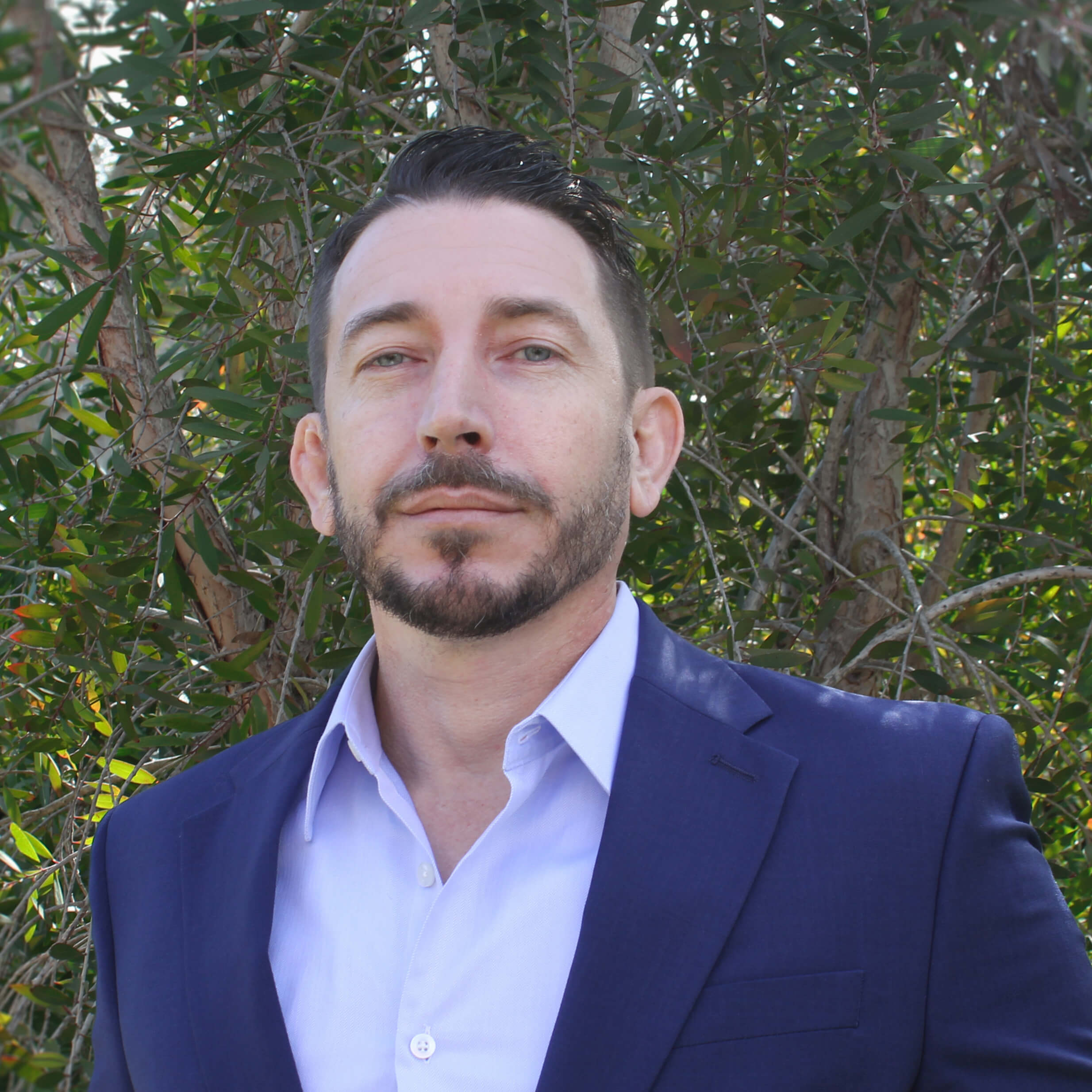
Cole Dyar is the Executive Director & co-founder of Neurish Wellness. He has been working in the behavioral health field in operational, clinical, organizational, and managerial capacities for thirteen years. He holds a degree from the University of California, Santa Cruz in sociology and is a Licensed Advanced Alcohol and Drug Counselor (LAADC) as recognized by CCAPP. Cole holds a Master of Science in Industrial/Organizational Psychology including: Organizational Leadership and Design, a Post-Masters in General Marriage and Family Therapy, and is currently a doctoral candidate in MFT with an emphasis in Systemic Administration & Entrepreneurship.