

When someone leaves residential treatment and doesn’t feel significantly better—or relapses into distressing thoughts, emotions, or behaviors—it can be devastating. Whether you’re the individual seeking care or a loved one trying to support them, the question looms large: “What now?”
At Neurish, we believe that a single “unsuccessful” stay doesn’t mean you’re untreatable. It means we need to take a closer look at why previous approaches didn’t work—and design something that actually fits.
Why Inpatient Mental Health Treatment Sometimes Falls Short
There’s a common myth that one round of inpatient treatment should fix everything. But mental health recovery—especially for those with treatment-resistant depression, chronic anxiety, or complex trauma—is rarely that simple. Mental health isn’t like surgery; it’s not a single procedure with a predictable outcome. Instead, it’s a process that often unfolds over time and requires a precise match between diagnosis, environment, therapeutic method, and individual readiness.
When treatment doesn’t “stick” the first time, it’s often not because someone didn’t try hard enough. It’s because something in the system missed the mark.
Common System Failures
Many residential mental health programs are built on a one-size-fits-all model. They rely on rigid timelines, surface-level assessments, or outdated clinical approaches that don’t meet the needs of people with complex or co-occurring mental health conditions. Some common reasons treatment fails include:
- Misdiagnosis or partial diagnosis
- Poor integration between psychiatry and therapy
- Lack of aftercare planning or support post-discharge
- A mismatch between the individual’s needs and the level of care provided
Even with the best intentions, not all programs are equipped to evolve with the client’s condition or pivot when something isn’t working.
How Treatment Plans Evolve
When someone returns for another stay—or seeks a second opinion—this is not a failure. It’s an opportunity to learn more, fine-tune the approach, and build a more stable foundation. At Neurish, we use every point of data, including prior treatment experiences, to develop highly individualized care.
We re-evaluate the original diagnosis and look for overlooked or masked conditions, such as thought disorders, bipolar spectrum presentations, or atypical forms of depression and anxiety. We assess the person’s current level of functioning and determine which level of care is truly appropriate—whether that means our Crisis Stabilization, full Residential Mental Health Treatment, or stepping into virtual outpatient care with robust support. This allows us to create a flexible, adaptive, and long-term care plan that actually works.

Why Neurish Approaches “Retry” Treatment Differently
We don’t see repeated attempts at healing as a sign of failure. We see them as part of a complex recovery arc that demands clinical nuance, flexibility, and true partnership.
What makes Neurish different is our ability to hold complexity—without rushing to conclusions or forcing progress. Our programs are designed to meet people where they are, whether it’s their first time in residential treatment or their fifth. With a team of psychiatrists, licensed therapists, and support staff trained to handle treatment-resistant conditions, we offer care that evolves as you do.
That includes:
- Longer or more flexible timelines
- Medication reevaluation and advanced psych testing
- Trauma-informed approaches for people who’ve felt misunderstood elsewhere
- Seamless step-downs to outpatient care when appropriate
If you’ve tried residential treatment before and it didn’t help, don’t give up. It may not be you that failed—it may have been the system. Neurish specializes in complex, treatment-resistant mental health cases. Whether you’ve been through multiple programs or are just beginning to explore what’s possible, we’re here to help you move forward—with clinical clarity, not shame.
Let’s build something better together.
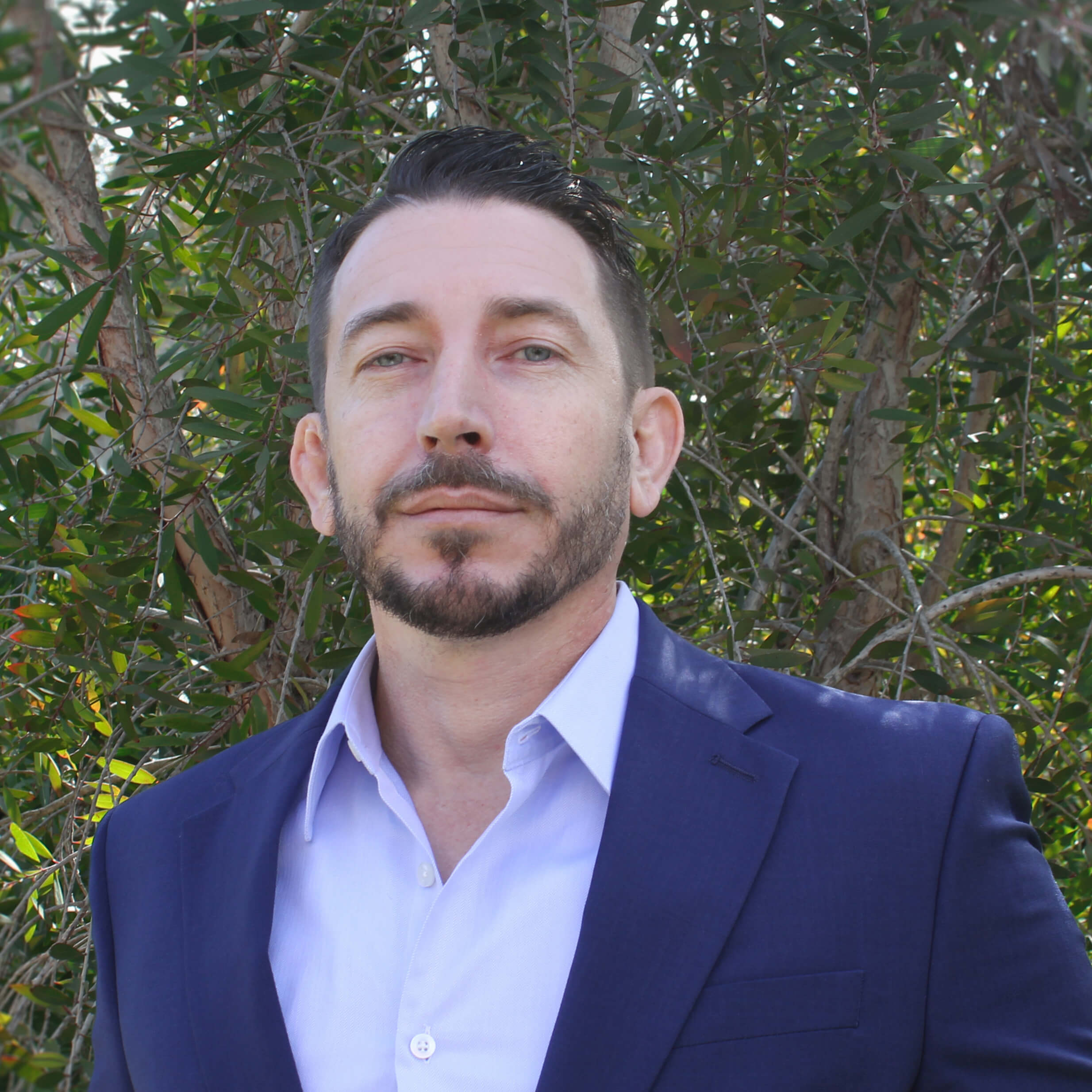
Cole Dyar is the Executive Director & co-founder of Neurish Wellness. He has been working in the behavioral health field in operational, clinical, organizational, and managerial capacities for thirteen years. He holds a degree from the University of California, Santa Cruz in sociology and is a Licensed Advanced Alcohol and Drug Counselor (LAADC) as recognized by CCAPP. Cole holds a Master of Science in Industrial/Organizational Psychology including: Organizational Leadership and Design, a Post-Masters in General Marriage and Family Therapy, and is currently a doctoral candidate in MFT with an emphasis in Systemic Administration & Entrepreneurship.