
The painful paradox of trauma is that it doesn’t just end when the event is over. For those with PTSD or complex PTSD, the mind and body can be forced to relive that suffering again and again. The reality is that trauma leaves deep wounds that require specialized care, particularly when symptoms significantly impact your daily functioning and relationships. For those living with PTSD (post-traumatic stress disorder) or complex PTSD (C-PTSD), residential treatment for trauma provides the focused, comprehensive support needed to process traumatic experiences safely while building the skills necessary for lasting recovery and healing.
Understanding PTSD and Complex PTSD
PTSD develops following exposure to traumatic events and involves symptoms like intrusive memories, avoidance behaviors, negative mood changes, and hypervigilance.
Alternatively, complex PTSD occurs from prolonged, repeated trauma and includes additional symptoms like emotional dysregulation, negative self-concept, and interpersonal difficulties that require a specialized approach when treating trauma disorders of this type.
When Residential Treatment for Trauma Becomes Necessary
Residential treatment for trauma becomes essential when trauma symptoms severely disrupt your ability to work, maintain relationships, or function safely in daily life. Residential care might also be an ideal option if you’re experiencing frequent flashbacks, dissociation, self-harm behaviors, or an inability to leave your home due to trauma responses. Ultimately, inpatient treatment delivers the structure, security, and healing support needed to successfully manage PTSD symptoms and restore balance.
Specialized Approaches for Residential Treatment for PTSD
Residential treatment for PTSD utilizes evidence-based therapies specifically designed for trauma recovery. These include EMDR (Eye Movement Desensitization and Reprocessing) for processing traumatic memories, cognitive processing therapy for addressing trauma-related thoughts, and dialectical behavior therapy for emotional regulation skills that help manage intense trauma responses.

Creating Safety in Residential Treatment for Trauma
Safety is the foundation of all trauma work, and residential treatment for trauma creates physical and emotional safety through structured environments, trained staff, and crisis intervention protocols. This safety allows you to process traumatic experiences without fear of retraumatization while developing healthy coping mechanisms.
Comprehensive Treatment for Trauma and PTSD
Treatment for trauma and PTSD in residential settings combines multiple therapeutic approaches to address all aspects of trauma recovery. For instance, effective PTSD treatment programs should include individual trauma therapy sessions, group work with other survivors, somatic therapies for body-based trauma responses, and expressive therapies that provide nonverbal processing opportunities.
Addressing Complex PTSD in Residential Settings
Complex PTSD requires longer-term, intensive treatment that residential programs can provide through extended stays and specialized programming. Treatment focuses on developing emotional regulation skills, rebuilding a sense of self, and learning to form healthy relationships while processing the underlying traumatic experiences.
PTSD Residential Treatment Programs for Veterans and Civilians
PTSD residential treatment programs for veterans and civilians provide specialized environments where trauma survivors can focus entirely on healing without daily stressors. These highly personalized programs understand the unique needs of different trauma populations. They offer customized recovery paths that meaningfully address combat trauma, childhood abuse, accidents, and other traumatic experiences.
Preparing for Life After Intensive Trauma Treatment
Undergoing residential treatment for trauma doesn’t stop when you’re discharged from care. Protecting and preserving the progress you’ve made while in inpatient treatment is vital for sustainable wanted outcomes now and into your future. This requires comprehensive discharge planning that includes ongoing trauma therapy, support groups, and skills for managing trauma triggers in daily life. Programs work with you to develop relapse prevention plans and ensure continuity of care with outpatient providers.

Specialized Trauma Treatment Modalities
In addition to evidence-based therapy and other traditional approaches, Neurish Wellness provides treatment for trauma and PTSD that goes beyond symptom management. Our programs introduce mind–body practices and immersive experiences designed to help you break free from the weight of past wounds and begin living with renewed strength and openness:
- Internal Family Systems therapy for addressing trauma-related parts
- Neurofeedback to help regulate nervous system responses
- Yoga and movement therapy for reconnecting with the body safely
- EMDR intensive sessions for accelerated trauma processing
- Sensorimotor psychotherapy for addressing trauma’s physical impacts
How Neurish Wellness Can Help
The caring members at Neurish Wellness understand the agony that PTSD and complex trauma can bring into your daily life. Our team is fully trained in trauma-informed care, and we are deeply committed to walking with you through the pain and guiding you toward the other side of trauma, where healing feels possible and life becomes meaningful again.
Next Steps
If you’re struggling with PTSD or C-PTSD symptoms that significantly impact your daily life, please consider consulting with one of our trauma specialists who can help determine whether intensive residential treatment might support your recovery. Seeking specialized trauma care demonstrates courage and commitment to your healing journey.
FAQs About Intensive Trauma Treatment
How long does intensive residential trauma treatment typically last?
Length of treatment depends on you and your progress. While duration is based on the complexity of trauma and individual needs, treatment generally ranges from 30 to 90 days for PTSD and potentially longer for complex PTSD. Some people benefit from shorter, intensive programs, while others require extended stays to achieve stability and develop the necessary coping skills.
Is residential trauma treatment safe for people with severe PTSD?
Yes, residential facilities are specifically designed to provide safety for trauma survivors, with trained staff experienced in trauma responses, crisis intervention protocols, and environments structured to minimize triggers. The 24/7 support actually provides enhanced safety compared to outpatient treatment during intensive trauma processing.
What makes trauma treatment different from general treatment?
Trauma treatment uses specialized approaches that focus on processing traumatic memories safely, addressing trauma’s effects on the nervous system, and rebuilding a sense of safety and trust. Therapists receive specific training in trauma modalities and understand how trauma affects brain functioning and relationships.
Can family members be involved in intensive trauma treatment?
Yes. Many programs include family therapy components when appropriate and safe, as trauma often affects entire family systems. However, involvement depends on your individual situation, safety considerations, and whether family relationships are supportive or potentially harmful to your recovery process.
Will I be able to function normally after intensive trauma treatment?
Recovery outcomes vary, but many people experience significant improvement in functioning, relationships, and quality of life after intensive trauma treatment. While trauma may always be part of your history, proper treatment can help you develop skills to manage symptoms and live a fulfilling life.
© Neurish Wellness 2024
CONTACT US
Phone: (866) 525 5197
Email: info@neurishwellness.com
Licensed by the State Department of Health Care Services:
License #: MHBT210368 | Expiration Date: 10/13/2025
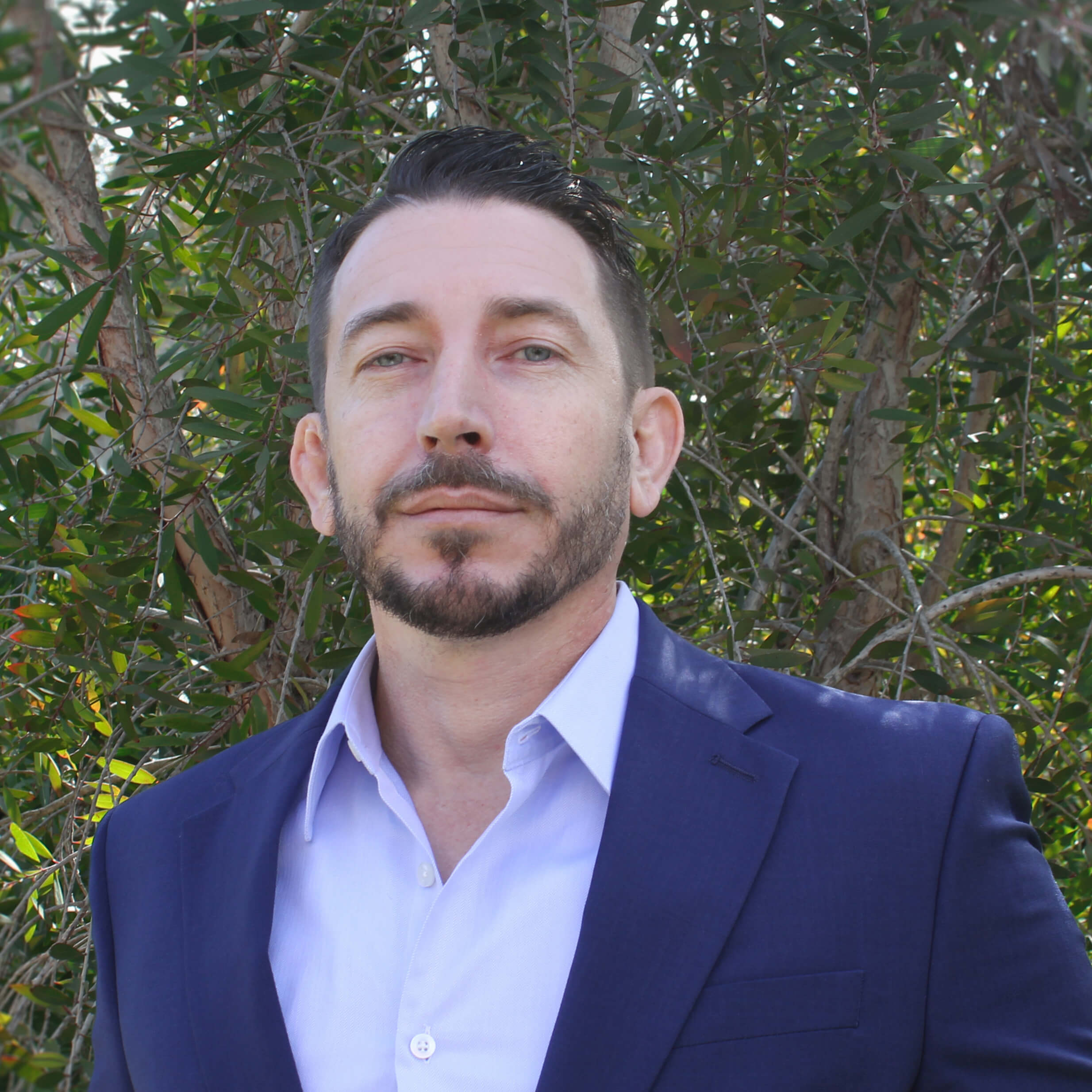
Cole Dyar is the Executive Director & co-founder of Neurish Wellness. He has been working in the behavioral health field in operational, clinical, organizational, and managerial capacities for thirteen years. He holds a degree from the University of California, Santa Cruz in sociology and is a Licensed Advanced Alcohol and Drug Counselor (LAADC) as recognized by CCAPP. Cole holds a Master of Science in Industrial/Organizational Psychology including: Organizational Leadership and Design, a Post-Masters in General Marriage and Family Therapy, and is currently a doctoral candidate in MFT with an emphasis in Systemic Administration & Entrepreneurship.