
In a mental health crisis, clarity is hard to come by. The decision between psychiatric urgent care vs residential treatment often feels like one more impossible hurdle. What’s the right choice for safety now? What option builds the strongest foundation for healing tomorrow? This guide provides the tips and suggestions you need to sort through the details and choose the right treatment that supports your core needs.
Understanding Psychiatric Urgent Care
Psychiatric urgent care provides immediate crisis intervention for mental health emergencies. It is an option if you need prompt attention but don’t necessarily warrant hospitalization. These facilities offer same-day assessments, medication management, safety evaluations, and short-term stabilization for people experiencing acute psychiatric symptoms.
What is Residential Psychiatric Treatment
Residential psychiatric treatment involves comprehensive, round-the-clock care in a structured therapeutic environment for extended periods, typically 30 to 45 days. This level of care is designed for individuals who need intensive support to address complex mental health conditions that haven’t responded adequately to outpatient treatment.
Key Differences in Treatment Duration and Intensity
The biggest distinction between psychiatric urgent care vs residential treatment is in duration and intensity. To illustrate, mental health urgent care focuses on stabilizing immediate crises over hours or days. Conversely, residential programs provide sustained therapeutic work over weeks or months to address underlying mental health conditions comprehensively.
When to Choose Psychiatric Urgent Care
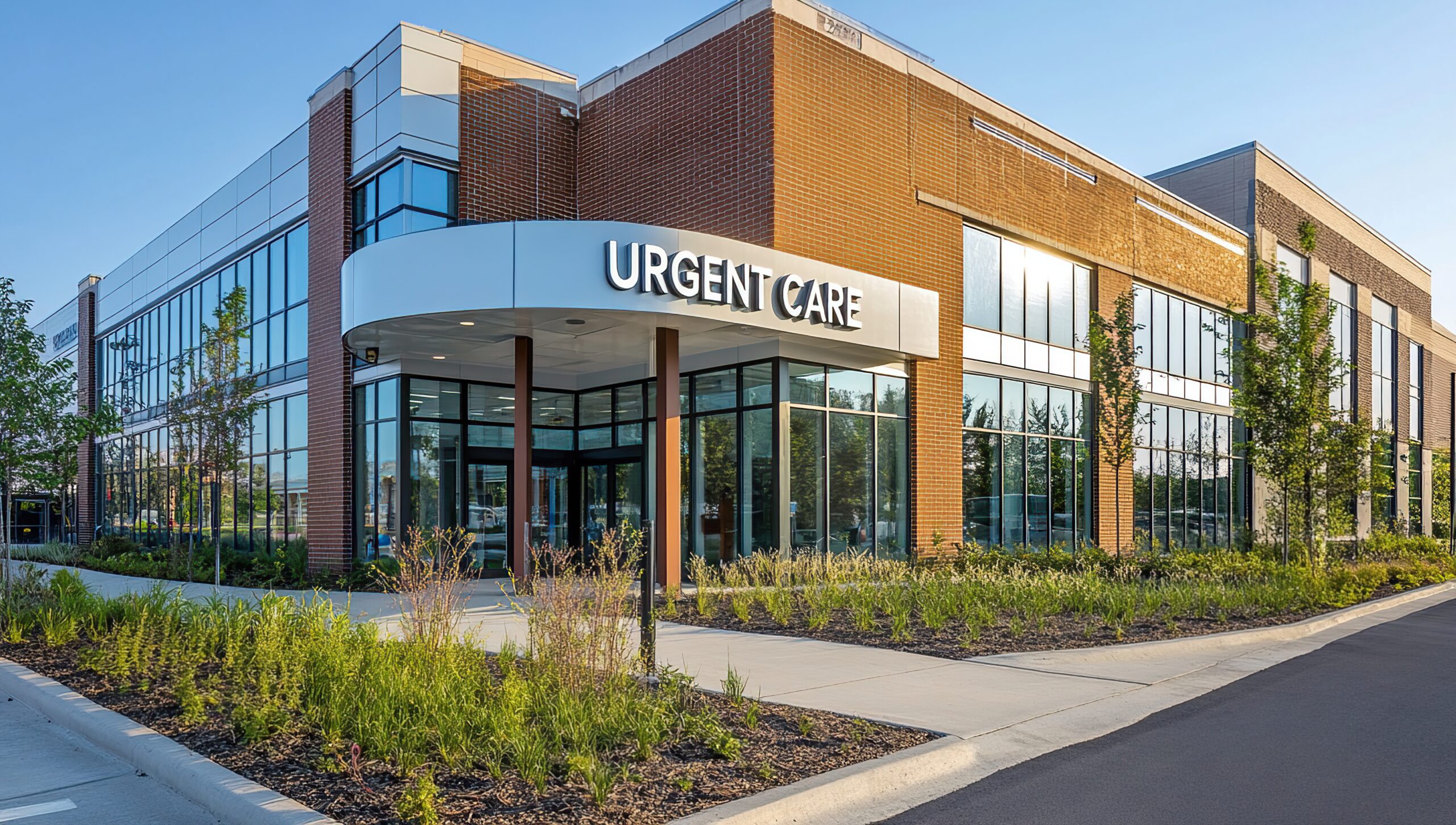
Psychiatric urgent care is the right fit when you’re in crisis and need immediate help, but don’t require hospitalization. Think of it as the place between ER vs urgent care where you can get a rapid psychiatric assessment without the intensity of a hospital stay. Situations might include troubling medication side effects, acute panic attacks, suicidal thoughts without an active plan, or a sudden spike in symptoms that need prompt attention before they worsen.
When Residential Psychiatric Treatment is Necessary
Outpatient care has limits. Residential psychiatric treatment becomes essential when you need consistent, intensive support to move forward, such as:
- Ongoing safety risks or repeated crises
- Outpatient treatments that haven’t worked despite multiple tries
- Symptoms so severe that they interfere with everyday life
- Medications that require close observation and fine-tuning
- Dual-diagnosis concerns, like co-occurring substance use and mental health conditions
- A lack of reliable support at home
These are the kinds of situations that reveal why emergency rooms aren’t enough, because while emergency rooms may manage urgent symptoms, residential care provides the consistent structure needed for meaningful progress.
Treatment Approaches and Services Offered
Psychiatric urgent care typically provides crisis counseling, psychiatric evaluation, medication adjustments, safety planning, and referrals to ongoing care. These services focus on immediate stabilization rather than long-term therapeutic work or skill development.
Comprehensive Care in 30 to 45 Day Programs
Residential programs provide comprehensive therapeutic services, including individual therapy, group counseling, family therapy, medication management, life skills training, and discharge planning. The extended timeframe allows for deeper therapeutic work, medication optimization, and development of coping strategies for long-term recovery.

Making the Right Choice for Your Situation
Consider your current safety level, symptom severity, support system, and previous treatment history when deciding between these options:
- An immediate crisis needing same-day intervention suggests urgent care.
- Chronic instability or treatment-resistant conditions may require residential care.
- Available family support and a safe home environment play a significant role in the decision.
- Insurance coverage and financial considerations may influence available options.
- Your treatment team’s recommendations are based on clinical assessment.
Working with mental health professionals helps ensure that you receive the most appropriate level of care tailored to your specific needs.
How Neurish Wellness Can Help
The compassionate team members at Neurish Wellness fully understand that choosing between psychiatric urgent care vs residential treatment can be confusing during a mental health crisis. That is why we’re here to help assess your needs, provide guidance about appropriate levels of care, and support you through the decision-making process to ensure you receive the right treatment at the right time.
Next Steps
If you’re unsure whether you need urgent psychiatric care or residential treatment, reach out to mental health professionals who can conduct a thorough assessment and help you understand your options. Getting the appropriate level of care can make a significant difference in your recovery outcomes and long-term stability.
FAQs About Psychiatric Urgent Care vs Residential Treatment
How do I know if my situation requires urgent care or residential treatment?
Consider urgent care for immediate crises you can manage at home with support, like medication concerns or acute anxiety. Choose residential treatment if you’re having recurring crises, can’t function safely at home, or haven’t improved with outpatient care. When in doubt, consult urgent care for a professional assessment.
Can I go directly to residential treatment, or do I need urgent care first?
You can often access residential treatment directly through the assessment and admission processes, although some programs may require an urgent care evaluation first. Insurance requirements and program policies vary, so it is best to contact treatment facilities directly to understand their admission processes and specific requirements.
What happens after psychiatric urgent care treatment ends?
Urgent care typically provides discharge planning, including referrals to outpatient therapy, psychiatry appointments, support groups, or higher levels of care as needed. Follow-up is crucial, as urgent care focuses on crisis stabilization rather than long-term treatment; therefore, continuing care is essential for recovery.
How long do residential psychiatric treatment programs actually last?
Most residential programs range from 30 to 90 days, with many lasting 30 to 45 days, as mentioned. Duration depends on your progress, insurance coverage, program structure, and individual treatment needs. Some individuals may require shorter or longer stays depending on their response to treatment.
Will insurance cover both psychiatric urgent care and residential treatment?
Most insurance plans cover medically necessary psychiatric urgent care and residential treatment. However, there are caveats, and you should be aware that coverage details, authorization requirements, and copays vary significantly. For clarification, please contact your insurance provider to understand your specific benefits. Treatment facilities such as Neurish Wellness can also help verify coverage before admission.

© Neurish Wellness 2024
CONTACT US
Phone: (866) 525 5197
Email: info@neurishwellness.com
Licensed by the State Department of Health Care Services:
License #: MHBT210368 | Expiration Date: 10/13/2025

Cole Dyar is the Executive Director & co-founder of Neurish Wellness. He has been working in the behavioral health field in operational, clinical, organizational, and managerial capacities for thirteen years. He holds a degree from the University of California, Santa Cruz in sociology and is a Licensed Advanced Alcohol and Drug Counselor (LAADC) as recognized by CCAPP. Cole holds a Master of Science in Industrial/Organizational Psychology including: Organizational Leadership and Design, a Post-Masters in General Marriage and Family Therapy, and is currently a doctoral candidate in MFT with an emphasis in Systemic Administration & Entrepreneurship.