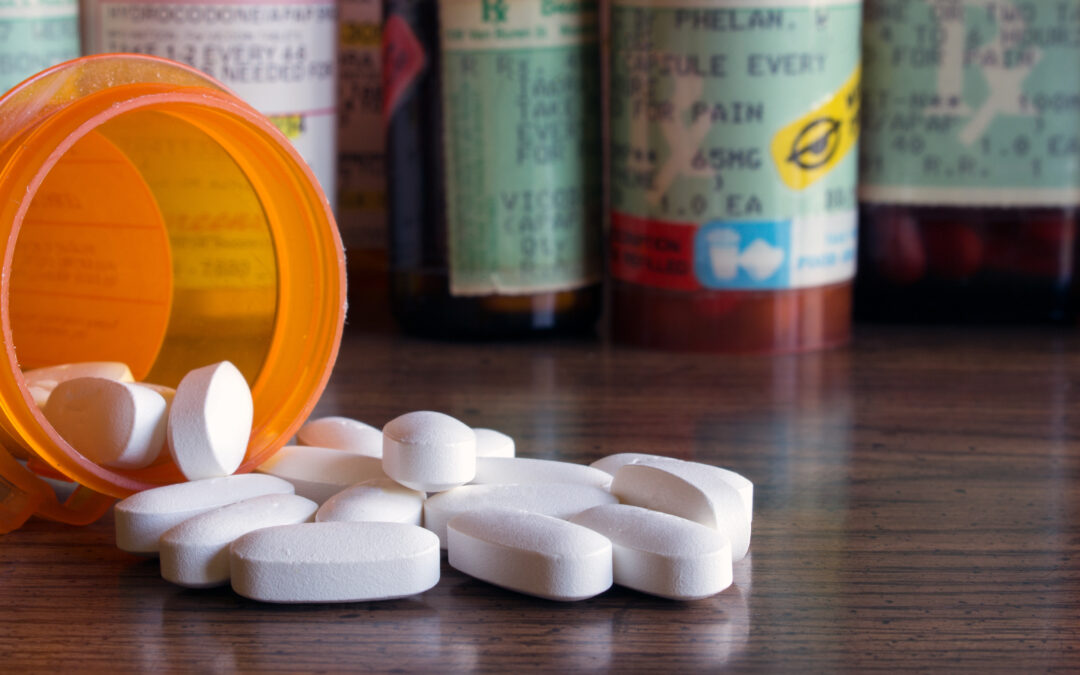
Did you know there are medications that can help minimize the effects of alcohol withdrawal? During a stressful or uncertain time, these medications can be a helpful resource for recovery. Of course, the symptoms that occur when someone stops drinking alcohol can vary widely, and knowing how medications are used may help you better understand risks, limitations, and when additional support may be needed.
What Is Alcohol Withdrawal, and Why Does It Happen?
Alcohol withdrawal happens when the body and brain react to the sudden absence of alcohol after ongoing use. Over time, alcohol suppresses certain brain functions and slows nervous system activity. To compensate, the brain increases the production of stimulating chemicals to maintain balance.
When alcohol use stops, those stimulating chemicals remain active, but the calming effect of alcohol is gone. This imbalance can cause the nervous system to become overstimulated, leading to symptoms such as anxiety, tremors, sleep problems, and confusion.
How Alcohol Withdrawal Can Become Dangerous
Not all withdrawal experiences are the same. Some people develop serious medical complications even if they expect symptoms to be mild based on past experiences.
Risks can include:
- Seizures
- Heart rhythm changes
- Severe confusion
- Delirium tremens
These complications can escalate quickly. Not everyone realizes that alcohol withdrawal is considered a medical issue, not just a temporary discomfort.
Common Medicines Used for Alcohol Withdrawal
Clinicians may use medicine for alcohol withdrawal to calm the nervous system and reduce the risk of serious complications. These medications are used during the acute withdrawal phase, not as long-term solutions.
Common categories include:
- Benzodiazepines to reduce agitation and seizure risk
- Anticonvulsants in certain situations
- Supportive medications for sleep, nausea, or anxiety

Over-the-Counter Medicine for Alcohol Withdrawal: What to Know
Many people search for over-the-counter medicine for alcohol withdrawal, hoping to manage symptoms on their own. While non-prescription products may help ease mild discomfort, such as headaches or temporary nausea, they don’t address the underlying changes in brain and nervous system activity that occur when alcohol use stops.
Because withdrawal affects more than just physical comfort, over-the-counter options are limited in what they can do. Understanding these limitations can help individuals make more informed decisions about when additional medical guidance or support may be helpful.
Is Medicine for Alcohol Withdrawal Addictive?
Medication addiction is a common concern, especially for people already worried about dependence. However, medications used during withdrawal are chosen to reduce risk and stabilize the body, not to create pleasure or reinforcement.
When used short-term and under medical supervision, these medications are carefully monitored and tapered. Problems typically arise only when medications are misused or taken without professional guidance.
Why This Matters for Recovery and How IWe Can Help
While medicine for alcohol withdrawal can help stabilize the body, it doesn’t address the emotional, behavioral, or psychological patterns that influence long-term recovery. At Neurish Wellness, we can help you find supportive services that may include:
- Detox services to manage withdrawal symptoms safely and reduce medical risks during early recovery
- Residential treatment, which provides structured, supportive care that addresses the underlying factors connected to alcohol use
- Medication-assisted treatment (MAT), when appropriate, to support recovery and reduce relapse risk
- Sober living options, which help individuals maintain stability while building independence
This layered approach emphasizes safety, clarity, and long-term stability rather than short-term fixes.
Support Beyond Withdrawal
Seeking information about medicine for alcohol withdrawal is often the first step toward change. While medication can help manage symptoms, recovery typically requires more than symptom control, and support can help turn that first step into lasting progress.
Reach out today for help finding the kind of support that makes your recovery sustainable.
FAQs About Medicine for Alcohol Withdrawal
What is the most common medicine for alcohol withdrawal?
Benzodiazepines are commonly used to calm the nervous system and reduce the risk of seizures during withdrawal.
Can over-the-counter medicine for alcohol withdrawal replace medical care?
No. While over-the-counter products may help with mild discomfort, they can’t prevent serious withdrawal complications.
How long does alcohol withdrawal last?
Symptoms often begin within hours and may last several days, though duration varies based on individual health and drinking history.
Is alcohol withdrawal dangerous without medication?
Yes, in moderate to severe cases, withdrawal without medical support can lead to seizures or other medical emergencies.
Does medicine for alcohol withdrawal cure addiction?
No, these medications help manage withdrawal symptoms but do not treat alcohol use disorder itself. Medication-assisted treatment combines therapy with the use of medication to treat substance use disorders and address addiction.
Should I detox at home or in a medical setting?
This depends on individual risk factors. A medical assessment can help determine the safest option.
What happens if you drink alcohol while on Antabuse?
Drinking alcohol while taking Antabuse can cause a rapid and intense physical reaction, even with small or accidental exposure. This is why Antabuse warnings and precautions must be followed carefully at all times.
© Mental Health House, LLC DBA Neurish Wellness
CONTACT US
Phone: (866) 525 5197
Email: info@neurishwellness.com
Privacy Policy | Blog | Rehab for Professionals
Licensed by the California Department of Social Services:
SRF# 306006594 Masters Circle
Certified by the Department of Healthcare Services:
SRP# MHBT250545 - Masters Circle | Exp: 06/19/2026
© Mental Health House, LLC DBA Neurish Wellness
CONTACT US
Phone: (866) 525 5197
Email: info@neurishwellness.com
Privacy Policy | Blog | Rehab for Professionals
Licensed by the California Department of Social Services:
SRF# 306006594 Masters Circle
Certified by the Department of Healthcare Services:
SRP# MHBT250545 - Masters Circle | Exp: 06/19/2026
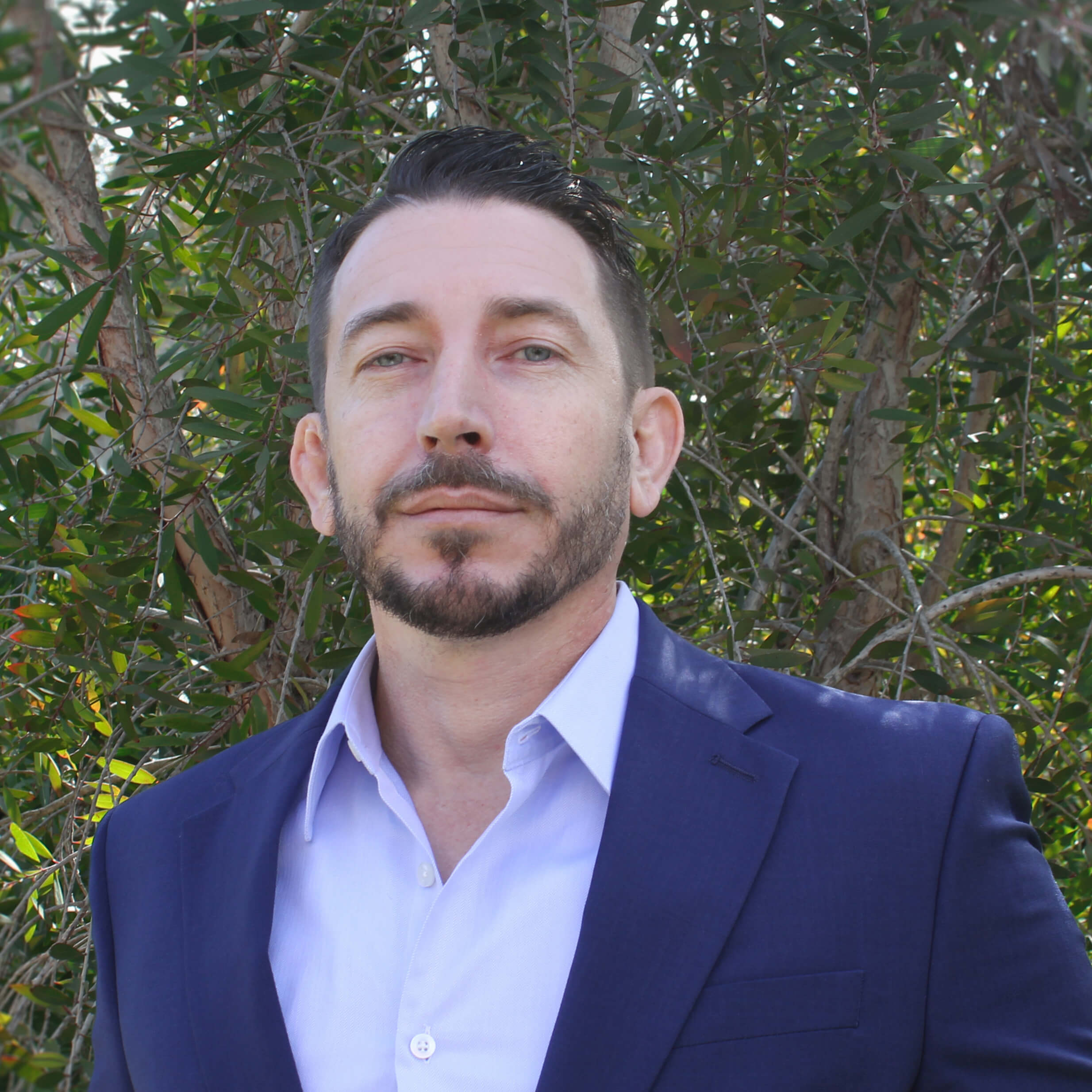
Cole Dyar is the Executive Director & co-founder of Neurish Wellness. He has been working in the behavioral health field in operational, clinical, organizational, and managerial capacities for thirteen years. He holds a degree from the University of California, Santa Cruz in sociology and is a Licensed Advanced Alcohol and Drug Counselor (LAADC) as recognized by CCAPP. Cole holds a Master of Science in Industrial/Organizational Psychology including: Organizational Leadership and Design, a Post-Masters in General Marriage and Family Therapy, and is currently a doctoral candidate in MFT with an emphasis in Systemic Administration & Entrepreneurship.