It can be difficult to make sense of treatment options while navigating fear, uncertainty, or concern for yourself or someone you love. You might find yourself asking questions like, “Is Suboxone addictive?” and “Should I consider medication-assisted treatment?”
Suboxone can play a helpful role in recovery, but it also comes with important considerations. This article explains how Suboxone works, whether or not it’s addictive, what warning signs and side effects to watch for, and why long-term recovery usually involves more than medication alone.
What Suboxone Is and How It Helps with Opioid Use Disorder
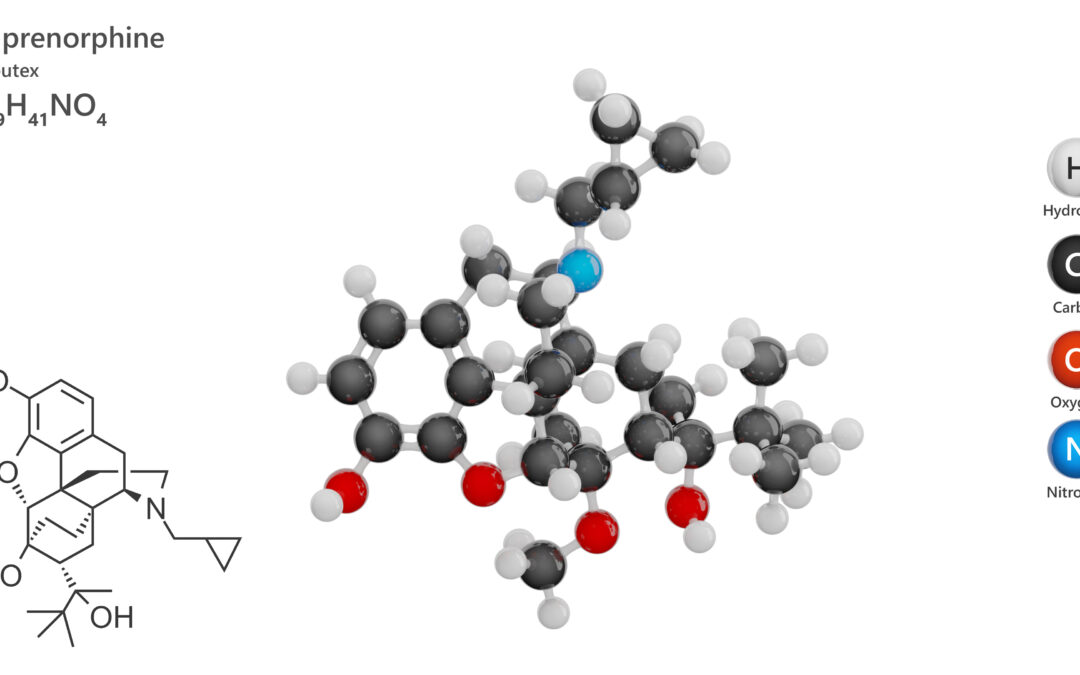
Suboxone is a prescription medication used to treat opioid use disorder. It contains buprenorphine, which partially activates opioid receptors to reduce cravings and withdrawal symptoms, and naloxone, which helps discourage misuse.
In everyday life, Suboxone can help people feel physically stable enough to function, work, and engage in treatment. It does not produce the same euphoric effects as full opioids, which lowers the risk of misuse when taken as prescribed.
Is Suboxone Addictive, or Does It Cause Dependence?
The question “How addictive is Suboxone?” demonstrates both a misunderstanding of what Suboxone is used for and a genuine concern over replacing one addiction with another. While Suboxone can lead to physical dependence, it is used to combat addiction, not fuel it.
Physical dependence means that your body adapts to medication over time. Addiction, however, involves compulsive use, loss of control, and continued use despite harm. Under medical supervision, Suboxone is far less likely to cause addiction compared to drugs like heroin or prescription painkillers. Instead, it helps people recover from opioid addiction by easing cravings and withdrawal symptoms while blocking the effects of other opioids, making relapse less likely.

How Suboxone Use Looks in Recovery
Some individuals use Suboxone temporarily during early recovery, while others remain on it for a longer duration as part of their recovery plan. The appropriate approach depends on one’s medical history, stability, and overall recovery support.
Signs That Suboxone Use May Be Becoming a Problem
Misuse and addiction to Suboxone are uncommon, but they can happen. Recognizing early signs can help someone get support before problems escalate.
Possible physical or cognitive warning signs may include:
- Extreme drowsiness or fatigue
- Difficulty concentrating or mental fog
- Poor coordination or slowed reactions
- Shallow breathing or feeling unusually weak
Behavioral changes can also be important signals, such as withdrawing from responsibilities, using more than prescribed, or continuing use in unsafe situations.
Common Suboxone Side Effects to Be Aware of
Even when taken correctly, Suboxone can cause side effects that vary from person to person. Some are mild and improve over time, while others may require medical adjustment.
Common side effects may include:
- Nausea or digestive discomfort
- Constipation
- Muscle aches or cramps
- Dry mouth or headaches
- Irritability or difficulty focusing
Talking openly with your healthcare provider about side effects helps ensure the medication remains supportive rather than disruptive.

Why Medication Alone Is Rarely Enough for Long-Term Recovery
Suboxone assists with the physical aspects of opioid addiction, but recovery also requires addressing emotional health, habits, stress management, and support systems. Medication alone doesn’t tackle trauma, mental health issues, or behavioral patterns.
Combining medication with therapy, peer support, and structured treatment helps people build coping skills and reduce relapse risk. For many individuals, comprehensive care creates a stronger and more sustainable recovery path.
How We Support Whole-Person Recovery
Understanding the question “How addictive is Suboxone?” matters because expectations shape outcomes. We can help you find a continuum of care rather than medication alone. Depending on individual needs, this may include:
- Detox services to help individuals safely manage withdrawal and stabilize before beginning treatment
- Residential treatment that provides structured, supportive care while addressing the behavioral and emotional aspects of addiction
- Medication-assisted treatment (MAT), when appropriate, is integrated with clinical oversight and therapeutic support
- Sober living options that help individuals transition into daily life with accountability, routine, and continued support
A Supportive Next Step
If the question “Is suboxone addictive?” still runs through your mind, it usually means you want to make an informed decision, not just quiet symptoms as quickly as possible. We can offer confidential guidance for individuals who want help building a recovery plan that goes beyond medication alone.
Reach out today and take the first step toward long-term recovery.
FAQs About Suboxone and Addiction Treatment
Can Suboxone create a new addiction?
Suboxone can lead to physical dependence, but developing a new addiction is uncommon when it’s taken as prescribed and monitored by a medical provider. The risk increases mainly when Suboxone is misused or taken without proper supervision.
How is Suboxone addictive compared to other opioids?
Suboxone is significantly less addictive than heroin or prescription painkillers because it only partially activates opioid receptors.
Can you experience withdrawal from Suboxone?
Yes, stopping Suboxone suddenly can cause withdrawal symptoms, which is why tapering should be guided by a medical professional.
Can Suboxone be misused?
Yes, misuse is possible, particularly without supervision or when taken in higher amounts than prescribed.
Is long-term Suboxone treatment safe?
For many people, long-term use is safe when monitored by a medical provider and paired with recovery support.
Does Suboxone cure addiction?
No, Suboxone helps manage cravings and withdrawal, but recovery usually requires behavioral and emotional support as well.
© Mental Health House, LLC DBA Neurish Wellness
CONTACT US
Phone: (866) 525 5197
Email: info@neurishwellness.com
Privacy Policy | Blog | Rehab for Professionals
Licensed by the California Department of Social Services:
SRF# 306006594 Masters Circle
Certified by the Department of Healthcare Services:
SRP# MHBT250545 - Masters Circle | Exp: 06/19/2026
Cole Dyar is the Executive Director & co-founder of Neurish Wellness. He has been working in the behavioral health field in operational, clinical, organizational, and managerial capacities for thirteen years. He holds a degree from the University of California, Santa Cruz in sociology and is a Licensed Advanced Alcohol and Drug Counselor (LAADC) as recognized by CCAPP. Cole holds a Master of Science in Industrial/Organizational Psychology including: Organizational Leadership and Design, a Post-Masters in General Marriage and Family Therapy, and is currently a doctoral candidate in MFT with an emphasis in Systemic Administration & Entrepreneurship.