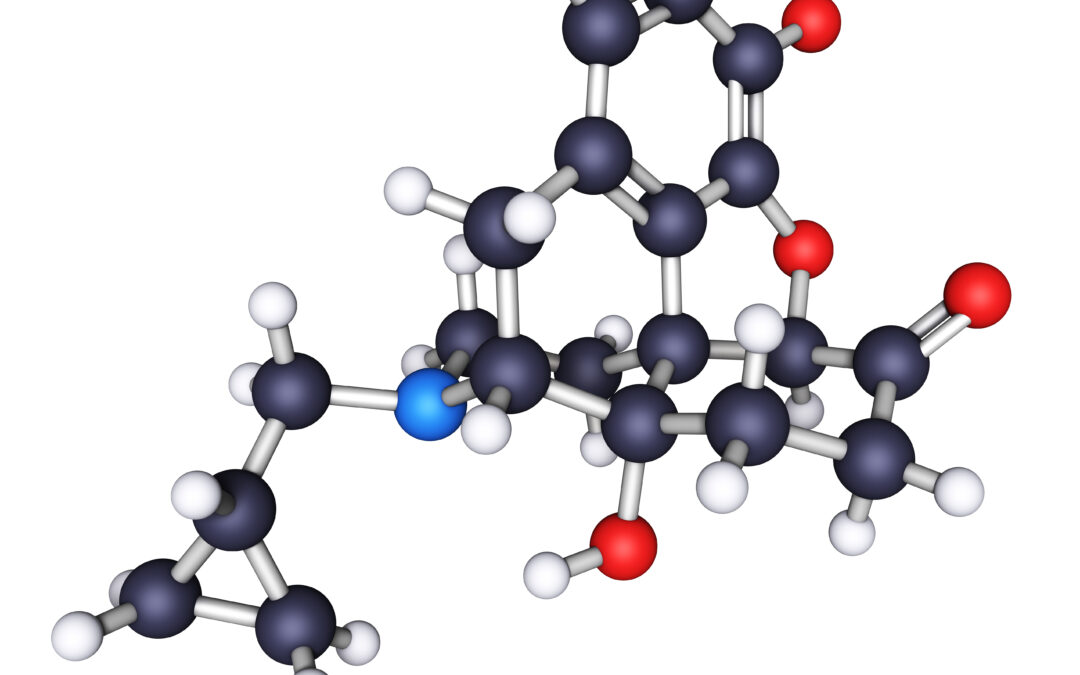
If you’re researching treatment options, it’s natural to ask, “Is naltrexone addictive?” Just like you, many people worry about starting a new medication while trying to move away from substance use. Understanding how naltrexone works can help you make informed and calmer decisions about recovery.
This guide explains naltrexone in clear terms, including safety, side effects, and how it fits into a broader recovery plan.
What Is Naltrexone? How It Helps with Addiction Treatment
Naltrexone is a prescription medication that helps support recovery from alcohol and opioid use disorder. Unlike other medications that replace opioids or have calming effects, naltrexone doesn’t cause a high.
Instead, it works by blocking opioid receptors in the brain. When alcohol or opioids are used, the usual rewarding effects are reduced, which may help lower cravings and decrease the likelihood of relapse over time.
How Naltrexone Works in the Brain
Addictive substances activate the brain’s reward system, reinforcing repeated use through pleasurable effects. Naltrexone works differently by blocking opioid receptors, which reduces how strongly the brain responds to alcohol or opioids.
Because those reward signals are muted, cravings may decrease, and relapse becomes less reinforcing. This explains how naltrexone supports recovery without stimulating the brain’s pleasure pathways.

Is Naltrexone Addictive?
Naltrexone isn’t considered addictive because it doesn’t affect the brain in the way addictive substances do. It doesn’t produce euphoria, alter perception, or reinforce compulsive use, which are key features of addiction.
Additionally, people don’t build tolerance that requires increasing doses, and stopping naltrexone doesn’t cause withdrawal symptoms. It’s clear that taking naltrexone isn’t replacing one addiction with another. Instead, it acts as a recovery support medication that’s effective for many individuals.
Is Low-Dose Naltrexone Addictive?
Another common question is “Is low-dose naltrexone addictive?” Low-dose Naltrexone refers to an off-label use of the drug to potentially treat issues such as autoimmune diseases, cancer, central nervous system disorders, and HIV/AIDS. Like standard doses, low-dose naltrexone isn’t believed to activate reward pathways or cause dependency. (You can read more about this at LowDoseNaltrexone.org.)
Common Naltrexone Side Effects
Naltrexone side effects are sometimes confused with addiction, especially early in treatment. This can create unnecessary concern for people who are already feeling uncertain.
Common side effects may include:
- Nausea
- Headache
- Fatigue
- Temporary sleep changes
These effects are usually short-lived and do not indicate dependency. Addiction involves loss of control and compulsive use despite harm, which naltrexone does not cause.

Who Benefits from Naltrexone?
Naltrexone may be helpful for individuals who want support in reducing or stopping alcohol or opioid use, particularly after detox. It is not appropriate for everyone and must be started at the right time. Your healthcare provider can help you determine whether it’s a good fit for you.
Medication Alone Is Rarely Enough
While naltrexone can support recovery, it doesn’t address emotional health, coping patterns, or the reasons substance use began. Medication works best when combined with other forms of care. Therapy, peer support, and structured treatment help people build skills and stability that medication alone can’t provide. Recovery is most effective when you address the physical, mental, and emotional aspects of addiction.
Recovery Support Options
For many people, questions like “Is naltrexone addictive?” come up when deciding how to approach recovery. At Neurish Wellness, we can help you find a recovery solution through a variety of pathways, including:
- Medical detox to help individuals stabilize safely when needed
- Residential treatment for structured, immersive support
- Medication-assisted treatment that may include naltrexone alongside clinical care
- Therapy and counseling to address emotional and behavioral patterns
- Ongoing support options that help maintain stability over time
A Thoughtful Next Step
If you’re considering naltrexone or wondering whether medication alone is enough, you don’t have to figure it out by yourself. Neurish Wellness can offer confidential guidance to help you understand your options and decide what support makes sense for your situation.
FAQs: Is Naltrexone Addictive?
Can you have withdrawals from naltrexone?
Naltrexone doesn’t cause withdrawal symptoms because it doesn’t create physical dependence. Any medication changes should still be discussed with a healthcare provider.
Is naltrexone hard on the body?
Most people tolerate naltrexone well. Mild side effects can occur early on, but serious issues are uncommon with proper medical monitoring.
How long is it safe to be on naltrexone?
Naltrexone can be used short-term or long-term, depending on individual needs. Length of use should be determined with a medical provider.
Can naltrexone be used without therapy?
It can be prescribed on its own, but outcomes are often stronger when combined with counseling or structured treatment.
Does naltrexone cure addiction?
No, naltrexone can reduce cravings, but long-term recovery still depends on ongoing support and care.
Who should not take naltrexone?
Naltrexone may not be appropriate for people who are currently using opioids, have certain liver conditions, or have not completed detox. A medical evaluation is necessary to determine whether it is safe to use.
© Mental Health House, LLC DBA Neurish Wellness
CONTACT US
Phone: (866) 525 5197
Email: info@neurishwellness.com
Privacy Policy | Blog | Rehab for Professionals
Licensed by the California Department of Social Services:
SRF# 306006594 Masters Circle
Certified by the Department of Healthcare Services:
SRP# MHBT250545 - Masters Circle | Exp: 06/19/2026
Cole Dyar is the Executive Director & co-founder of Neurish Wellness. He has been working in the behavioral health field in operational, clinical, organizational, and managerial capacities for thirteen years. He holds a degree from the University of California, Santa Cruz in sociology and is a Licensed Advanced Alcohol and Drug Counselor (LAADC) as recognized by CCAPP. Cole holds a Master of Science in Industrial/Organizational Psychology including: Organizational Leadership and Design, a Post-Masters in General Marriage and Family Therapy, and is currently a doctoral candidate in MFT with an emphasis in Systemic Administration & Entrepreneurship.