

What if therapy hasn’t worked? Let’s talk about treatment-resistant depression inpatient care.
If you’ve tried therapy, medication, or even multiple treatment programs without seeing real change, you’re not alone. Many people live with mental health conditions that don’t respond to standard approaches — or that need a deeper level of structure and support than outpatient care can provide.
That doesn’t mean nothing will work—it just means the setting matters.
At Neurish Wellness, we focus on inpatient mental health treatment for individuals with complex or treatment-resistant needs. If you’ve been passed from provider to provider, dealt with misdiagnosis, or felt like your experience wasn’t fully understood, you’re not broken — and you’re not out of options. We’re here to help you find a path that actually makes sense for you.
What “Treatment-Resistant” Actually Means
The term “treatment-resistant” doesn’t mean a condition is hopeless. It simply means that a person’s symptoms haven’t improved after at least two evidence-based treatments—usually medications or therapeutic approaches—have been tried appropriately.
Treatment-resistant conditions can include:
- Major depressive disorder (TRD)
- Generalized anxiety disorder
- Bipolar disorder
- PTSD and complex trauma
- Obsessive-compulsive disorder (OCD)
- Schizophrenia spectrum disorders
- Co-occurring mental health and substance use
But the “resistance” is rarely about the client. Often, it’s about being in the wrong treatment setting—or not getting the depth of care required for meaningful change.
Why Standard Care Fails Some Clients
Most mental health care is delivered on an outpatient basis: a 50-minute therapy session once a week, maybe a psychiatrist every few months. For many people, this is enough. But for individuals with complex trauma, multiple diagnoses, or longstanding emotional distress, it’s like putting a bandage on a broken bone.
Here’s why standard care may fall short:
- Too little structure: Sporadic sessions leave too much time between interventions
- Misdiagnosis: Complex conditions may go undetected or untreated
- Fragmented care: Providers rarely coordinate across disciplines
- Overreliance on medication: Without daily therapeutic support, medication alone may not be effective
In short: the care system wasn’t built for complexity. Neurish was.

How Inpatient Structure Changes Outcomes
Inpatient mental health treatment provides a level of consistency, intensity, and containment that outpatient therapy simply can’t.
At Neurish Wellness, our residential program is designed specifically for individuals whose symptoms haven’t improved elsewhere. We provide:
- 24/7 clinical oversight in a safe, home-like environment
- Daily individual and group therapy to dig deeper and build momentum
- Advanced diagnostics and assessments to clarify diagnoses and inform care
- Multidisciplinary teams including psychiatrists, therapists, nurses, and social workers
- Integrated trauma treatment, family therapy, and social skills development
This immersive environment gives clients the opportunity to reset their nervous system, rework entrenched beliefs, and try new coping strategies in real time—supported every step of the way.
What Makes Neurish Capable of Handling Complexity
Not every facility is equipped to support treatment-resistant or high-acuity mental health clients. Neurish is.
Our entire model is designed around clinical excellence and individualized care. We don’t believe in checklists or surface-level solutions. We believe in real transformation—especially for those who’ve been told they’re too complex, too difficult, or too far gone.
What sets Neurish apart:
- Licensed clinicians with specialized training in complex trauma, psychosis, thought disorders, and mood disorders
- Flexible lengths of stay, so healing can happen at your pace
- Crisis stabilization services, providing an immediate safety net when symptoms escalate
- Virtual step-down care, allowing you to continue with us post-discharge from anywhere in California
Most importantly, we take the time to get it right. Our admissions process includes a full clinical assessment, so we understand your history, goals, and needs before recommending a level of care.
If inpatient treatment isn’t the best fit, we’ll refer you to a program that is. That’s what ethical care looks like—and it’s what Neurish stands for.
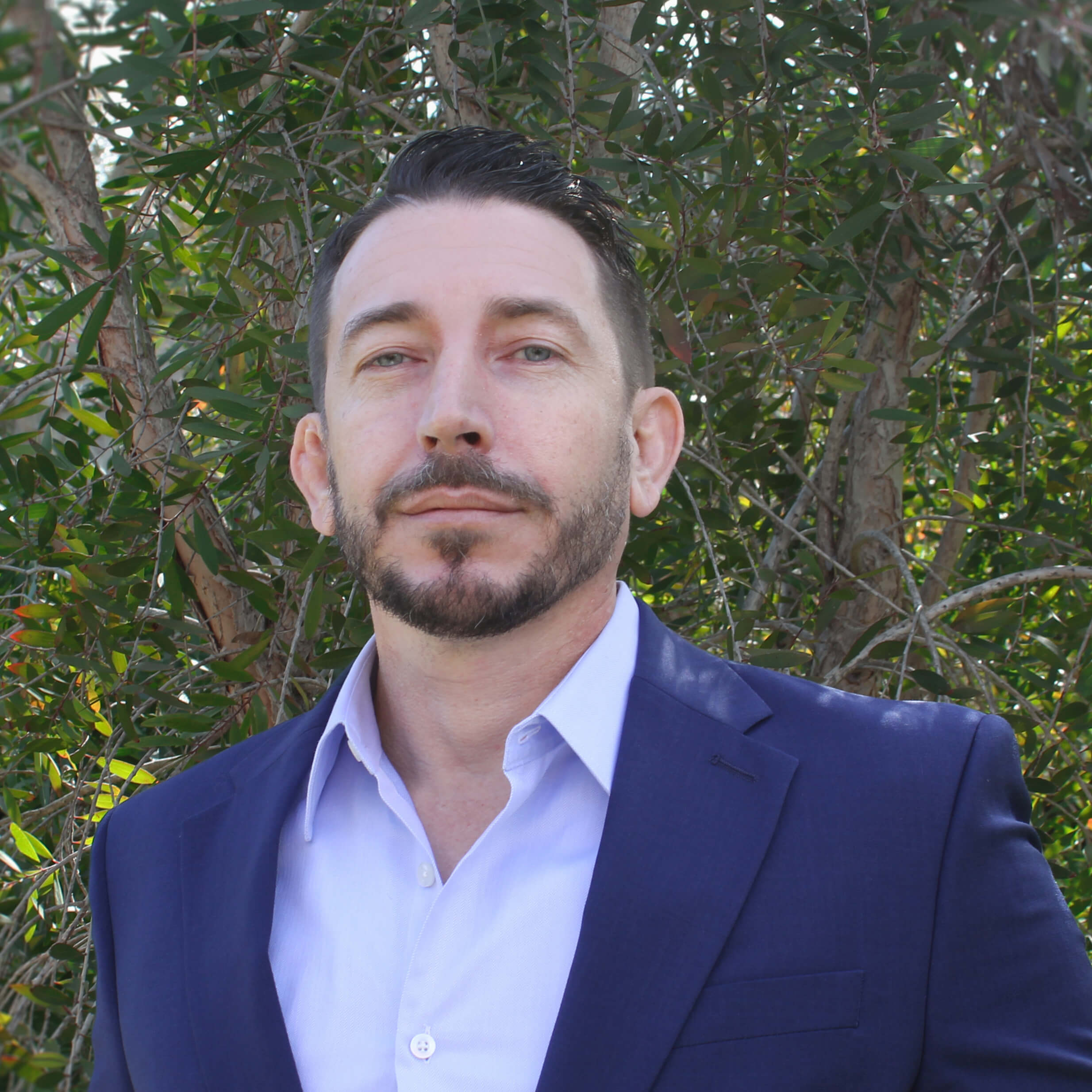
Cole Dyar is the Executive Director & co-founder of Neurish Wellness. He has been working in the behavioral health field in operational, clinical, organizational, and managerial capacities for thirteen years. He holds a degree from the University of California, Santa Cruz in sociology and is a Licensed Advanced Alcohol and Drug Counselor (LAADC) as recognized by CCAPP. Cole holds a Master of Science in Industrial/Organizational Psychology including: Organizational Leadership and Design, a Post-Masters in General Marriage and Family Therapy, and is currently a doctoral candidate in MFT with an emphasis in Systemic Administration & Entrepreneurship.