
When a loved one enters residential mental health treatment, families often feel uncertain, anxious, or helpless. It’s common to wonder:
“How can I support them without overstepping?”
“Can I be part of their care plan?”
“What role do I play in their recovery?”
At Neurish Wellness, we believe families are essential allies in the healing process—but only when involvement is guided, structured, and consent-based. Below, we explain exactly what family involvement in inpatient mental health can look like, why it matters, and when it may be limited.
Why Family Involvement Affects Outcomes and Stability
Mental health does not exist in isolation.
Family systems influence everything from emotional regulation to stress responses and the risk of relapse. Research consistently shows that when families are involved in a healthy and intentional way, individuals are more likely to remain engaged in treatment, develop sustainable coping strategies, transition more smoothly into mental health outpatient treatment, and maintain long-term recovery after discharge.
At Neurish, we incorporate families into the treatment process when appropriate—not only to improve clinical outcomes, but to ensure that healing extends beyond the individual and into the environments where life actually happens.
What Family Involvement Can Look Like in Inpatient Care
Inpatient mental health treatment doesn’t mean cutting families out—it means setting the stage for the right kind of connection. Common forms of family involvement at Neurish include:
- Education sessions: Learn about depression, anxiety, thought disorders, and how to better support your loved one without reinforcing unhealthy patterns.
- Structured phone calls or video check-ins: Guided and scheduled by the care team.
- Family therapy sessions: Led by licensed clinicians to process shared dynamics, clarify communication, and build mutual understanding.
- Treatment planning meetings: Families may be invited to participate in discharge planning or long-term care coordination, with the client’s consent.
Every element is intentional—designed to empower without overwhelming.
Boundaries and Confidentiality
Privacy is not optional in mental health care—it’s a legal and ethical cornerstone. At Neurish, any family involvement is always based on client consent. Before any information is shared, clients must first sign formal releases. Even in cases involving spouses or adult children, updates are never provided without permission. We maintain strong therapeutic boundaries to protect the integrity of the treatment process. While we deeply value the role of family in recovery, our primary responsibility is always to the client’s mental health, safety, and autonomy.

Family Systems and Common Dynamics That Impact Recovery
Sometimes, the same systems that offer love and support also carry unresolved tension. Common issues we address in family-involved care include:
- Stress cycles: Emotional reactivity or conflict escalation patterns
- Enabling vs. supporting: Knowing when help becomes counterproductive
- Caretaking burnout: Spouses, parents, or siblings who feel exhausted or resentful
- Communication breakdowns: Misunderstandings that cause deeper harm
At Neurish, we don’t assign blame. We help families explore these dynamics with compassion and clarity.
How to Support Without Controlling
It’s natural to want to step in and fix things when someone you love is struggling. But inpatient mental health treatment is not about quick solutions—it’s about building lasting change from the inside out.
Families play a vital role, but that role looks different than many expect. The most powerful support often comes from trusting the process, even when it feels slow or uncertain. We instruct families to let their loved one take the lead on when and how to connect. In the meantime, turning inward can be just as important: participating in your own therapy or joining a family support group can help develop insight and tools. Emotional regulation is especially key—staying grounded during stressful moments can help reinforce the stability your loved one is working hard to build. At Neurish, we guide families through this journey, offering tools to show up in ways that strengthen, not sabotage, the healing process.
Discharge Planning and Aftercare Coordination With Family Support
As treatment progresses, the transition out of residential care becomes just as important as the treatment itself. This is where family involvement becomes critical. At Neurish, we often invite families to participate in structured aftercare planning. These sessions might include collaborating with outpatient providers, identifying early warning signs of distress or relapse, and establishing healthy boundaries and expectations for the return home. This continuity between levels of care builds a vital safety net, increasing the likelihood of long-term success and reducing the risk of setbacks.
When Family Involvement Is Limited or Not Recommended
While family involvement is often beneficial, there are times when it’s not clinically appropriate. Some situations—such as ongoing safety concerns, manipulation, or high-conflict relationships—can interfere with a person’s ability to heal. In other cases, the client may be estranged from family and not ready or willing to reconnect. At Neurish, these decisions are never made lightly. Our team evaluates each situation carefully and makes recommendations based on what will best support the client’s long-term stability and recovery. Even when direct involvement isn’t possible, we remain committed to ensuring the client receives compassionate, comprehensive care.
Mental Health Treatment for Families: Final Thoughts
Healing is relational. Whether you’re actively involved or learning to support from a distance, families play a crucial role in shaping recovery. At Neurish Wellness, we’re here to help you understand how—and when—to be part of the process.
If your loved one is struggling with depression, anxiety disorders, thought disorders, or other complex conditions, we invite you to learn more about our approach to residential mental health treatment and how families can be part of the path forward.
© Mental Health House, LLC DBA Neurish Wellness
CONTACT US
Phone: (866) 525 5197
Email: info@neurishwellness.com
Privacy Policy | Blog | Rehab for Professionals
Licensed by the California Department of Social Services:
SRF# 306006594 Masters Circle
Certified by the Department of Healthcare Services:
SRP# MHBT250545 - Masters Circle | Exp: 06/19/2026
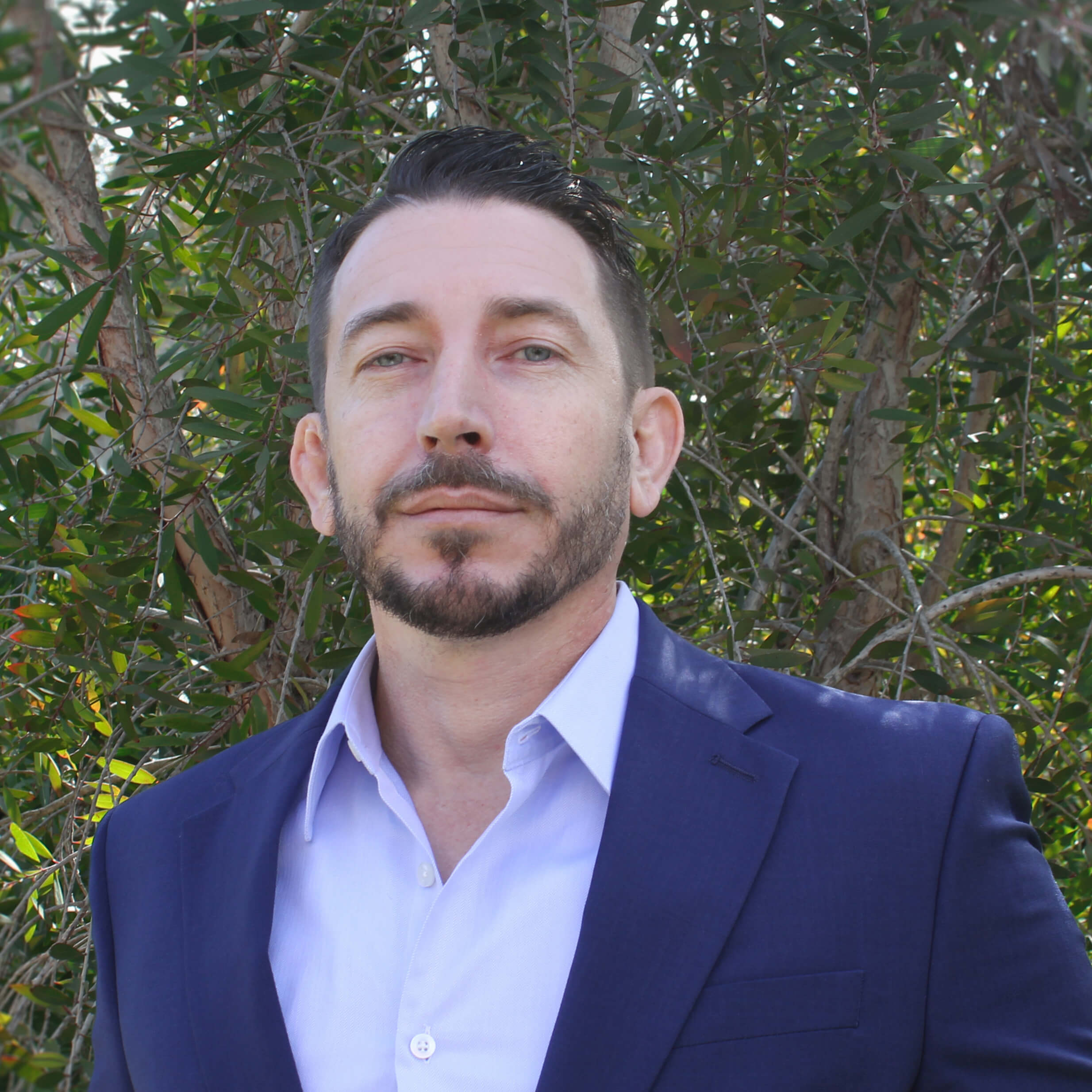
Cole Dyar is the Executive Director & co-founder of Neurish Wellness. He has been working in the behavioral health field in operational, clinical, organizational, and managerial capacities for thirteen years. He holds a degree from the University of California, Santa Cruz in sociology and is a Licensed Advanced Alcohol and Drug Counselor (LAADC) as recognized by CCAPP. Cole holds a Master of Science in Industrial/Organizational Psychology including: Organizational Leadership and Design, a Post-Masters in General Marriage and Family Therapy, and is currently a doctoral candidate in MFT with an emphasis in Systemic Administration & Entrepreneurship.