
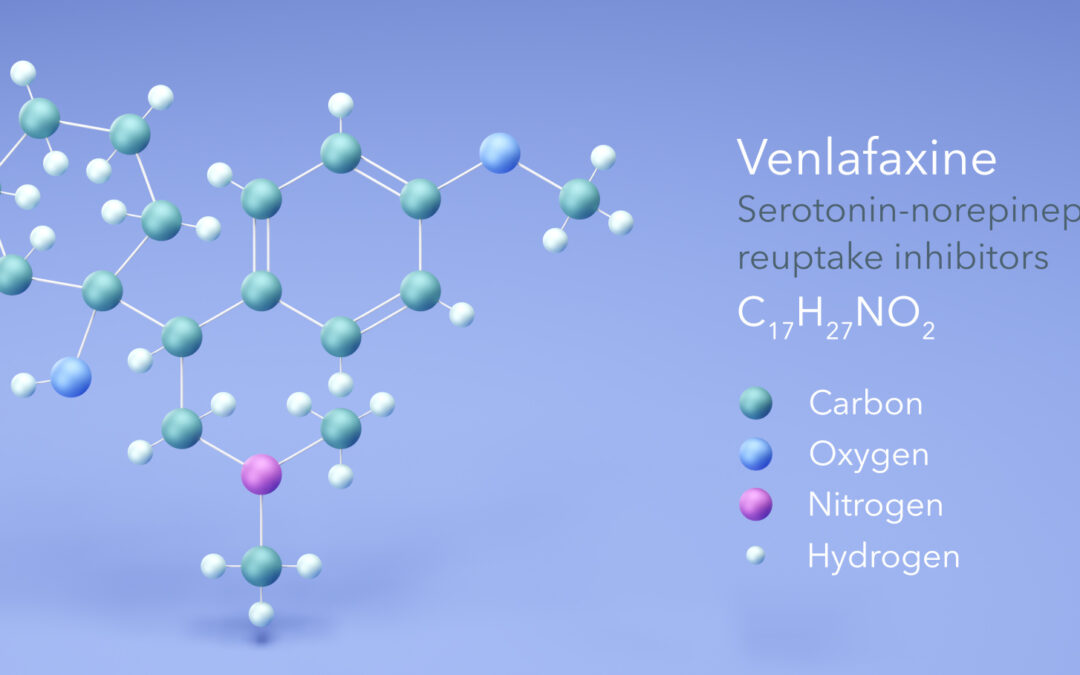
Effexor, also known as venlafaxine, is a commonly prescribed antidepressant that belongs to the serotonin-norepinephrine reuptake inhibitor (SNRI) class. While effective for many, discontinuing Effexor can lead to withdrawal symptoms. This article provides a comprehensive overview of Effexor withdrawal symptoms, so you can know what to expect and how to best manage Effexor withdrawal effects.
What is Effexor (Venlafaxine)?
Effexor is prescribed to treat major depressive disorder, anxiety, and panic disorders. It works by increasing the levels of serotonin and norepinephrine in the brain, which helps to regulate mood and reduce anxiety.
Understanding Effexor (Venlafaxine) Withdrawal Symptoms
Why Withdrawal Happens
Effexor withdrawal occurs because the body has become accustomed to the medication’s effects. When the medication is suddenly reduced or stopped, the brain needs time to adjust to the changes in serotonin and norepinephrine levels. This adjustment period can cause a variety of physical and psychological symptoms.
In other words, the brain’s chemical balance, previously maintained by venlafaxine, is disrupted once the medication is removed. This is why Effexor withdrawal symptoms often feel sudden and intense.
Common Withdrawal Symptoms of Effexor
What is Effexor withdrawal like, and how does it feel? Effexor withdrawal symptoms are often grouped into physical and psychological categories. Symptoms can vary in intensity and duration, depending on dosage, length of treatment, and individual differences.
Physical Symptoms
- Flu-like symptoms, including fatigue, muscle aches, chills, and headaches
- Dizziness and balance issues (sometimes vertigo)
- Sensory disturbances, often described as “brain zaps” or electric shock sensations
- Sleep disturbances, including insomnia and vivid dreams
- Nausea, vomiting, diarrhea, or other gastrointestinal issues
- Lightheadedness and fatigue
Psychological Symptoms
- Anxiety and irritability
- Mood swings or emotional instability
- Depression returning or worsening
- Agitation and restlessness
How Long Do the Withdrawal Symptoms of Effexor (Venlafaxine) Last?
The Effexor withdrawal timeline can vary widely among individuals. Typically, symptoms can start within a few days of stopping the medication and may last for several weeks. In some cases, symptoms can persist for months, particularly if the medication was used for an extended period or at a high dose. Factors such as individual metabolism, dosage, and tapering schedule can influence the length of withdrawal.
Effexor Withdrawal Timeline:
- Acute Phase (first 1–2 weeks): Most intense symptoms, such as brain zaps, dizziness, and nausea.
- Protracted Phase (weeks to months): Lingering mood swings, anxiety, and occasional sensory disturbances.

Can Withdrawal from Effexor Kill You?
While withdrawal symptoms from Effexor can be extremely uncomfortable and distressing, it is rarely life-threatening. However, severe withdrawal symptoms can lead to complications such as dehydration from vomiting and diarrhea, or heightened anxiety and depression, which may increase the risk of self-harm or suicidal thoughts. It is crucial to taper off Effexor under medical supervision to minimize these risks and ensure a safe discontinuation process.
Managing Effexor Withdrawal
Are you wondering how to stop taking Effexor? Here are several strategies to help individuals manage Effexor withdrawal symptoms.
Gradual Tapering
The best way to minimize withdrawal symptoms is through a gradual tapering process. This involves slowly reducing the dose of Effexor under the guidance of a healthcare provider. Tapering allows the brain to adjust to lower levels of the medication gradually.
Stay Hydrated and Maintain a Healthy Diet
Hydration and nutrition can play a significant role in managing withdrawal symptoms. Drinking plenty of water and eating a balanced diet can help to mitigate some physical symptoms.
Regular Exercise
Exercise can help reduce anxiety and improve mood during withdrawal. Activities such as walking, swimming, or yoga can be particularly beneficial.
Seek Support
Having a support system in place is crucial. This can include friends, family, or support groups who understand what you’re going through. Professional counseling and individual therapy services can also provide emotional support and coping strategies.
Medication to Manage Symptoms
In some cases, healthcare providers may prescribe medications to help manage withdrawal symptoms. These can include anti-anxiety medications, sleep aids, or other antidepressants.
When to Seek Medical Help for Effexor (Venlafaxine) Withdrawal Symptoms
While Effexor withdrawal can be managed at home, there are times when medical intervention is necessary. If you experience severe symptoms, such as suicidal thoughts, extreme dizziness, or severe nausea and vomiting, it’s essential to seek medical help immediately. For immediate assistance, if you or a loved one is considering suicide, call 988 or contact the 988 Lifeline online for 24/7 support.
Tips for a Smoother Transition
Plan Ahead
Before you start tapering off Effexor, plan for a period when you have the least amount of stress and responsibilities. This can help you manage symptoms more effectively.
Stay Informed
Educating yourself about what to expect during withdrawal can reduce anxiety and help you feel more in control.
Keep a Journal
Tracking your symptoms can help you and your healthcare provider make necessary adjustments to your tapering plan.

How to Stop Taking Effexor with Neurish Wellness' Help
Effexor withdrawal can be challenging, but with the right strategies and support, it is manageable. Understanding the symptoms and having a plan in place can make the process smoother. Always consult with a healthcare provider before making any changes to your medication regimen to ensure a safe and effective transition.
At Neurish Wellness, we specialize in supporting individuals through the challenges of addiction and withdrawal. Our comprehensive approach includes personalized treatment plans, medical supervision, and holistic therapies designed to ease withdrawal symptoms and promote long-term recovery. Our team of experienced professionals is dedicated to providing compassionate care, ensuring you have the support and resources needed to successfully navigate this difficult time.
If you or a loved one is struggling with addiction or withdrawal, reach out to Neurish Wellness today and take the first step toward a healthier, happier future. Contact us today to start your journey to recovery.
FAQs About Effexor Withdrawal Symptoms
What is the best way to taper off Effexor?
The best way to taper off Effexor is under the guidance of a healthcare provider. A gradual reduction in dosage, tailored to your individual needs, helps minimize withdrawal symptoms and allows your brain to adjust to the changing levels of the medication.
Are there natural remedies that can help with withdrawal symptoms?
Some natural remedies, such as omega-3 fatty acids, magnesium supplements, and herbal teas like chamomile, may help alleviate withdrawal symptoms. However, always consult with a healthcare provider before using any natural remedies to ensure they are safe and appropriate for your situation.
Can Effexor withdrawal cause severe mental health issues?
While Effexor withdrawal can cause significant mood changes, including increased anxiety and depression, severe mental health issues such as suicidal thoughts are less common. It is crucial to have medical supervision during withdrawal to address any severe symptoms promptly.
How does Effexor withdrawal differ from SSRI withdrawal?
As an SNRI (serotonin-norepinephrine reuptake inhibitor), Effexor withdrawal can sometimes be more intense than SSRI (selective serotonin reuptake inhibitor) withdrawal due to its dual action on both serotonin and norepinephrine. This dual mechanism can lead to a broader range of symptoms, including those affecting both mood and physical sensations.
What lifestyle changes can support recovery during Effexor withdrawal?
Incorporating lifestyle changes such as regular physical activity, a balanced diet, mindfulness practices, and adequate sleep can support your recovery during Effexor withdrawal. These changes can help stabilize your mood, reduce stress, and improve overall well-being.
Are there specific foods that can help ease withdrawal symptoms?
Foods rich in omega-3 fatty acids, such as salmon, flaxseeds, and walnuts, may help improve brain health during withdrawal. Additionally, maintaining a diet high in fruits, vegetables, whole grains, and lean proteins can support your body’s overall recovery process.
What role does hydration play in managing withdrawal symptoms?
Staying hydrated is essential during withdrawal, as it can help alleviate symptoms like headaches, dizziness, and fatigue. Drinking plenty of water and avoiding dehydrating substances like caffeine and alcohol can also be beneficial.
How can support groups aid in managing withdrawal symptoms?
Support groups provide a space to share experiences, gain emotional support, and learn coping strategies from others who have gone through similar experiences. Being part of a support group can reduce feelings of isolation and provide practical advice for managing withdrawal symptoms.
Is professional counseling necessary during Effexor withdrawal?
Professional counseling can be highly beneficial during Effexor withdrawal, offering emotional support, coping strategies, and guidance through the process. A therapist can help address any underlying issues and provide tools to manage symptoms effectively.
How do I know if I'm experiencing withdrawal or a return of my original symptoms?
Differentiating between withdrawal symptoms and a return of your original symptoms can be challenging. Withdrawal symptoms typically start soon after reducing or stopping Effexor and gradually improve over time. If symptoms persist or worsen, it may indicate a return of the original condition, and consulting with a healthcare provider is advised.
How to counteract Effexor withdrawal?
To counteract Effexor withdrawal, it’s important to taper the dose gradually under medical supervision rather than stopping abruptly. Supportive measures like hydration, rest, and managing stress can also help ease symptoms.

Cole Dyar is the Executive Director & co-founder of Neurish Wellness. He has been working in the behavioral health field in operational, clinical, organizational, and managerial capacities for thirteen years. He holds a degree from the University of California, Santa Cruz in sociology and is a Licensed Advanced Alcohol and Drug Counselor (LAADC) as recognized by CCAPP. Cole holds a Master of Science in Industrial/Organizational Psychology including: Organizational Leadership and Design, a Post-Masters in General Marriage and Family Therapy, and is currently a doctoral candidate in MFT with an emphasis in Systemic Administration & Entrepreneurship.