
Dual diagnosis treatment is often described as treating addiction and mental health conditions at the same time. While that definition is accurate, it barely scratches the surface of what effective dual diagnosis care is meant to do. At its best, this kind of treatment is not only about stabilizing symptoms or stopping substance use. It’s about preparing someone to live in the real world with healthier coping skills, clearer self-awareness, and a plan for managing challenges long after formal treatment ends.
People entering dual diagnosis programs are often dealing with layered struggles. Anxiety, depression, trauma, eating disorders, or mood disorders may have existed long before substance use became a coping mechanism. Here’s how dual diagnosis programs take a multilayered approach.
Treating the Whole Person With Faith-Integrated Care
One of the most overlooked aspects of effective dual diagnosis treatment is how deeply identity, values, and belief systems influence recovery. Addiction and mental health challenges don’t exist in a vacuum. They affect how someone sees themselves, how they cope with shame or guilt, and how they make meaning out of hardship. For many people, especially those whose faith has been part of their life story, treatment that ignores this dimension can feel incomplete.
Programs like LINKS offer a Christian rehab in California, and approach dual diagnosis treatment with a faith integrated approach. Rather than separating mental health care, addiction treatment, and spiritual life into silos, these programs aim to bring them together. Clinical therapies still form the foundation of care, but they’re paired with opportunities for reflection, accountability, and value-based decision-making that help individuals reconnect with who they are beyond their diagnoses.
This kind of integration is particularly important for people preparing to return to everyday life after treatment. Dual diagnosis recovery isn’t just about managing symptoms. It’s about learning how to respond to stress, temptation, and emotional discomfort in ways that align with deeply held values. Faith-integrated care can provide a framework for this, helping individuals replace self-criticism and hopelessness with purpose and self-compassion.

Medication Management as a Foundation for Stability
For many people in dual diagnosis treatment, medication plays a crucial role in stabilizing mental health symptoms. Depression, anxiety disorders, bipolar disorder, and PTSD can all significantly impact recovery if left untreated or poorly managed. Medication management is not about masking symptoms. It’s about creating enough stability for therapy and skill-building to be effective.
Thoughtful medication management requires regular evaluation, collaboration, and education. Clients are encouraged to understand why medications are prescribed, what effects to expect, and how to communicate changes in symptoms. This knowledge becomes part of long-term preparation rather than something handled only within a clinical setting.
In dual diagnosis treatment, medication management is most effective when it’s integrated into the overall recovery plan. Rather than treating prescriptions as a standalone solution, clinicians help clients see medication as one tool among many.
Learning How to Fully Engage in the Treatment Process
Preparation for recovery is not passive. One of the most overlooked aspects of dual diagnosis treatment is teaching clients how to actively participate in their own healing. Many people arrive in treatment emotionally exhausted, skeptical, or unsure how to engage meaningfully after years of survival-mode living.
It’s important for individuals to shift from compliance to participation. This includes learning how to communicate honestly with clinicians, ask questions, tolerate discomfort, and reflect on feedback without shutting down. These skills don’t just improve the treatment experience. They carry directly into life after rehab. Dual diagnosis programs that prioritize engagement help clients practice showing up consistently, even when motivation fluctuates.
Building Emotional Regulation and Coping Skills
One of the most practical outcomes of dual diagnosis treatment is improved emotional regulation. Many people struggling with addiction and mental health conditions were never taught how to manage intense emotions safely. Substances, disordered eating, or avoidance often filled that gap.
Effective programs focus heavily on helping clients recognize emotional patterns and develop healthier responses. This might involve mindfulness practices, cognitive restructuring, trauma-informed therapy, or nervous system regulation techniques. Over time, clients begin to understand that emotions are not emergencies, even when they feel overwhelming.

Preparing for Relationships, Work, and Daily Responsibilities
Recovery does not happen in isolation. Relationships, employment, and daily responsibilities can all become sources of stress if not addressed during treatment. Dual diagnosis programs that prepare clients for these realities tend to include therapy focused on boundaries, communication, and realistic goal-setting.
Rather than encouraging immediate perfection, clinicians help clients explore what a sustainable return to daily life looks like. This may involve adjusting expectations, practicing assertive communication, or planning for gradual reentry into work or family roles. These conversations help reduce the pressure that often leads to relapse.
© Mental Health House, LLC DBA Neurish Wellness
CONTACT US
Phone: (866) 525 5197
Email: info@neurishwellness.com
Privacy Policy | Blog | Rehab for Professionals
Licensed by the California Department of Social Services:
SRF# 306006594 Masters Circle
Certified by the Department of Healthcare Services:
SRP# MHBT250545 - Masters Circle | Exp: 06/19/2026
© Mental Health House, LLC DBA Neurish Wellness
CONTACT US
Phone: (866) 525 5197
Email: info@neurishwellness.com
Privacy Policy | Blog | Rehab for Professionals
Licensed by the California Department of Social Services:
SRF# 306006594 Masters Circle
Certified by the Department of Healthcare Services:
SRP# MHBT250545 - Masters Circle | Exp: 06/19/2026
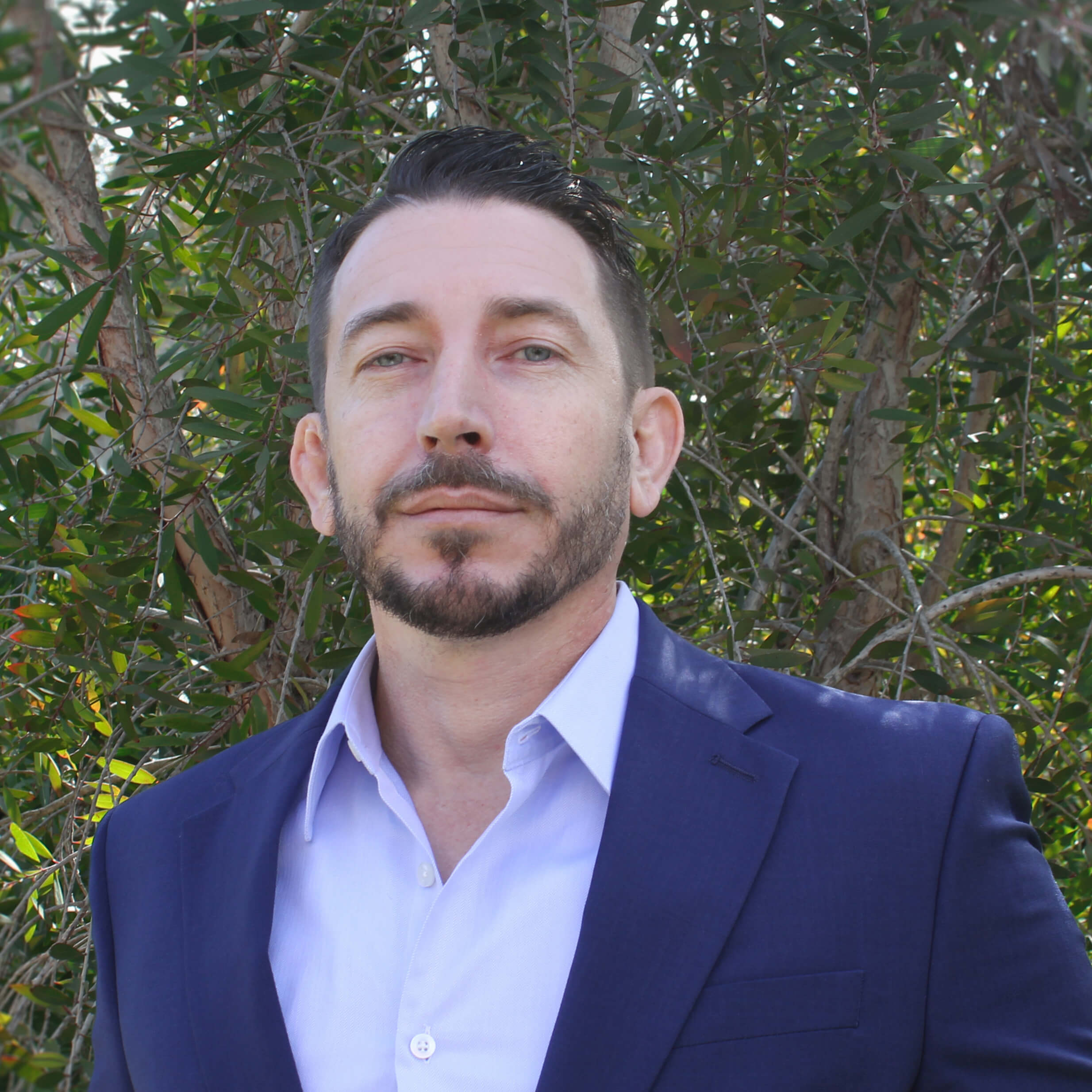
Cole Dyar is the Executive Director & co-founder of Neurish Wellness. He has been working in the behavioral health field in operational, clinical, organizational, and managerial capacities for thirteen years. He holds a degree from the University of California, Santa Cruz in sociology and is a Licensed Advanced Alcohol and Drug Counselor (LAADC) as recognized by CCAPP. Cole holds a Master of Science in Industrial/Organizational Psychology including: Organizational Leadership and Design, a Post-Masters in General Marriage and Family Therapy, and is currently a doctoral candidate in MFT with an emphasis in Systemic Administration & Entrepreneurship.