

Post-traumatic stress disorder and complex PTSD are related conditions with variations, both of which require specialized understanding and treatment approaches. But what’s the difference between complex PTSD vs PTSD? That’s what we’re here to uncover. The caring practitioners at Neurish Wellness believe that the more we understand about these conditions, the more prepared we are to embrace life-affirming solutions. We’re a highly acclaimed group of experts who provide comprehensive trauma care, and we help individuals understand what sets complex PTSD apart from PTSD while offering personalized treatment in our luxury Newport Beach residential facility.
Understanding PTSD and Complex PTSD Fundamentals
While complex PTSD vs PTSD differences may seem subtle, in reality, there are significant traits that set these two conditions apart.
For example, post-traumatic stress disorder typically develops following a single traumatic event. Alternatively, complex PTSD emerges from prolonged, repeated trauma. Both conditions share core symptoms but differ significantly in their presentation and impact.
For instance, PTSD commonly involves flashbacks, nightmares, and avoidance behaviors. It can also manifest hypervigilance following specific traumatic incidents like accidents, natural disasters, or single assault events.
On the other hand, complex PTSD encompasses these symptoms in addition to an individual struggling with emotional regulation, skewed self-conceptualization, and strained interpersonal relationships due to chronic (long-term) trauma exposure.
Key Differences in Complex PTSD vs PTSD Symptoms
The complex PTSD vs PTSD distinctions can be fully understood from PTSD test results, but here is a brief reference as to how these symptoms may present themselves:
PTSD Core Symptoms:
- Re-experiencing through flashbacks and nightmares
- Avoidance of trauma reminders
- Negative changes in thoughts and mood
- Alterations in arousal and reactivity
- Symptoms related to a specific traumatic event
Complex PTSD Symptoms:
Complex PTSD symptoms include the aforementioned challenges in addition to the following:
- Severe emotional dysregulation and mood swings
- Negative self-concept and persistent shame
- Interpersonal difficulties and relationship instability
- Dissociation and detachment from reality
- Loss of personal belief systems and meaning
The additional symptoms that accompany complex PTSD create more pervasive life challenges and may require intensive, specialized treatment approaches that address the broader impact of chronic trauma exposure.
When Residential Treatment Becomes Necessary
When trauma symptoms severely impact daily functioning or safety, or if someone simply cannot move forward due to PTSD or complex post-traumatic stress syndrome, residential treatment can be a welcome relief. That’s where Neurish Wellness’s intensive therapeutic support and 24/7 trauma-informed care in a safe, luxurious environment can make all the difference toward healing, building essential coping skills, and reestablishing life balance.

Specialized Treatment Approaches for PTSD and Complex PTSD
Once the determination is made whether the client is suffering from complex PTSD vs PTSD, our trauma professionals begin to thoughtfully craft a bespoke treatment plan catered to the needs of the client. Plans include treatments integrated with evidence-based therapies specifically designed for either PTSD or complex PTSD recovery, such as:
- Eye Movement Desensitization and Reprocessing (EMDR): Processes traumatic memories and reduces their emotional impact
- Trauma-Focused Cognitive Behavioral Therapy: Addresses trauma-related thoughts and behavioral patterns
- Dialectical Behavior Therapy (DBT): Particularly beneficial for complex PTSD emotional regulation challenges
- Internal Family Systems (IFS): Helps heal fragmented aspects of self from chronic trauma
- Somatic therapies: Address trauma stored in the body through movement and mindfulness
Our luxury Newport Beach facility provides a serene healing environment with private accommodations, peaceful outdoor spaces, and holistic wellness amenities that support trauma recovery while ensuring safety and comfort throughout the therapeutic process.
Developing Trauma Recovery and Coping Skills
Residential treatment provides intensive opportunities to develop essential trauma recovery skills, including emotion regulation techniques, grounding strategies for dissociation, and healthy coping mechanisms for managing triggers. Treatment should also include helping clients learn interpersonal skills, which can speak to relationship challenges common in complex PTSD. Furthermore, establishing daily living skills can help rebuild confidence and independence that trauma often disrupts.
Trauma-Informed Family Support and Healing
Trauma significantly impacts family systems, with loved ones often experiencing secondary trauma or grappling to understand complex trauma presentations. Our treatment includes family therapy sessions and trauma education programs that help relatives understand trauma responses, triggers, and healing processes while learning supportive communication approaches.

Continuing Care After Residential Treatment
Successful recovery requires ongoing support. That is why we take great care in developing a long-term support plan from the very first stage of treatment. We help clients develop solid safety plans addressing potential triggers and coping strategies as our team coordinates with trauma-informed providers to maintain therapeutic progress. The goal here is sustained wellness, which is why we focus on developing the most comprehensive treatment plans for our clients.
How Neurish Wellness Can Help
Neurish Wellness has extensive experience treating both PTSD and complex PTSD in residential settings. We understand the unique challenges each condition presents, and our trauma-specialized team integrates the most cutting-edge treatment strategies (including intensive trauma therapy and medication management when appropriate) in a luxury environment designed for safety and healing throughout your recovery.
Next Steps
While trauma disorders can feel overwhelming, specialized residential treatment with trauma-informed intervention makes healing possible. Always consult with trauma specialists when considering intensive treatment options. Neurish Wellness can provide comprehensive trauma care, ongoing support, and proven strategies to help you process traumatic experiences and reclaim your life.
FAQs About Complex PTSD vs PTSD
What's the main difference between PTSD and complex PTSD?
PTSD typically develops from a single traumatic event and involves flashbacks, avoidance, negative mood changes, and hypervigilance. Alternatively, complex PTSD results from prolonged, repeated trauma and includes additional symptoms like severe emotional dysregulation, negative self-concept, and interpersonal difficulties. Complex PTSD may stem from childhood abuse, captivity, or other situations where escape was impossible, creating more pervasive life impacts requiring specialized treatment approaches.
How long does residential treatment for trauma disorders typically last?
Residential treatment duration varies based on trauma complexity and individual progress, typically ranging from 30 to 90 days for PTSD and potentially longer for complex PTSD due to its comprehensive symptom presentation. Treatment length depends on factors including trauma severity, previous treatment history, co-occurring conditions, and response to trauma-focused therapies. Our team continuously evaluates progress to determine optimal treatment duration for each client’s specific needs.
Do you treat other conditions along with PTSD and complex PTSD?
Yes, our residential treatment addresses co-occurring conditions commonly associated with trauma disorders, including depression, anxiety, substance use disorders, and eating disorders. Trauma may contribute to multiple mental health challenges, and our integrated approach treats all conditions simultaneously for comprehensive recovery. Our multidisciplinary team includes specialists experienced in complex trauma presentations and co-occurring mental health conditions.
What trauma therapies are most effective for complex PTSD?
Complex PTSD may require specialized therapies beyond standard PTSD treatments, including dialectical behavior therapy for emotional regulation, internal family systems for healing fragmented aspects of self, and somatic therapies for trauma stored in the body. We also utilize EMDR, trauma-focused CBT, and mindfulness-based approaches integrated into comprehensive treatment plans. Our therapists receive specialized training in complex trauma modalities to ensure effective, trauma-informed care.
How do you help families understand trauma and its effects?
We understand that the family unit can be integral to achieving sustained balance and maintaining support. That is why we provide comprehensive trauma education, helping families understand how PTSD and complex PTSD develop, their neurobiological impacts. We encourage open dialogue with relatives, explaining that common trauma responses aren’t intentional or character flaws. Furthermore, we provide family therapy sessions that address communication patterns, secondary trauma effects, and review strategies for developing trauma-informed responses that support healing. Our educational workshops teach validation techniques, trigger awareness, and boundary setting while providing ongoing resources for continued family trauma education and support.
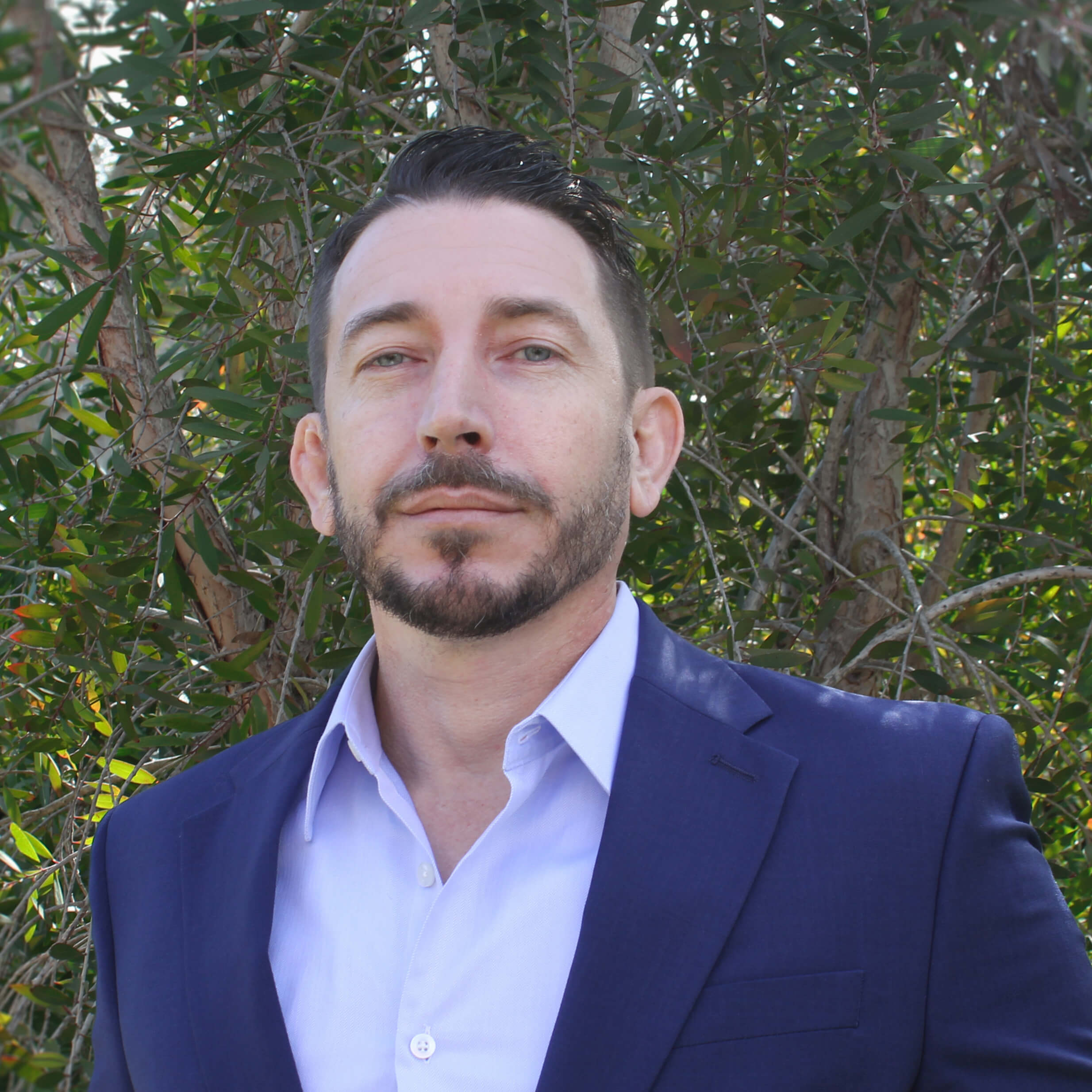
Cole Dyar is the Executive Director & co-founder of Neurish Wellness. He has been working in the behavioral health field in operational, clinical, organizational, and managerial capacities for thirteen years. He holds a degree from the University of California, Santa Cruz in sociology and is a Licensed Advanced Alcohol and Drug Counselor (LAADC) as recognized by CCAPP. Cole holds a Master of Science in Industrial/Organizational Psychology including: Organizational Leadership and Design, a Post-Masters in General Marriage and Family Therapy, and is currently a doctoral candidate in MFT with an emphasis in Systemic Administration & Entrepreneurship.