

When you’re struggling with your mental health and thinking about trying an inpatient center, it’s natural to wonder: What happens in residential mental health treatment?
This isn’t just a logistical question—it’s deeply personal. Behind it is a need for reassurance: Will I feel safe? Will I still have some control? What will life look like while I’m there?
At Neurish Wellness, we understand that choosing inpatient mental health treatment is a big decision. And we believe it helps to know what to expect.
Whether you’re facing anxiety disorders, treatment-resistant depression, or another complex mental health challenge, we’ll walk you through what daily life looks like in our residential program—and how a steady, supportive daily schedule inpatient mental health can help you begin to heal.
Daily Structure and Rhythm
One of the most powerful tools in residential treatment isn’t a medication or a specific therapy modality—it’s consistency.
At Neurish Wellness, clients follow a thoughtfully designed daily schedule that balances therapeutic work with rest, nutrition, and opportunities for reflection. This rhythm helps stabilize sleep, reduce reactivity, and support nervous system regulation.
So, what does a typical day look like in inpatient care? A typical day includes:
- Morning check-ins and movement to set intentions and engage the body
- Group therapy and psychoeducation to foster connection and insight
- Scheduled meals and breaks to restore energy and provide predictability
- Afternoon individual therapy or psychiatrist visits
- Evening wind-down routines, like mindfulness, reading, or creative expression
This kind of stability is especially important for clients with anxiety disorders or depression, where chaotic routines can trigger symptoms or deepen a sense of hopelessness. In a structured setting, healing becomes not just possible, but sustainable.
Therapy, Psychiatry, and Downtime
A central part of daily life at Neurish is access to clinical care multiple times per day. Unlike outpatient therapy, which might involve a single session per week, inpatient mental health care provides more intensive support and oversight.
Throughout the week, clients engage in:
- Individual therapy sessions, tailored to their diagnosis and personal history
- Group therapy, often focused on CBT, DBT, trauma processing, or emotional regulation
- Family therapy, when appropriate, to support systems outside of the facility
- Psychiatric care, including medication assessment, titration, and management
But the day isn’t wall-to-wall clinical work. Downtime is part of the treatment plan—used for journaling, walking, hobbies, and unstructured social connection. Clients may enjoy art supplies, books, or quiet time outdoors depending on their level of readiness.
This balance helps people with high emotional sensitivity or complex trauma ease into therapeutic work without burning out.
Safety, Supervision, and Autonomy
Many people worry they’ll lose all personal freedom in inpatient mental health care. At Neurish, we reject the notion that safety and autonomy are mutually exclusive. Instead, we build an environment where both are possible.
Safety is maintained through:
- 24/7 staff supervision
- Daily check-ins and monitoring
- Risk assessments and clear communication
But autonomy is also supported through:
- Client participation in treatment planning
- Flexible free time and activity options
- Open conversations about personal goals and boundaries
This approach is especially important for individuals who have experienced psychiatric care as disempowering or overly medicalized. Our model centers around dignity, respect, and collaboration—values that are critical for clients working through depression or complex emotional issues.
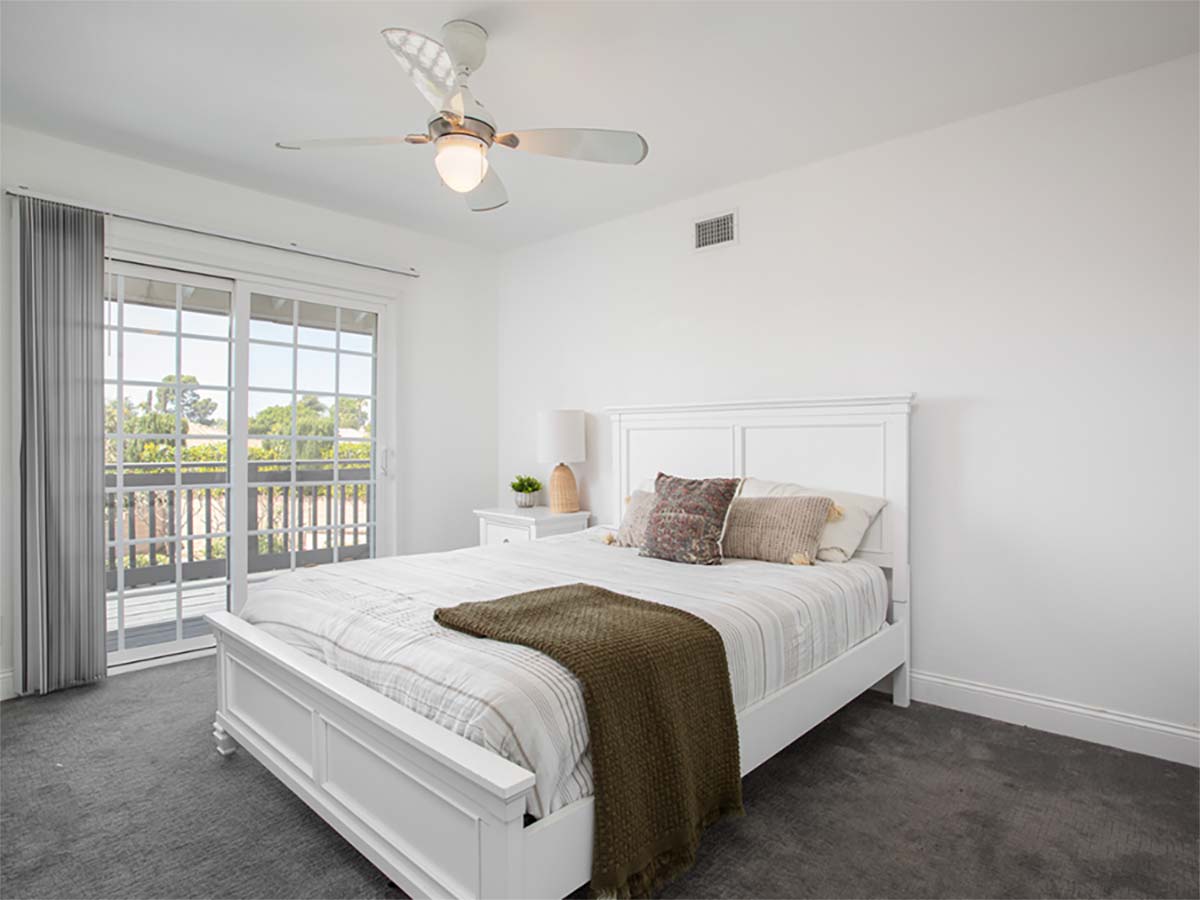
How Structure Supports Healing
So, why does structure matter so much?
For individuals living with anxiety, depression, mood disorders, or past trauma, life often feels unpredictable, chaotic, or emotionally unsafe. Structure creates a container—a safe space in which to explore discomfort, rebuild self-trust, and form new habits.
This is why residential mental health treatment is different from outpatient care. It removes the daily stressors that often derail progress. It provides community, routine, and round-the-clock support.
And at Neurish, that structure is always human-centered. Our goal is not just to help you feel better, but to help you learn how to live better—on your terms, with the right support.
If you’re wondering whether residential mental health treatment is right for you, take a look at our Levels of Care page or schedule a free consultation with a member of our clinical team. From anxiety to depression to complex or treatment-resistant diagnoses, Neurish Wellness offers a calm, supportive space to begin again. Reach out today to get started.
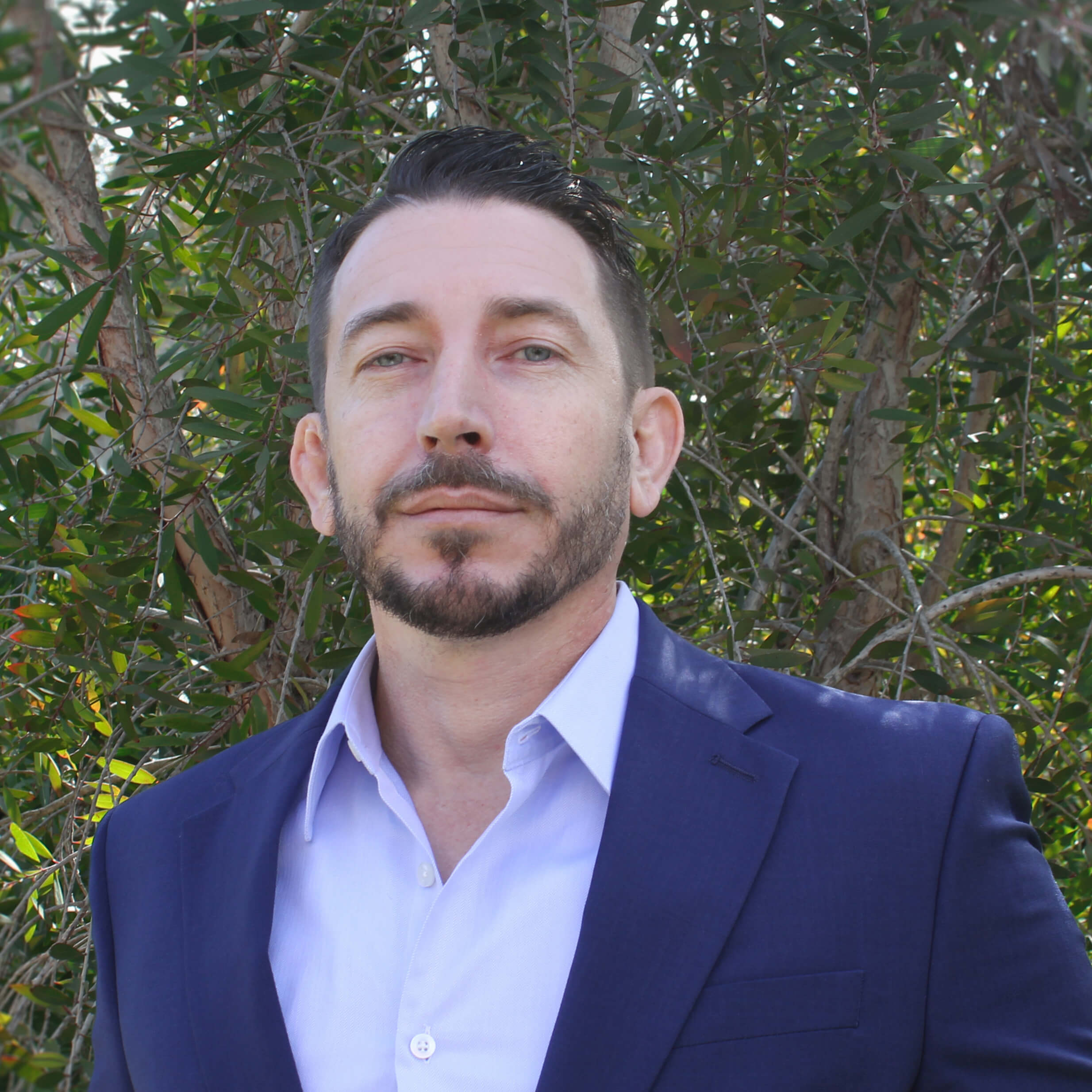
Cole Dyar is the Executive Director & co-founder of Neurish Wellness. He has been working in the behavioral health field in operational, clinical, organizational, and managerial capacities for thirteen years. He holds a degree from the University of California, Santa Cruz in sociology and is a Licensed Advanced Alcohol and Drug Counselor (LAADC) as recognized by CCAPP. Cole holds a Master of Science in Industrial/Organizational Psychology including: Organizational Leadership and Design, a Post-Masters in General Marriage and Family Therapy, and is currently a doctoral candidate in MFT with an emphasis in Systemic Administration & Entrepreneurship.