
Mental health care is in the middle of a quiet shift. While talk therapy and medication remain foundational, clinicians and researchers are paying closer attention to approaches that address deeper patterns, relational dynamics, and lived experience. The most effective models today tend to be less about quick fixes and more about understanding how people adapt to stress, trauma, and connection over time.
What’s interesting is that many of these approaches aren’t brand new. They’re gaining traction now because the research has finally caught up with what clinicians have observed for years. Mental health outcomes improve when treatment is personalized, relational, and grounded in how the brain and nervous system actually work. Below are six research-backed approaches showing strong momentum across clinical, residential, and outpatient settings, and why professionals are paying attention.
Gender-Responsive Drug Recovery and the Rise of Women-Centered Care
Substance use treatment has historically been designed around a one-size-fits-all model, often overlooking how trauma, caregiving roles, hormonal shifts, and relational dynamics uniquely affect women. Research over the last decade has challenged that approach, showing that outcomes improve when treatment environments reflect the specific needs and experiences of female patients.
Modern women’s drug rehab programs increasingly integrate trauma-informed care, emotional safety, and peer connection into recovery models. These programs recognize that relapse risk is often tied to unresolved trauma, relationship stress, or untreated mental health conditions rather than substance use alone. Clinically, this shift matters. Studies indicate that women respond better to treatment when they feel understood, supported, and safe enough to address the underlying emotional drivers of addiction.
Attachment-Informed Therapy and the Impact of Early Relational Trauma
Attachment science has reshaped how clinicians understand anxiety, depression, and relational distress. Attachment-informed therapy focuses on how early caregiving experiences shape the nervous system’s expectations around safety, connection, and threat.
When attachment trauma is left unaddressed, clients may struggle with chronic hypervigilance, emotional shutdown, or difficulty trusting others, even in objectively safe environments. A deeper explanation of attachment trauma and its long-term psychological effects can be found here, which outlines how early relational wounds influence adult mental health and behavior.
The growing adoption of attachment-informed approaches reflects a shift away from symptom suppression and toward relational repair. Clinicians are increasingly trained to recognize attachment patterns and create therapeutic relationships that support nervous system regulation and emotional safety.
The Gottman Method and Evidence-Based Relationship Repair
Relationship distress is one of the most common reasons people seek therapy, and the Gottman Method stands out for its strong research foundation. Developed through decades of observational studies on couples, this approach identifies specific behaviors that predict relationship success or breakdown with remarkable accuracy.
Rather than focusing on abstract communication advice, the Gottman Method teaches practical tools for managing conflict, strengthening emotional connection, and rebuilding trust. Research shows improvements not only in relationship satisfaction but also in individual mental health outcomes, including reduced anxiety and depression.

Schema-Focused Therapy and the Power of Identifying Core Patterns
Schema-focused therapy has gained renewed attention as clinicians look for ways to help clients move beyond surface-level coping skills. At its core, this approach examines deeply ingrained belief systems formed in childhood, often in response to unmet emotional needs or chronic stress.
Schemas shape how people interpret relationships, perceive threats, and regulate emotions. For example, someone with an abandonment schema may intellectually understand that a partner is reliable, yet still experience intense anxiety or self-sabotage in moments of perceived distance. Traditional cognitive therapy can address thoughts, but schema therapy works at the emotional and relational level where these patterns are stored.
Family Systems Therapy and Treating the Relationship, Not Just the Individual
Family Systems Therapy continues to gain traction because it reframes mental health struggles as relational rather than isolated. Instead of viewing symptoms as individual pathology, this model looks at how roles, communication patterns, and emotional dynamics within families influence behavior and wellbeing.
This approach is particularly effective in cases involving adolescents, substance use, and intergenerational trauma. Research shows that when families learn to shift patterns of reactivity, enmeshment, or avoidance, individual symptoms often improve as a result.
What’s driving renewed interest is the growing recognition that emotional regulation is learned in relationships. Family systems work helps clients and families understand how stress travels through systems and how healthier boundaries and communication can reduce that strain over time.

Music Therapy and the Role of Sensory-Based Healing
Music therapy has moved from the margins into mainstream clinical settings as neuroscience continues to confirm its benefits. This approach uses rhythm, melody, and sound to support emotional regulation, memory processing, and trauma recovery.
Research shows that music can engage brain regions associated with emotion and memory in ways that verbal therapy alone cannot. This makes music therapy especially valuable for clients who struggle to articulate experiences or who feel overwhelmed by traditional talk therapy.
Social Skills Training and Rebuilding Confidence Through Practice
Social Skills Training is gaining renewed relevance as clinicians respond to rising social anxiety, neurodiversity awareness, and the long-term social effects of isolation. This approach focuses on teaching and practicing concrete interpersonal skills in a structured, supportive environment.
Research supports its effectiveness for individuals with autism spectrum disorders, social anxiety, schizophrenia, and trauma-related difficulties. Beyond diagnosis, social skills training helps clients rebuild confidence in navigating everyday interactions, which directly impacts quality of life and mental health stability.
© Mental Health House, LLC DBA Neurish Wellness
CONTACT US
Phone: (866) 525 5197
Email: info@neurishwellness.com
Privacy Policy | Blog | Rehab for Professionals
Licensed by the California Department of Social Services:
SRF# 306006594 Masters Circle
Certified by the Department of Healthcare Services:
SRP# MHBT250545 - Masters Circle | Exp: 06/19/2026
© Mental Health House, LLC DBA Neurish Wellness
CONTACT US
Phone: (866) 525 5197
Email: info@neurishwellness.com
Privacy Policy | Blog | Rehab for Professionals
Licensed by the California Department of Social Services:
SRF# 306006594 Masters Circle
Certified by the Department of Healthcare Services:
SRP# MHBT250545 - Masters Circle | Exp: 06/19/2026
© Mental Health House, LLC DBA Neurish Wellness
CONTACT US
Phone: (866) 525 5197
Email: info@neurishwellness.com
Privacy Policy | Blog | Rehab for Professionals
Licensed by the California Department of Social Services:
SRF# 306006594 Masters Circle
Certified by the Department of Healthcare Services:
SRP# MHBT250545 - Masters Circle | Exp: 06/19/2026
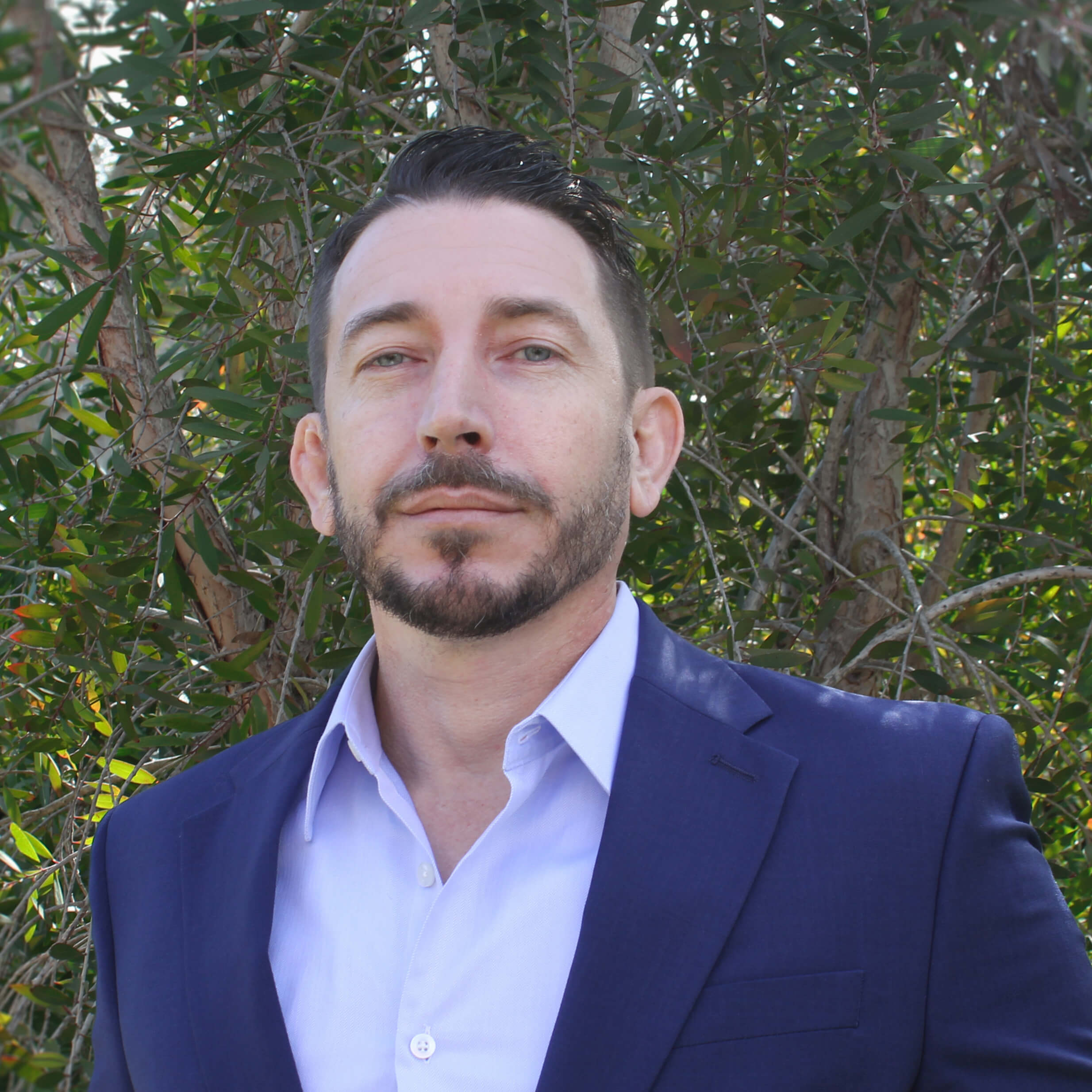
Cole Dyar is the Executive Director & co-founder of Neurish Wellness. He has been working in the behavioral health field in operational, clinical, organizational, and managerial capacities for thirteen years. He holds a degree from the University of California, Santa Cruz in sociology and is a Licensed Advanced Alcohol and Drug Counselor (LAADC) as recognized by CCAPP. Cole holds a Master of Science in Industrial/Organizational Psychology including: Organizational Leadership and Design, a Post-Masters in General Marriage and Family Therapy, and is currently a doctoral candidate in MFT with an emphasis in Systemic Administration & Entrepreneurship.