
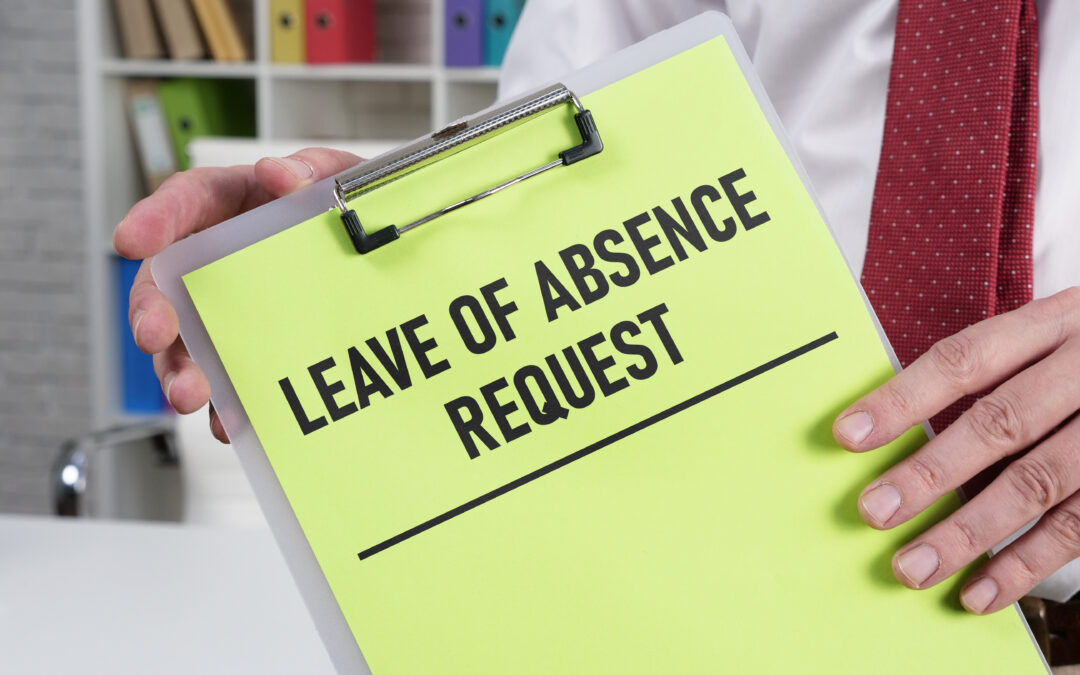
Mental health leave in Massachusetts is recognized as a legitimate and necessary form of medical care, not an exception or a last resort. For adults and professionals navigating high-functioning disorders, depression, burnout, or trauma, the state offers clearer protections and paid options than many others. Understanding how these laws work can help you take time away from work with confidence, dignity, stability, and access to appropriate mental health treatment for Massachusetts residents when needed.
What Mental Health Leave Looks Like In Massachusetts
Mental health leave in Massachusetts allows eligible employees to take time off when emotional or psychological health conditions interfere with daily functioning or job performance. Unlike many states, Massachusetts has a statewide paid family and medical leave program that includes mental health conditions.
This means that Massachusetts mental health leave often involves both job protection and wage replacement, creating more security for people who need time to focus on treatment and recovery.
Do Mental Health Conditions Qualify For Leave In Massachusetts?
In Massachusetts, you may qualify for mental health leave if your condition is serious and supported by a licensed healthcare provider. Your well-being matters, and seeking support is an important step.
Common qualifying conditions may include:
- Anxiety disorders
- Depressive disorders
- Trauma-related conditions
- Panic disorder
- Mood disorders
- Clinically supported burnout
Keep in mind, employers do not receive diagnostic details. They are only informed that a medical condition requires leave, protecting privacy and dignity.
Massachusetts Mental Health Leave Laws
Massachusetts offers some of the strongest protections for mental health leave in the country. State law works alongside federal protections to support employees who need time away from work for mental health reasons.
Massachusetts Medical Leave for Mental Health and Paid Family
Massachusetts Paid Family and Medical Leave is the foundation of paid mental health leave in Massachusetts. PFML provides eligible employees with paid, job-protected leave for serious health conditions, including mental health conditions.
Under PFML, Massachusetts medical leave for mental health may include time for therapy, psychiatric care, medication management, or recovery when symptoms affect the ability to work. Benefits are administered by the state, not directly by employers, and provide partial wage replacement during approved leave.
Earned Sick Time And Employer Benefits In Massachusetts
Massachusetts also requires employers to provide earned sick time, which can be used for mental health care such as therapy appointments, medication management, or short recovery days. Many employees use earned sick time alongside PFML or before applying for longer leave.

How Massachusetts Paid Family And Medical Leave Works Alongside Your Employer
While PFML benefits are administered by the Commonwealth, employees are still required to communicate with their employer about time away from work. Employers may offer private plans that meet or exceed state PFML benefits, but they cannot offer less protection than the law requires.
In practice, a Massachusetts mental health leave of absence often involves both a state application and coordination with the employer. Understanding how these systems work together can reduce confusion and help ensure smoother approval and job protection.
How FMLA Supports Mental Health Leave Of Absence In Massachusetts
The federal Family and Medical Leave Act also applies in Massachusetts and may run concurrently with PFML. FMLA provides up to twelve weeks of unpaid, job-protected leave for serious health conditions, including mental health conditions.
For many employees, FMLA and PFML overlap. While PFML provides income replacement, FMLA strengthens job protection. Together, they form a more comprehensive safety net for mental health leave of absence in Massachusetts.
How Long Mental Health Leave Lasts In Massachusetts
Under PFML, eligible employees may take up to twenty weeks of paid medical leave in a benefit year. FMLA provides up to 12 weeks of job-protected leave that may run concurrently.
Mental health leave in Massachusetts may be taken continuously or intermittently, depending on treatment needs. This flexibility is especially helpful for outpatient therapy, intensive treatment programs, or gradual recovery plans.
How To Talk About Mental Health Leave At Work In Massachusetts?
You do not need to disclose personal details or diagnoses when explaining a mental health leave of absence in Massachusetts. In most cases, it is enough to state that you are taking medical leave for health reasons and provide the required documentation from a healthcare provider.
For shorter absences, such as taking a mental health day off work, earned sick time is often used. Many people simply notify their employer that they are using sick time for health reasons. Privacy and professionalism are protected under both state and federal law.

Steps People Take When Mental Health Leaves In Massachusetts
Confirming PFML Eligibility
Employees often begin by confirming whether they are covered under PFML or an approved private plan.
Talking With A Healthcare Provider
A licensed provider determines whether time away from work is medically necessary and completes the required certification.
Applying Through The State PFML System
Most applications are submitted directly through the Massachusetts PFML program.
Notifying Your Employer
Employees must notify their employer of planned leave, even when benefits are provided by the state.
Protecting Privacy
Only necessary medical information is shared, and diagnoses remain confidential.
Returning To Work After Mental Health Leave
After an approved Massachusetts mental health leave, employees are generally entitled to return to the same or a comparable position. Many people benefit from a gradual return to work, reduced schedules, or transitional accommodations.
Open communication and thoughtful planning can help maintain progress made during treatment while easing the transition back to professional responsibilities.
Using Mental Health Leave As A Step Toward Recovery
Mental health leave in Massachusetts is not just time away from work. It is often a turning point that allows individuals to focus on meaningful healing without constant pressure.
Many adults use this time to begin structured treatment, address underlying stressors, and rebuild emotional resilience. Neurish Wellness approach provides personalized, evidence-based mental health care for professionals seeking privacy, comfort, and long-term support during and after leave.
FAQs About Mental Health Leave In Massachusetts
How do you explain absence due to mental health in Massachusetts?
You can explain an absence by stating that you are taking medical leave for health reasons. You are not required to share a diagnosis or personal details.
What qualifies for medical leave in Massachusetts?
Medical leave may qualify when a mental or physical health condition significantly affects your ability to work and is supported by a licensed healthcare provider.
How long can someone be on mental health leave in Massachusetts?
Eligible employees may take up to 20 weeks of paid medical leave for a qualifying mental health condition under Massachusetts Paid Family and Medical Leave. If the employee is also eligible for the Family and Medical Leave Act, up to 12 weeks of that leave may run concurrently, providing job protection during the overlapping period.
How do you take a mental health day off work in Massachusetts?
Many employees use earned sick time to take a mental health day. Typically, you only need to notify your employer that you are using sick time for health reasons.
Is mental health leave paid in Massachusetts?
Yes. Massachusetts Paid Family and Medical Leave provides partial wage replacement for eligible mental health leave.

Cole Dyar is the Executive Director & co-founder of Neurish Wellness. He has been working in the behavioral health field in operational, clinical, organizational, and managerial capacities for thirteen years. He holds a degree from the University of California, Santa Cruz in sociology and is a Licensed Advanced Alcohol and Drug Counselor (LAADC) as recognized by CCAPP. Cole holds a Master of Science in Industrial/Organizational Psychology including: Organizational Leadership and Design, a Post-Masters in General Marriage and Family Therapy, and is currently a doctoral candidate in MFT with an emphasis in Systemic Administration & Entrepreneurship.